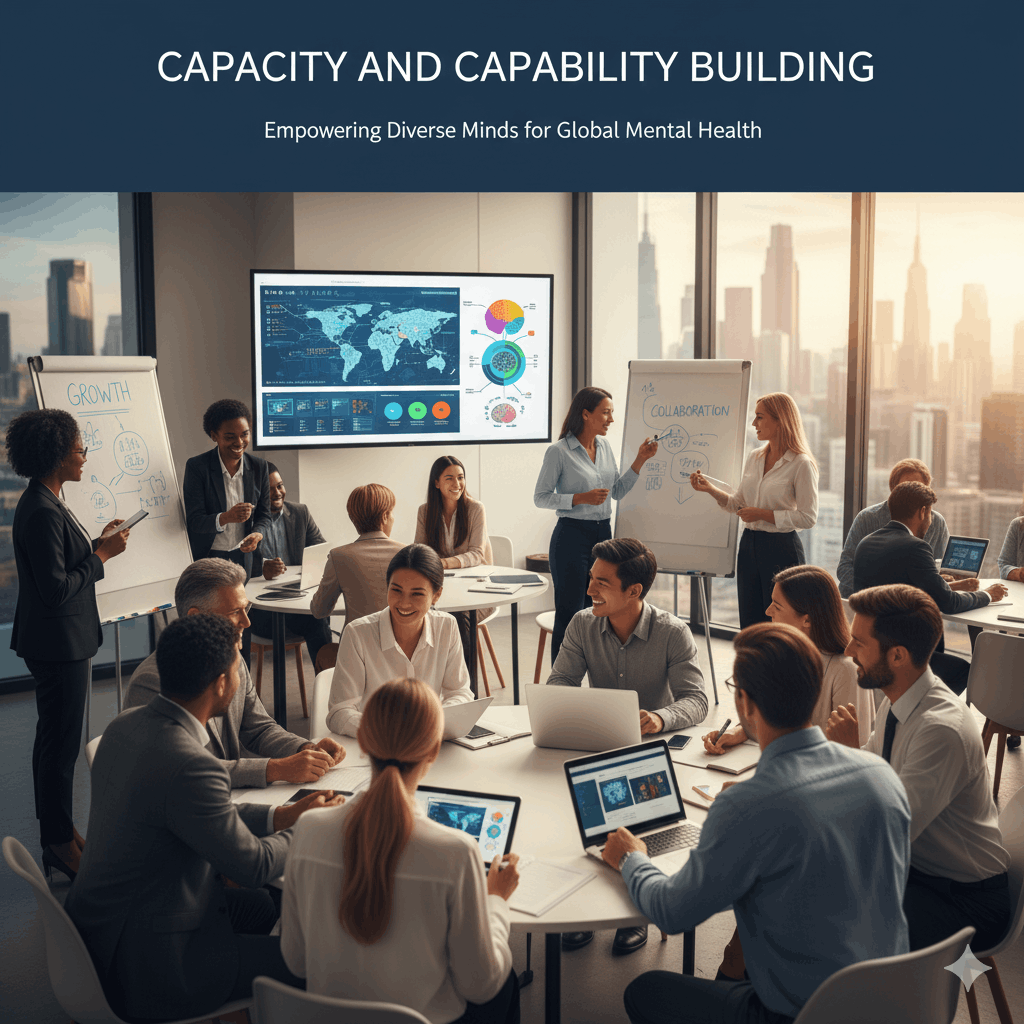
Capacity & Capability Building
“Empowering People, Strengthening Systems, Transforming Global Mental Health”
About Us
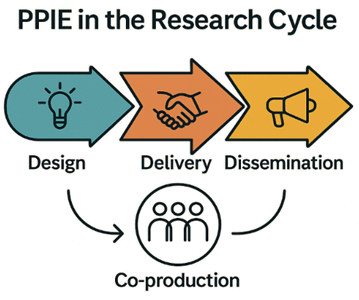
Public and Patient Involvement and Engagement (PPIE) lie at the heart of GMHCP’s global mental health research. We believe that research is most impactful when it reflects the needs, values, and voices of the people it aims to serve. Our PPIE framework integrates individuals with lived experience into every stage of the research process, from design and data collection to dissemination and implementation.
Our approach is guided by principles of inclusion, respect, equity, and transparency, ensuring that every contribution is valued and recognised.
Our Approach
We adopt a participatory, co-production model that embeds PPIE in every stage of our research. It ensures collaboration between researchers and community members, aligning research questions and interventions with lived realities.
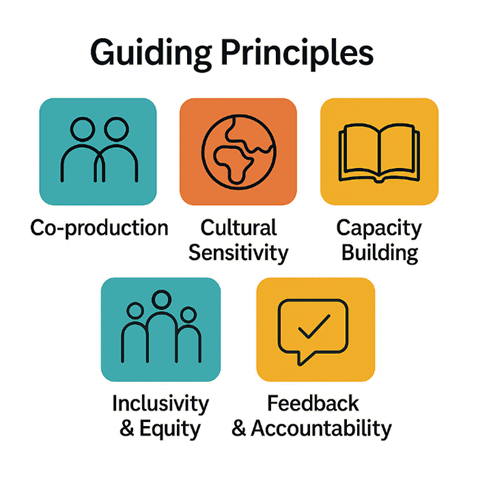
Guiding Principles:
- Co-production: Equal partnerships between people with lived experience and researchers.
- Cultural Sensitivity: Methods and communication that reflect local values and social contexts.
- Capacity Building: Training and mentorship for researchers and community partners.
- Inclusivity and Equity: Amplifying underrepresented voices, including those from LMICs.
- Feedback and Accountability: Maintaining transparent communication with all contributors.
PPIE in Action
Our PPIE work spans multiple countries and projects, adapting to local contexts while upholding shared values of respect and collaboration.
- PILL (Pakistan Institute of Living and Learning): Co-designed studies on maternal mental health, self-harm prevention, and community support.
- NIHR Global Health Collaborations: Service user involvement in research planning and dissemination across South Asia and Africa.
- UK Community Consultations: Engaging ethnic minority and migrant communities in mental health policy and service design.
- Youth Workshops in Bangladesh and Nigeria: Encouraging Youth Participation in Digital Mental Health Research.
- New Projects (2025): Co-development of refugee mental health resources in Jordan.
Training Programmes
- We provide training and resources to help individuals and organisations meaningfully engage in research.
- Workshops on communication, ethics, and community research.
- Mentorship for people with lived experience to take leadership roles.
- Guidance for researchers on embedding PPIE into study protocols and funding applications.
11th Global Capacity & Capability Building Programme:
- Date:June 2025
- Location:Manchester, United Kingdom
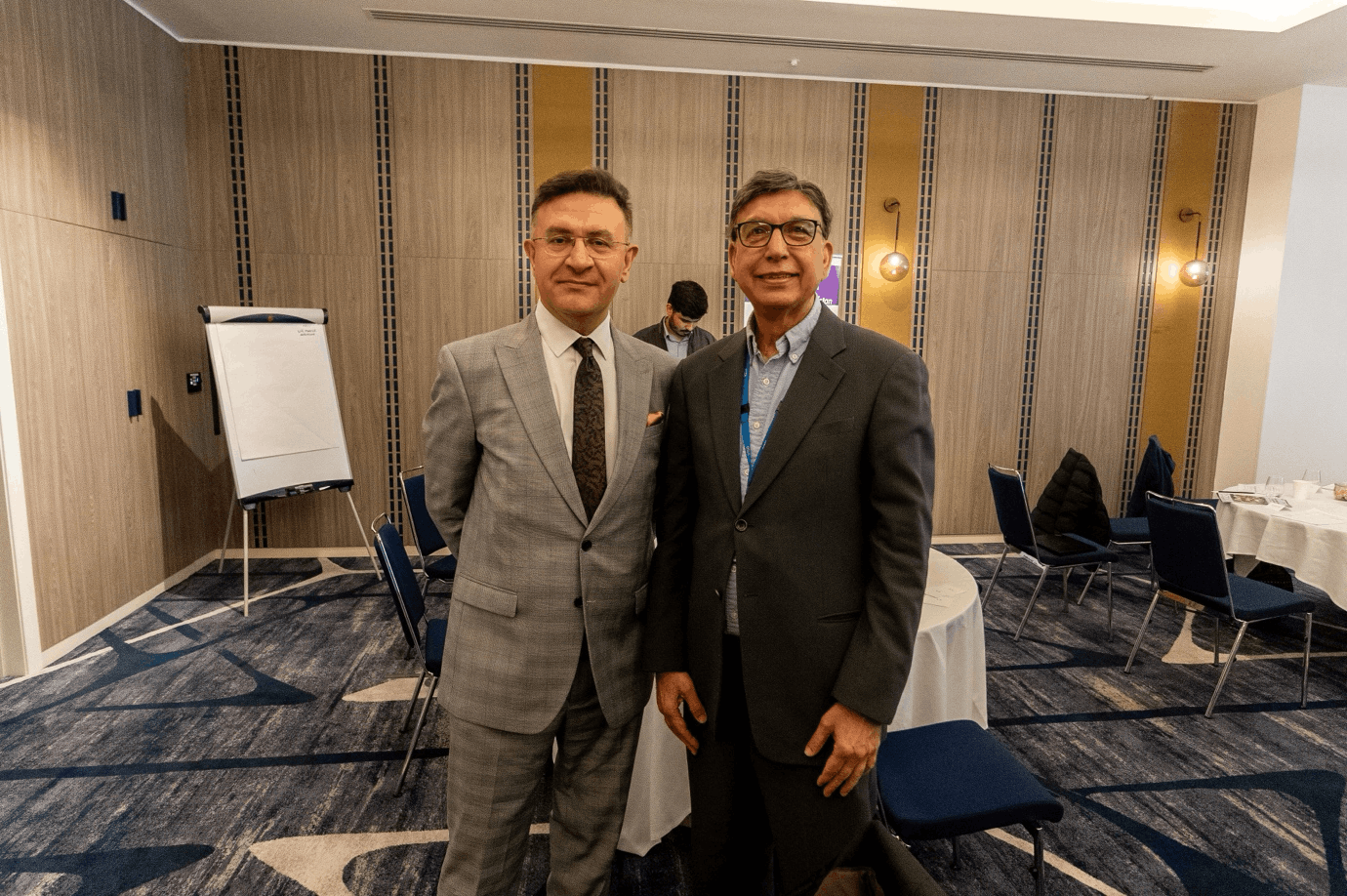
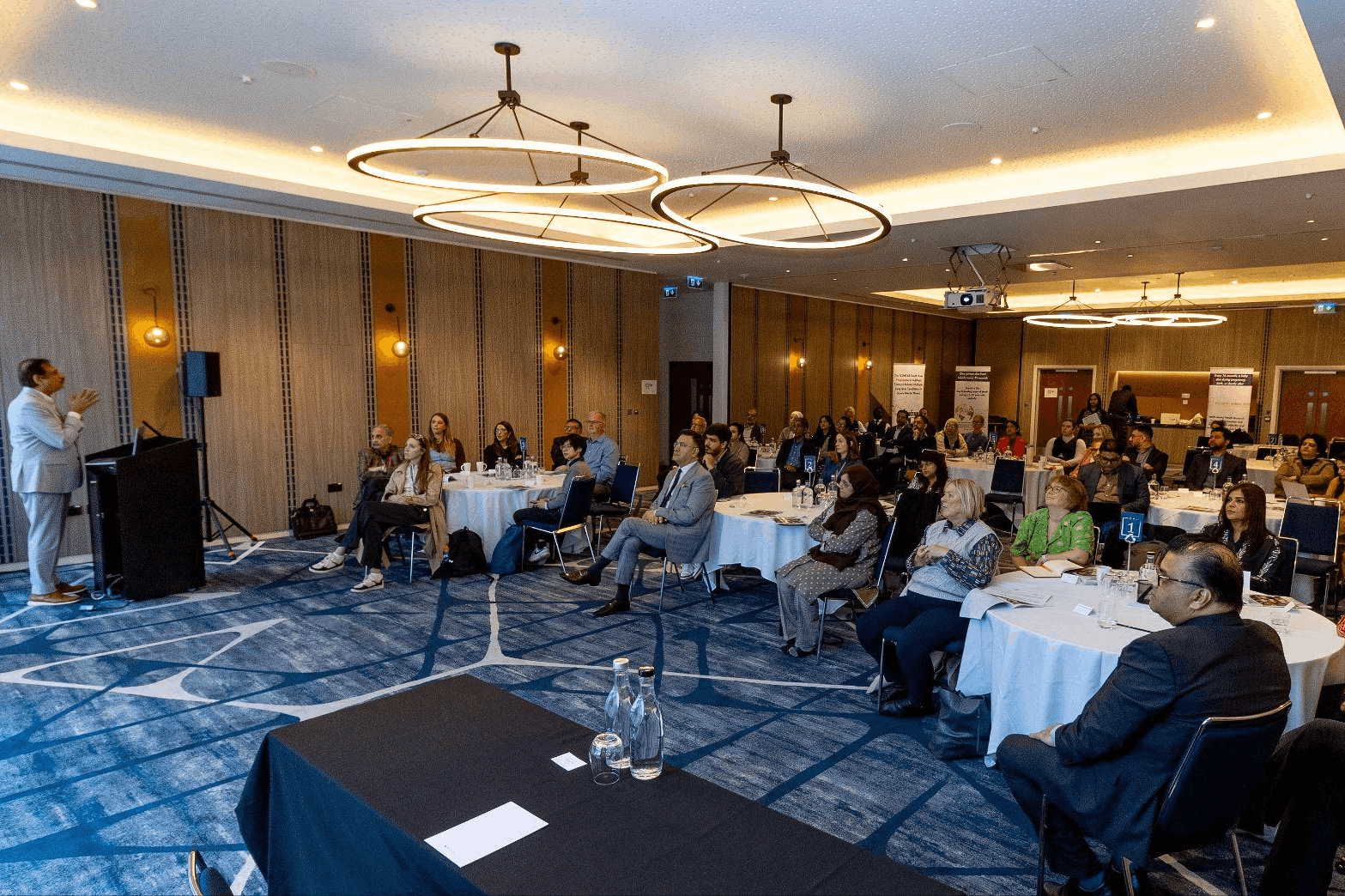
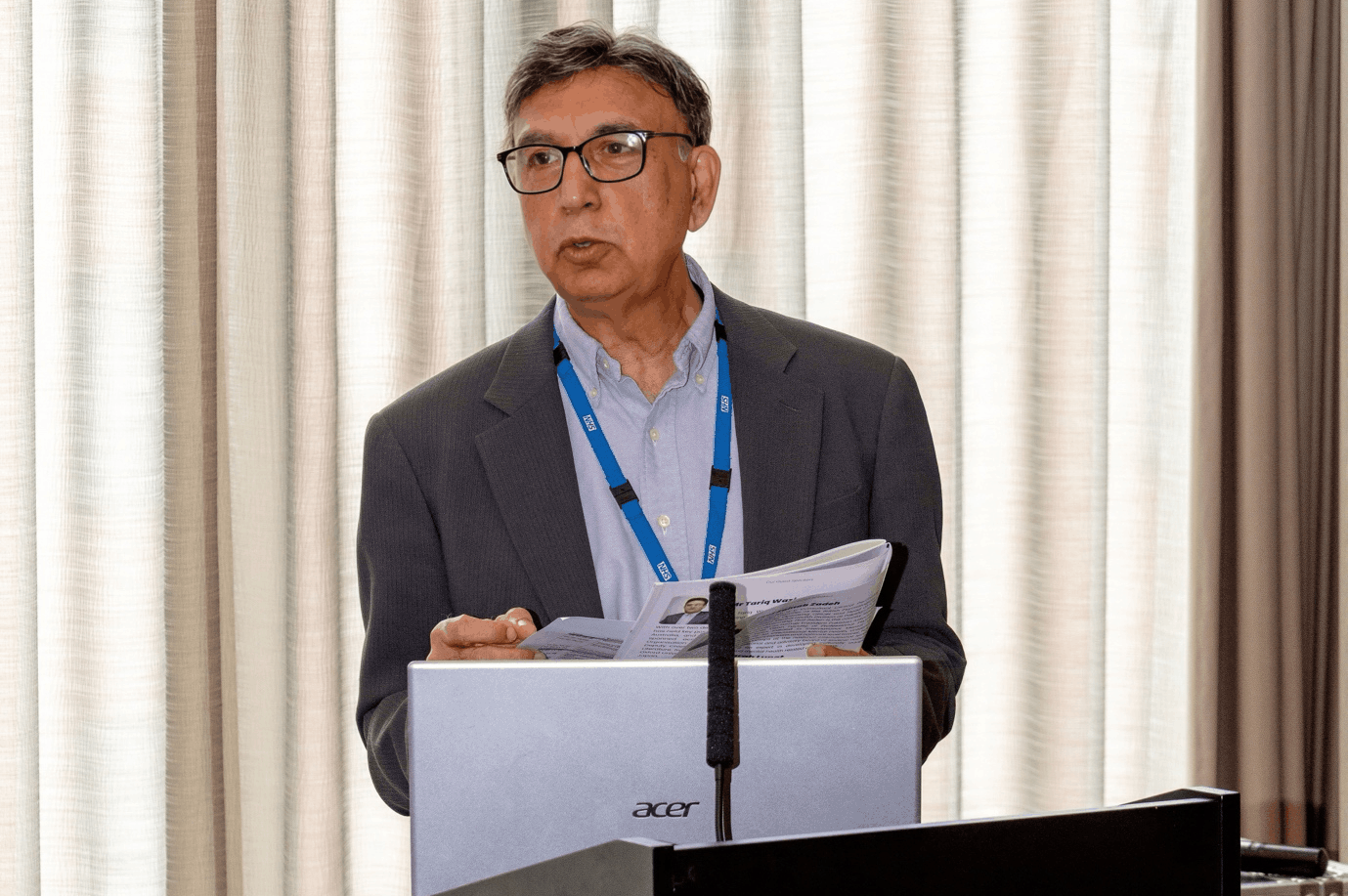
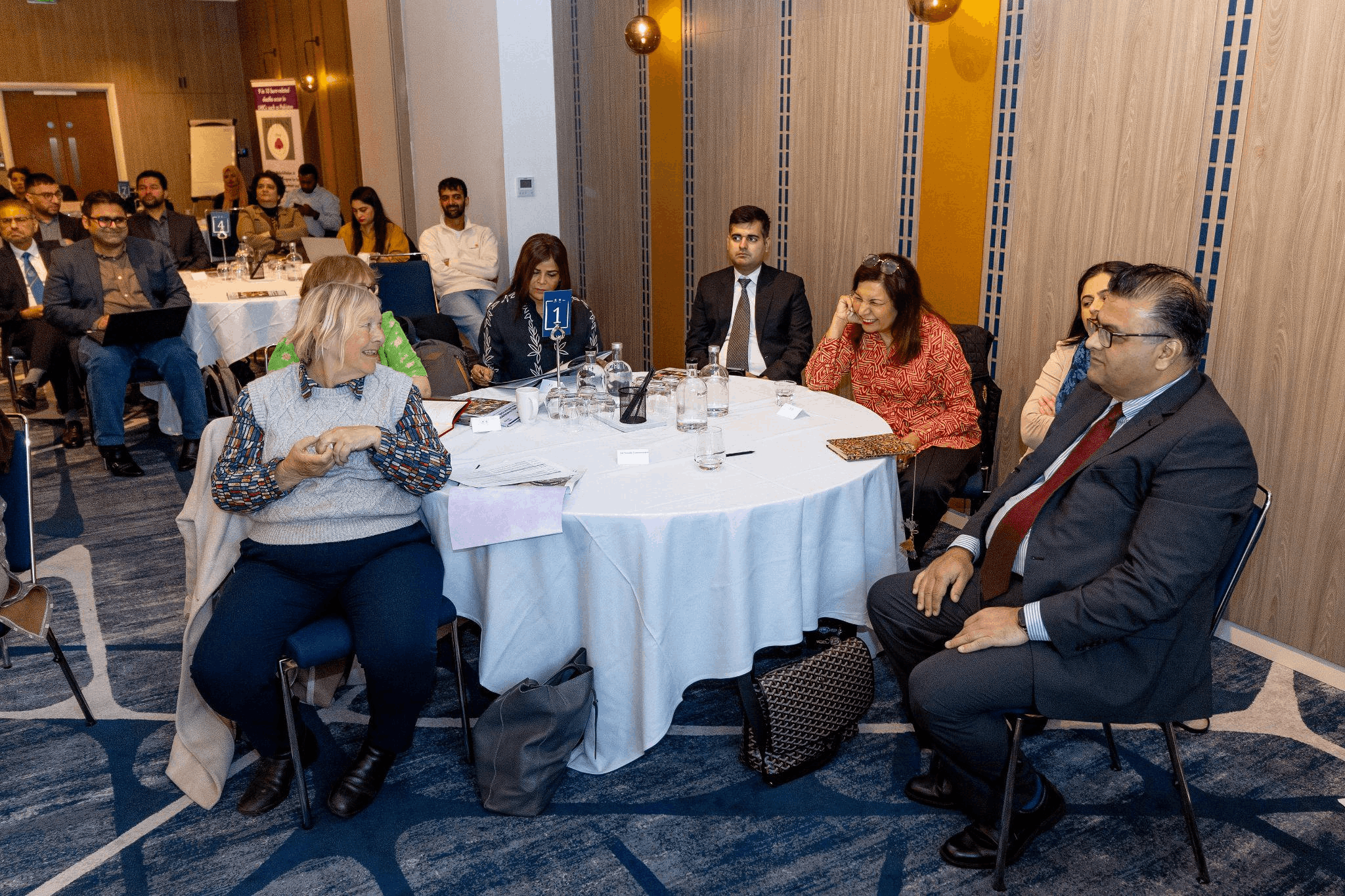
As part of our GMHCP partnership network, this programme held in Manchester featured a series of dynamic training sessions to advance mental health research in LMICs. It was designed to strengthen partnerships and enhance local leadership, bringing together collaborators from the UK and Pakistan.
Key sessions included:
- Count Me In:Led by Jahanara Miah, highlighting inclusive research practices and the role of patient and public involvement.
- Systematic Thematic Analysis:Led by Dr. Naeem Muhammad.
- Cognitive Remediation:Led by Dr. James Gilleen.
- Two-day Grant Writing Retreat:Led by Professors Nusrat Husain, Prof, Karina Lovell, and Prof, Imran Chaudhry, provided valuable skills to early-career researchers.
- Digital AI for Recruitment in Research Trials:Exploring the power of AI to aid participant recruitment.
- ChatGPT for Qualitative Data Analysis:A practical session on using new tools to support research.
- Global Health Research in Pakistan Conference:A highlight of the week, titled “From Local Action to Global Impact,” featuring presentations on youth mental health, health system strengthening, and community involvement.
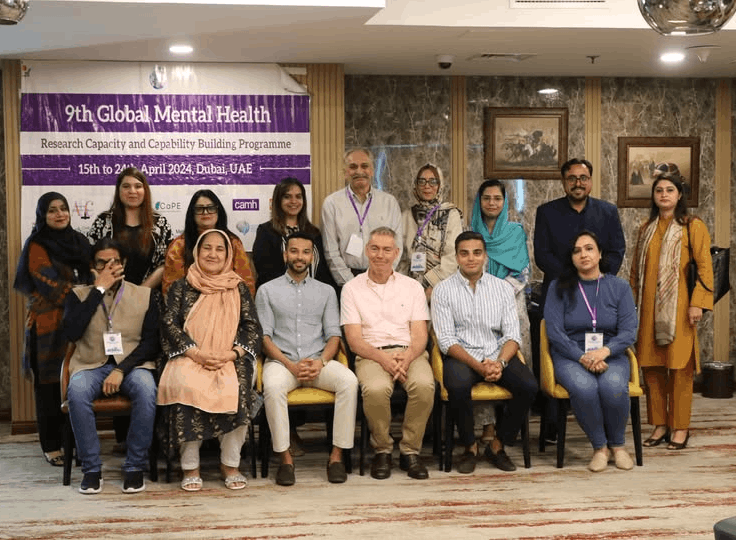
9th Global Mental Health Capacity Building Programme
- Date:April 2024
- Location:Dubai, UAE
This intensive programme, a collaboration between MGF and PILL as part of the GMHCP network, brought together professionals and students for hands-on training. It provided a vital opportunity for early-career researchers to enhance their skills.
Key training modules included:
- Advanced Photovoice Method Training: A “Master Trainer” course exploring ethics, safety, and community consent.
- Grant Writing Retreat: Led by GMHCP Director Prof. Nusrat Husain, Prof. Nasim Chaudhry, Prof. Karina Lovell, and others.
- Specialised Sessions: Focused training on consensus methods, sleep/trauma disorders, and positive psychology for multimorbidity.
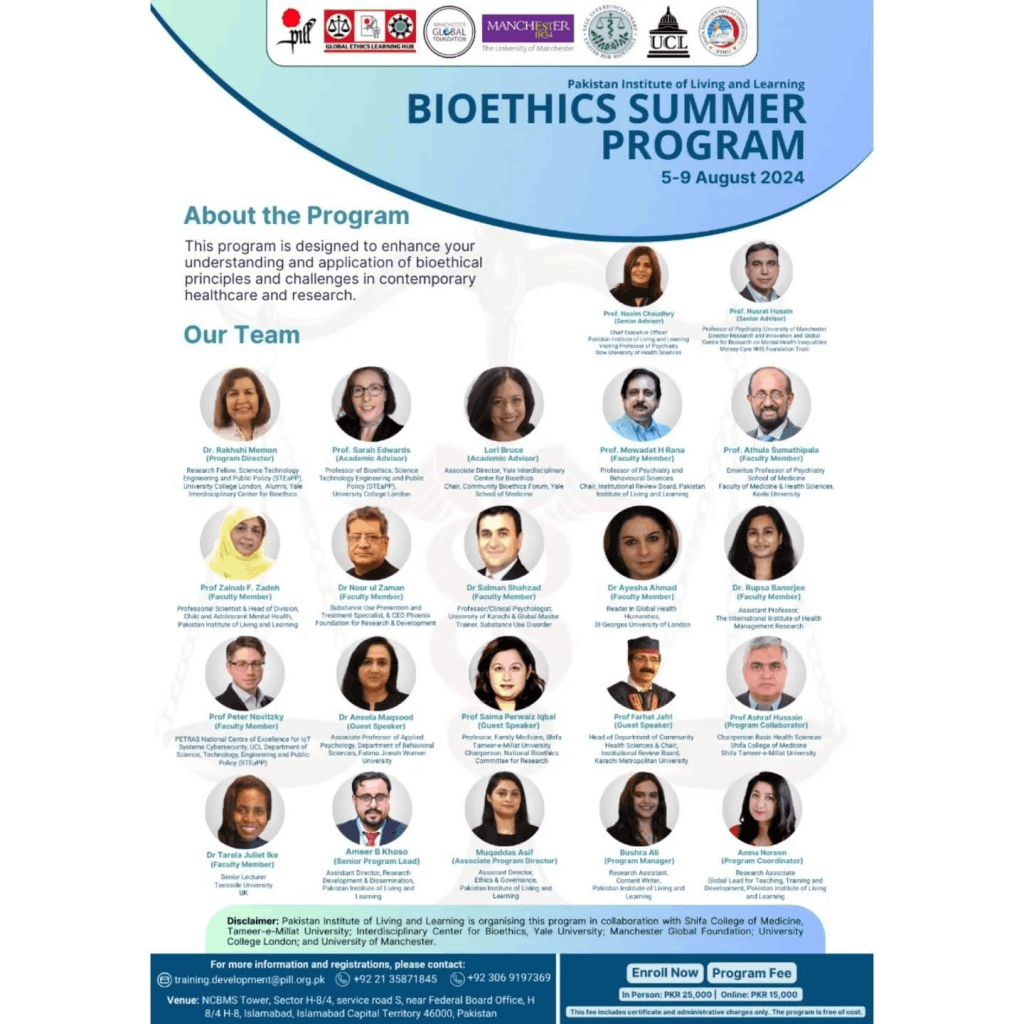
Bioethics Summer Programme 2024
- Date: August 2024
- Location: Islamabad, Pakistan
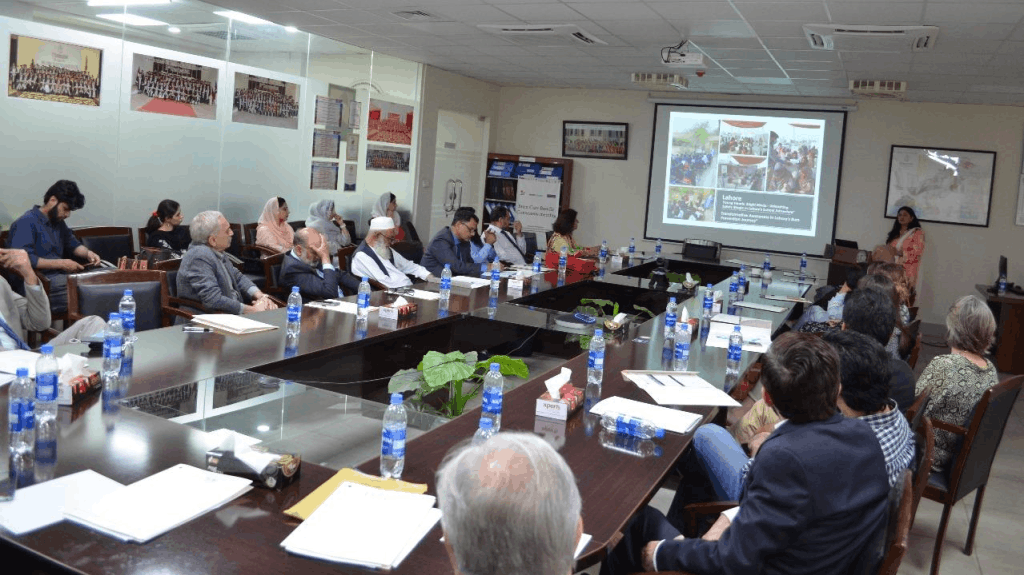
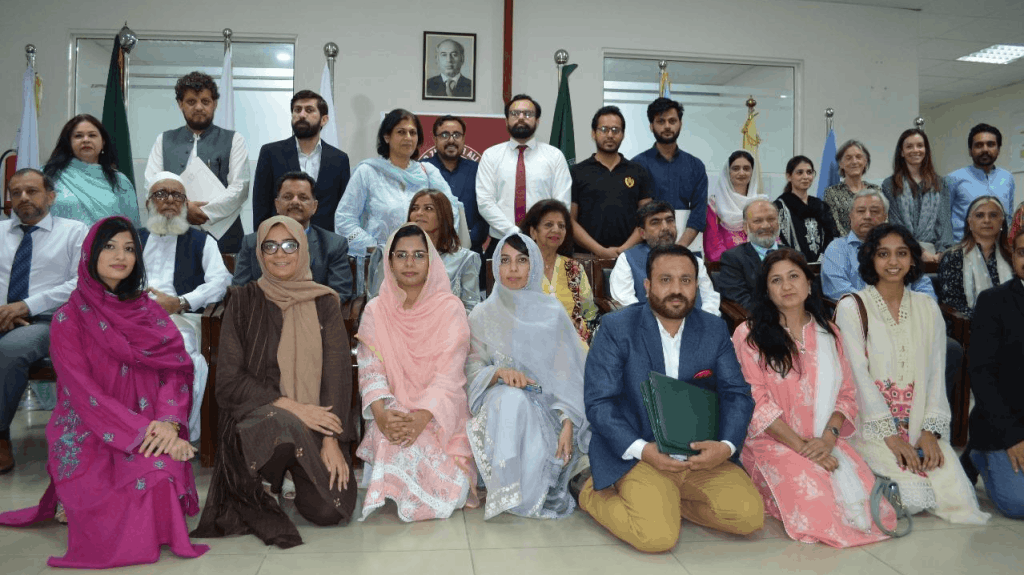
Held at Shifa College of Medicine, this was a major collaborative initiative by the GMHCP network, including key partners MGF, PILL (GELH), University College London (UCL), Yale University, and the University of Manchester.
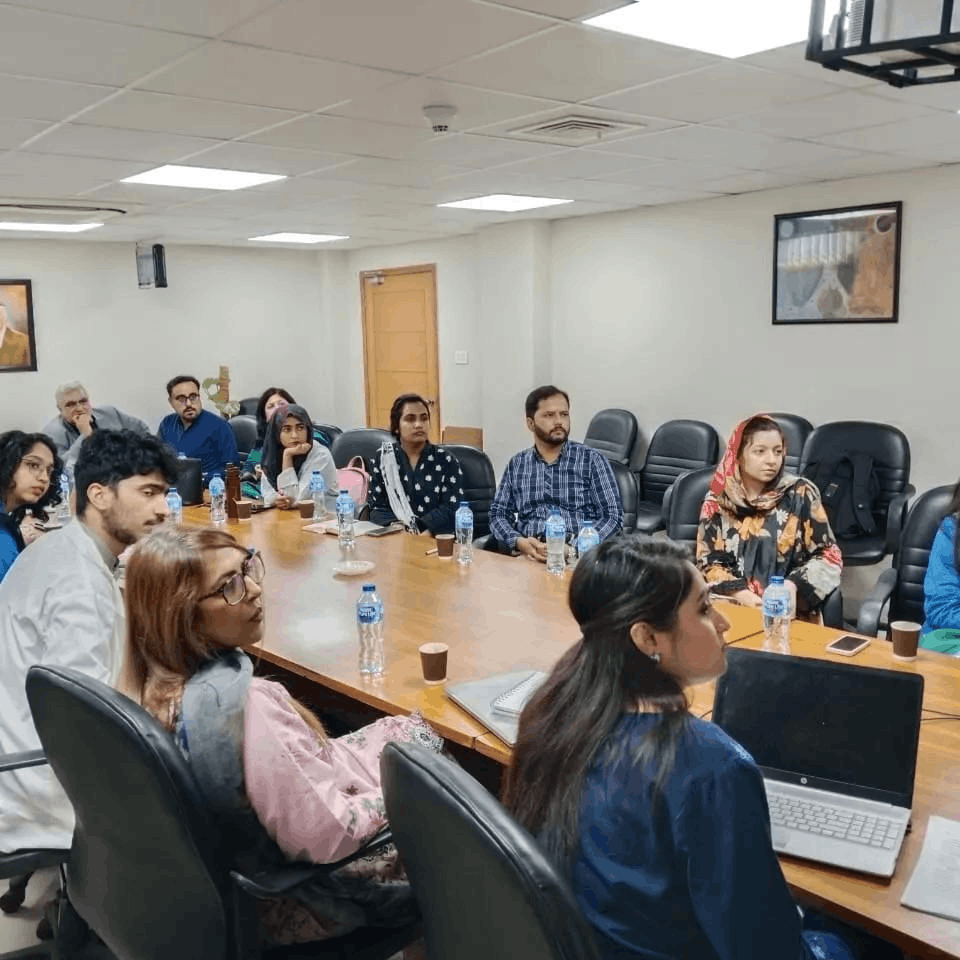
The week-long programme brought together numerous experts, including Prof. Nusrat Husain, Dr. Rakhshi Memon, and Lori Bruce (Yale), to enhance the understanding and engagement with critical bioethical issues. Sessions explored a wide range of topics, including ethical theories, war ethics, narrative transcultural psychiatry, research ethics, clinical trials, end-of-life care, and the ethical implications of AI and mHealth technologies. The programme concluded with poster presentations and a certificate ceremony, reflecting the deep dedication of all partners.
Specialised Clinical Training (PILL)
Our partners at PILL, in collaboration with GMHCP, run targeted training to build specialised local capacity. Examples include:
- Child and Adolescent Mental Health Course: A focused course for psychologists, parents, and educators to provide comprehensive knowledge on child-related mental health disorders and resilience-building strategies.
- mPareshan Training Manual: A “Master Trainer” programme to equip community-based Lady Health Workers (LHWs) with the skills to identify anxiety and depression and deliver frontline counselling.
Specialised Clinical Training (Y-CMAP)
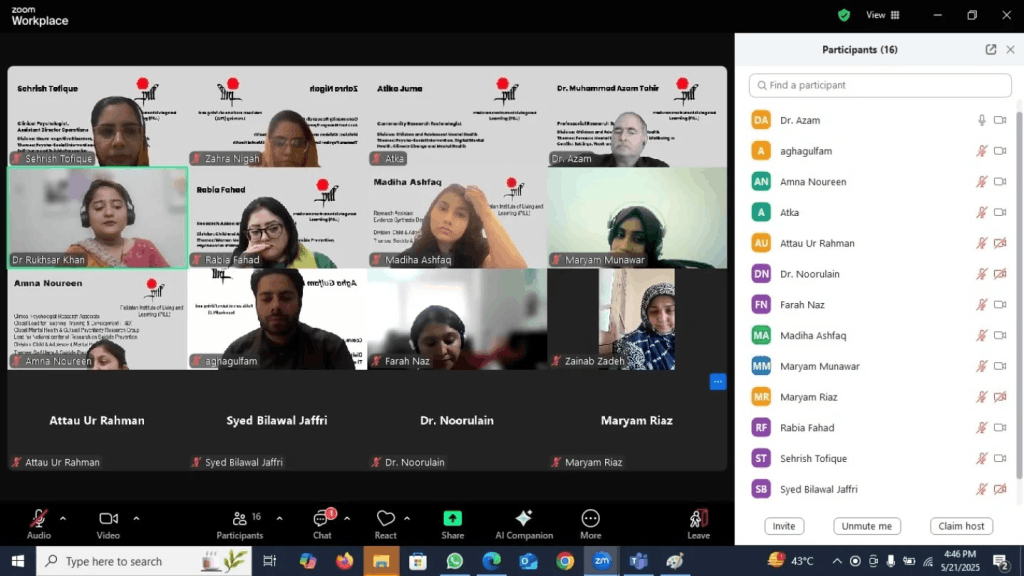
As part of the GMHCP and PILL partnership, researchers and therapists receive specialised training for key clinical trials. A significant example is the Youth Culturally Adapted Manual Assisted Problem Solving (Y-CMAP) intervention.
This training equips psychology graduates to deliver a brief, culturally-relevant psychological intervention for adolescents who self-harm. Training includes orientation to the study, use of assessment questionnaires, role-play sessions, and ongoing fortnightly supervision from local and international CBT experts.
Specialised Community Training (BLS)
- Date: April – May 2025
- Location: Karachi, Pakistan
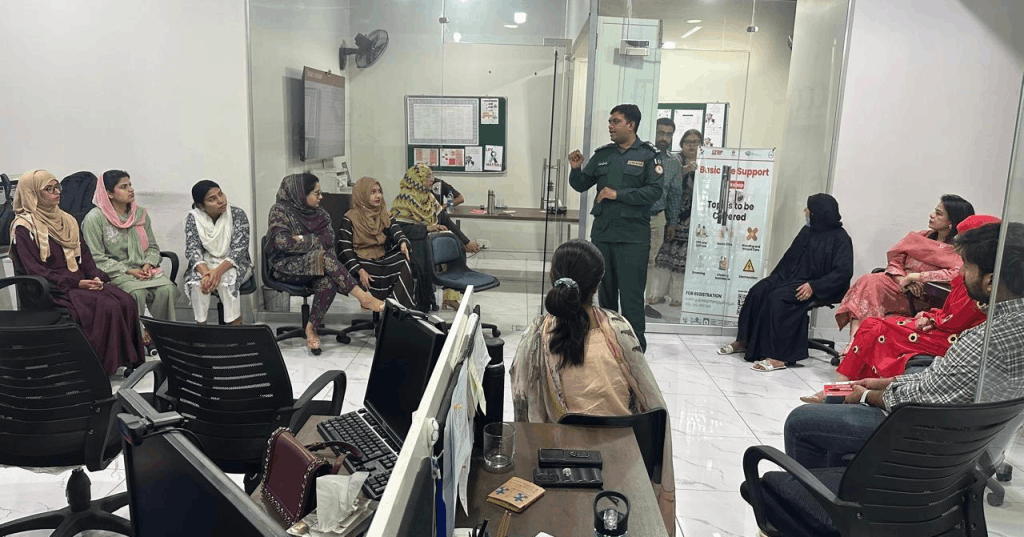
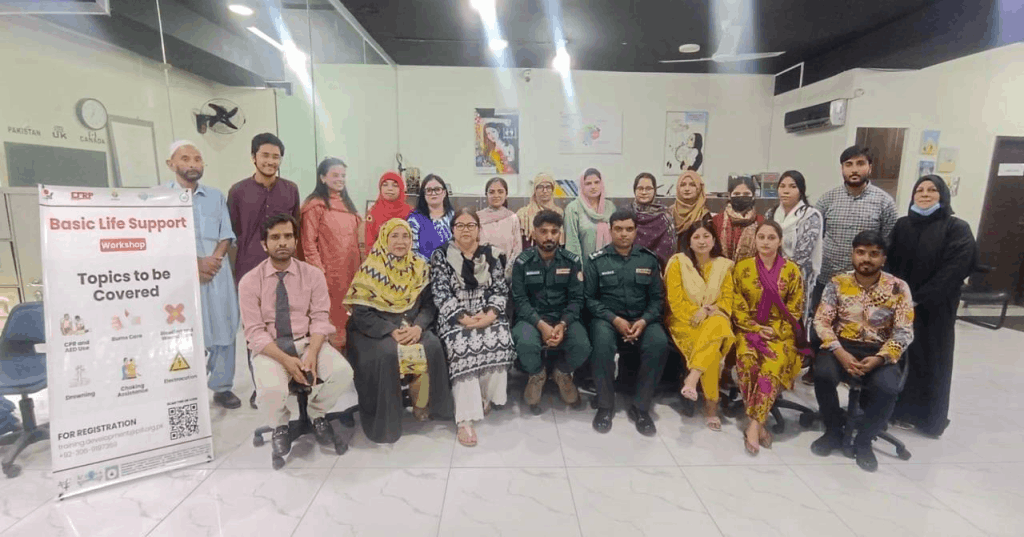
Our partners at PILL, in collaboration with GMHCP, our researcher and presenter, Dr Munazza Obaid helped deliver practical training to empower local communities. Recent sessions in Basic Life Support (BLS) equipped participants with essential emergency response skills.
The blended model combined interactive online learning with hands-on practice, covering CPR for adults, children, and infants, as well as wound care and fracture management. This initiative builds community resilience by enhancing both the skills and confidence to save lives during a crisis.
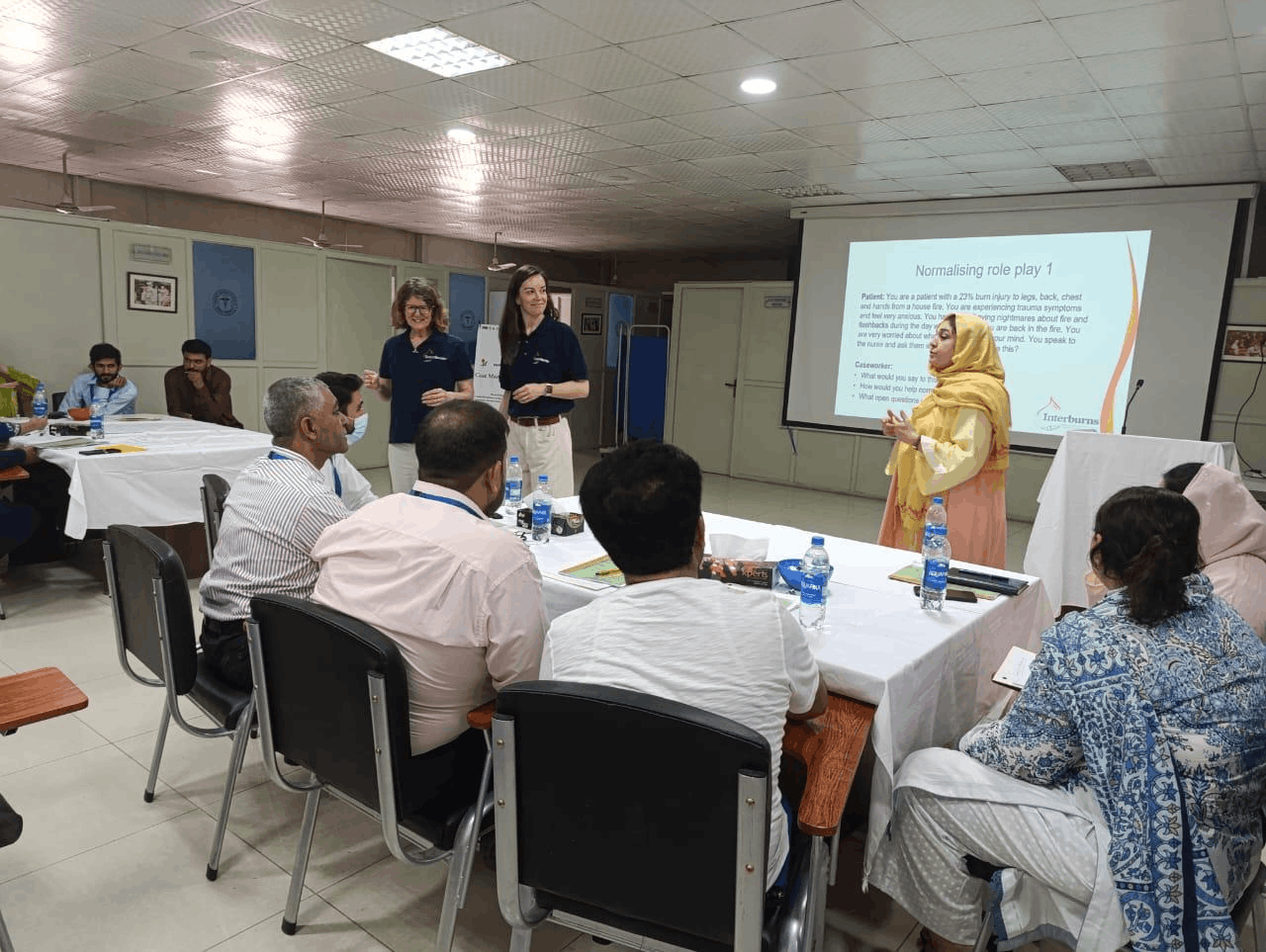
Case Managers Training (NIHR Burns Project)
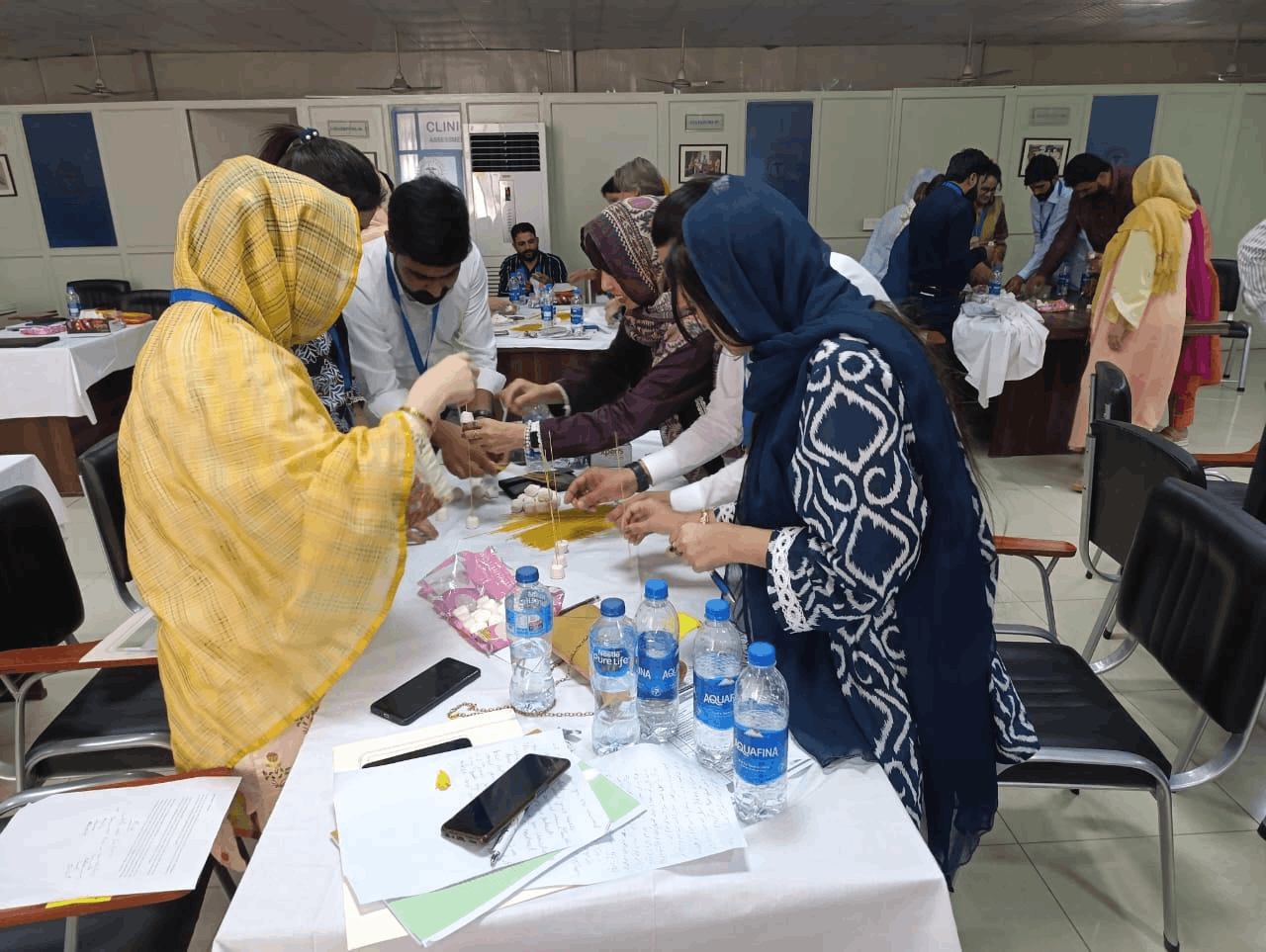
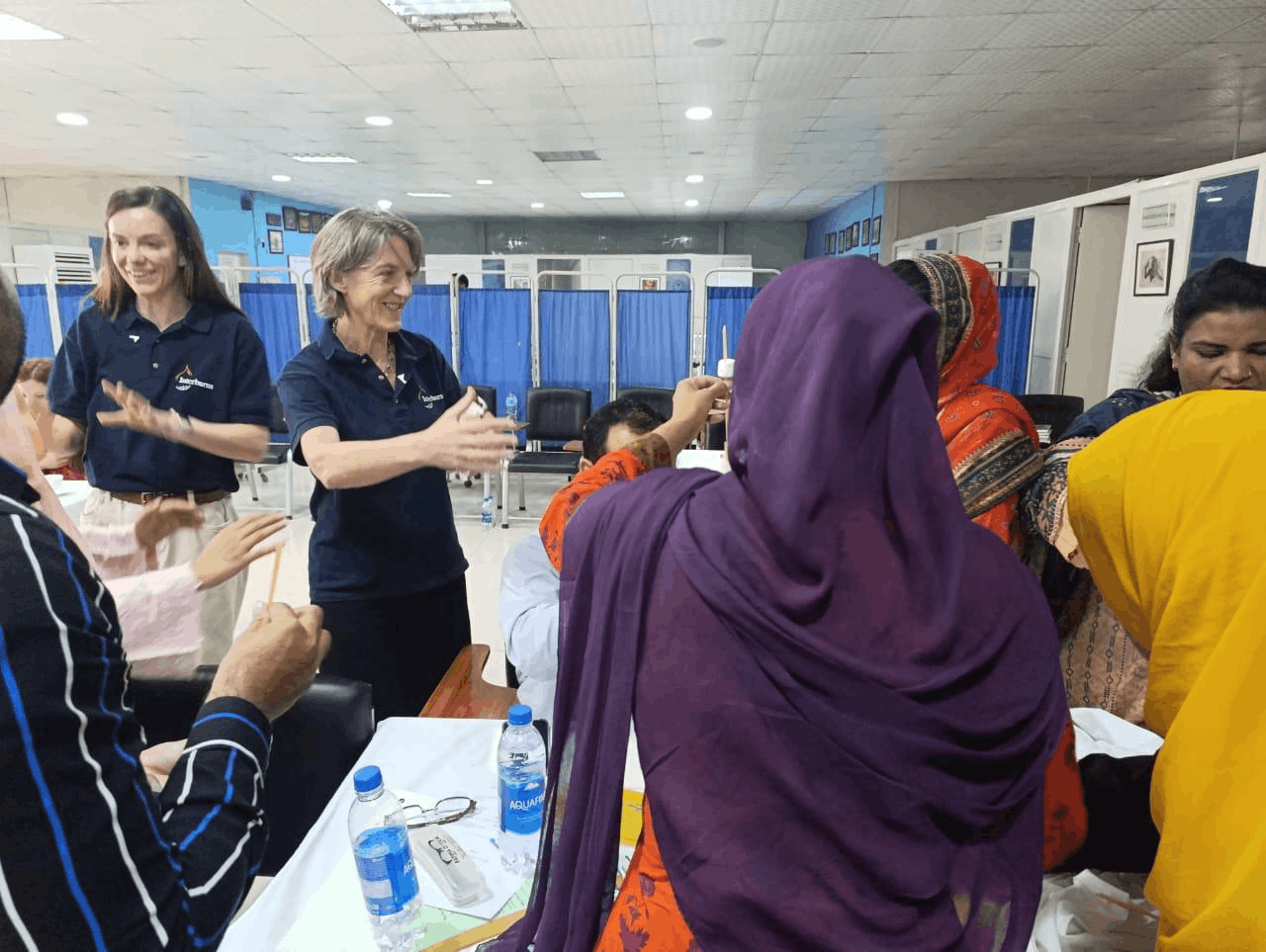
As part of the NIHR-funded Burns Rehabilitation programme (NIHR203082), MGF and PILL, in collaboration with GMHCP, organized a two-day workshop for Case Managers.
Led by the Inter burns surgical team, this training provided vital skills to nurses, emphasizing the often-overlooked psychological and social dimensions of burn recovery. This training is critical for building local capacity to provide holistic care for burn patients.
Theory of Change Workshops (Various)
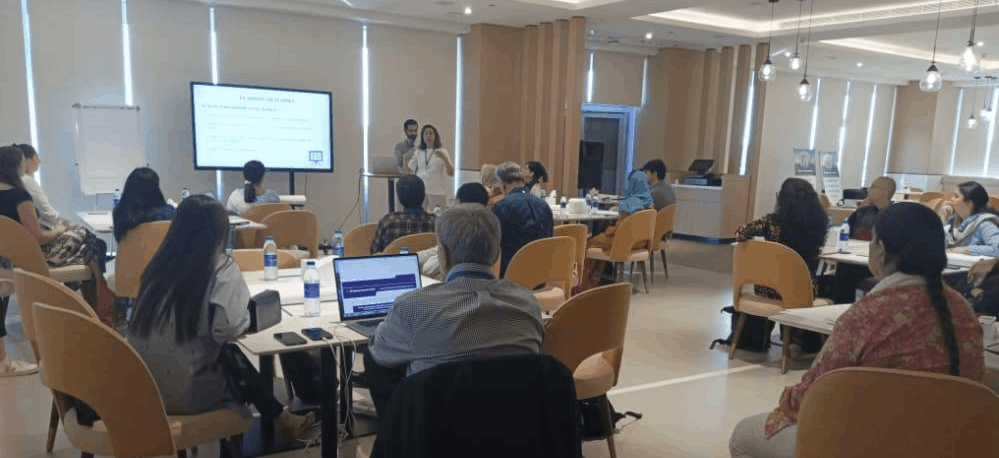
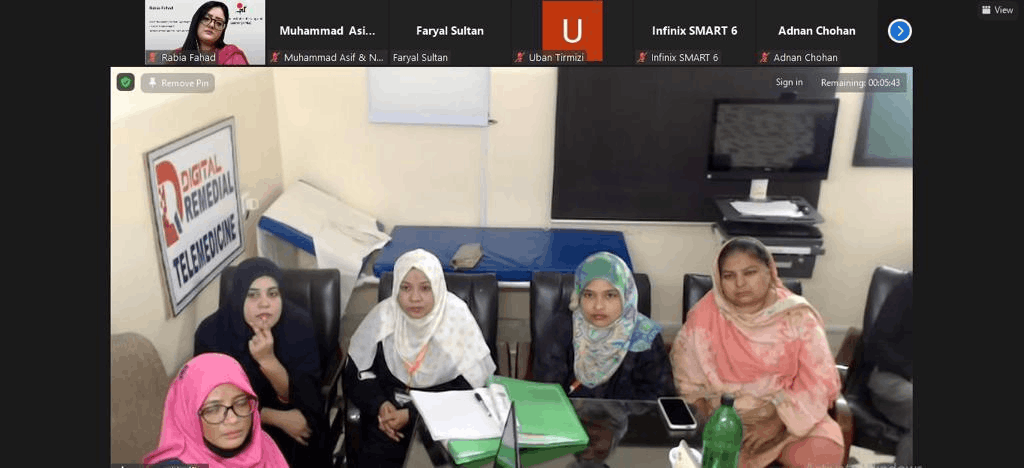
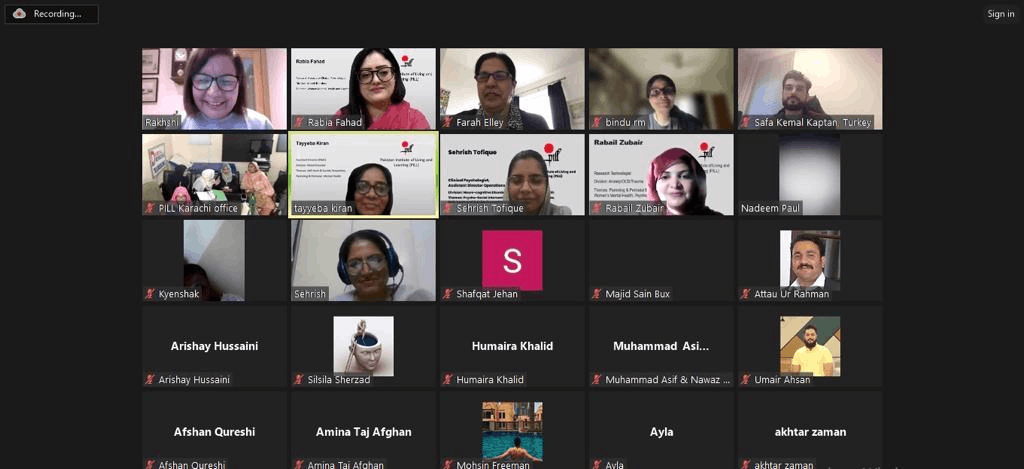
A key part of our capacity-building work involves facilitating Theory of Change (ToC) workshops. These sessions, often led by MGF CEO Dr. Rakhshi Memon in collaboration with GMHCP, bring together stakeholders to map out project goals, identify risks, and ensure sustainable impact. Recent workshops include:
- Traumatic Brain Injury (TBI) & Road Traffic Accidents (RTAs) (Feb 2025): A session in Karachi that brought together key stakeholders and Lived Experience Experts. The workshop focused on creating a comprehensive framework for prevention, early intervention, and rehabilitation for TBI patients.
- ‘Arts for the Blues’ Intervention: Explored how creative arts-based approaches can support mental well-being in Pakistan.
- Methotrexate Schizophrenia Clinical Trial: Focused on the strategic framework for driving impactful research and implementing innovative treatments.
- LTP+CaCBT Nigeria (May 2025): A workshop for the UKRI-funded project to refine the ToC model, focusing on context-specific risks, mitigation, and measurable indicators for mental health capacity building in Nigeria.
Theory of Change Workshop (Perinatal Wellbeing)
- Location: London, United Kingdom
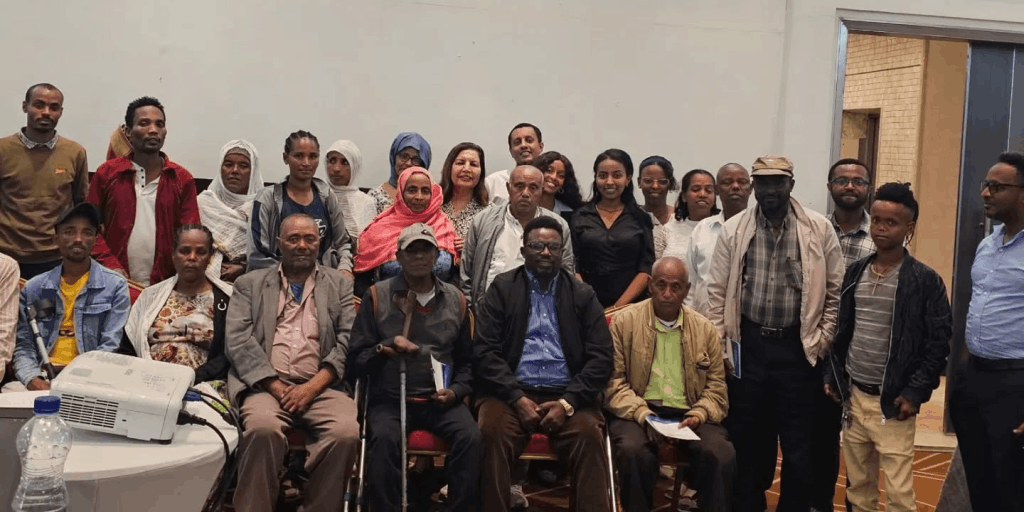
Manchester Global Foundation, in partnership with GMHCP, hosted an in-person Theory of Change (ToC) workshop to inform a maternal well-being programme for British Black, Asian, and Minority Ethnic (BAME) women (ROSHNI-3).
The session, led by Dr. Rakhshi Memon, brought together perinatal health experts, research managers, and mothers with lived experience. Participants from partner organisations, including the Ethnic Health Forum (EHF), Maternity Mates, and Save the Children, collaborated to map the intervention and develop clear recommendations.
Organisational Development Workshop
- Date: October 2024
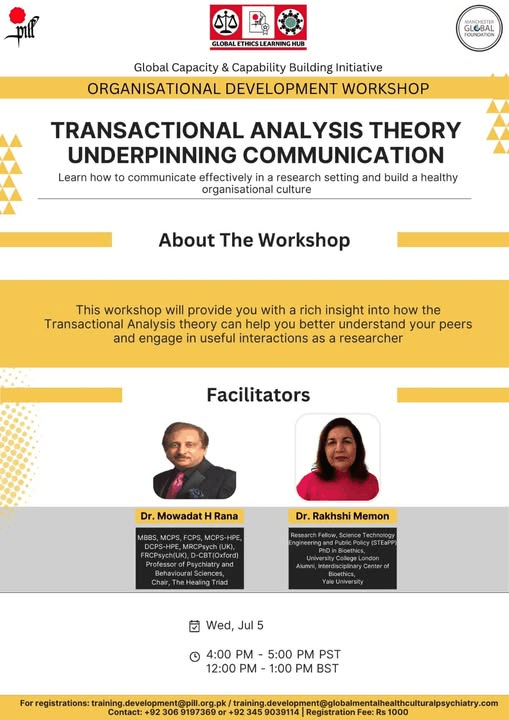
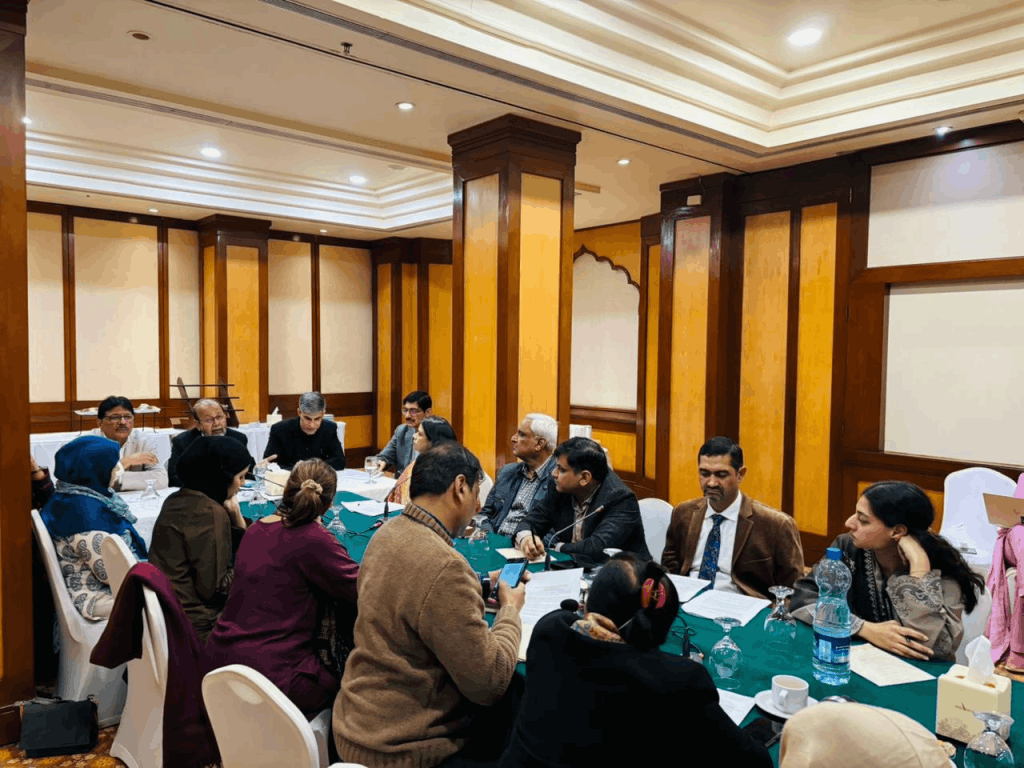
As part of the GMHCP Global Capacity & Capability Building Initiative, this workshop focused on “Transactional Analysis Theory Underpinning Communication.”
Led by Dr. Rakhshi Memon, Prof. Mowadat H Rana, and Dr. Sehrish Irshad, the session equipped researchers with practical tools to enhance communication skills, better understand peers, and build a healthy organisational culture by exploring core principles of Transactional
Analysis
Strategic & Governance Workshops (PILL)
Our GMHCP network supports partners in strengthening their organisational foundations. Workshops led by MGF for PILL include:
- Strategic Planning (Feb 2025): Dr. Rakhshi Memon facilitated a session for PILL’s senior management to revisit their vision and develop 5-year SMART goals aligned with the UN’s Sustainable Development Goals (SDGs).
- Data Integrity & Lessons Learned (Feb 2025): A hybrid event for PILL’s senior management and field researchers to inform more rigorous quality assurance for future projects.
- Portfolio Development & Appraisal: Dr. Samina Matin and Dr. Yahya Memon provided strategies for building strong academic and professional portfolios.
- Code of Good Governance (2024): Dr. Rakhshi Memon led a workshop at the PILL Head Office focusing on best practices in governance, ethical decision-making, and promoting transparency to build a culture of integrity.
Conferences & Workshops
Our conferences and workshops are inclusive spaces for global exchange. They bring together professionals from academia, clinical practice, and policy to share the latest innovations and foster dialogue between LMIC and HIC partners.
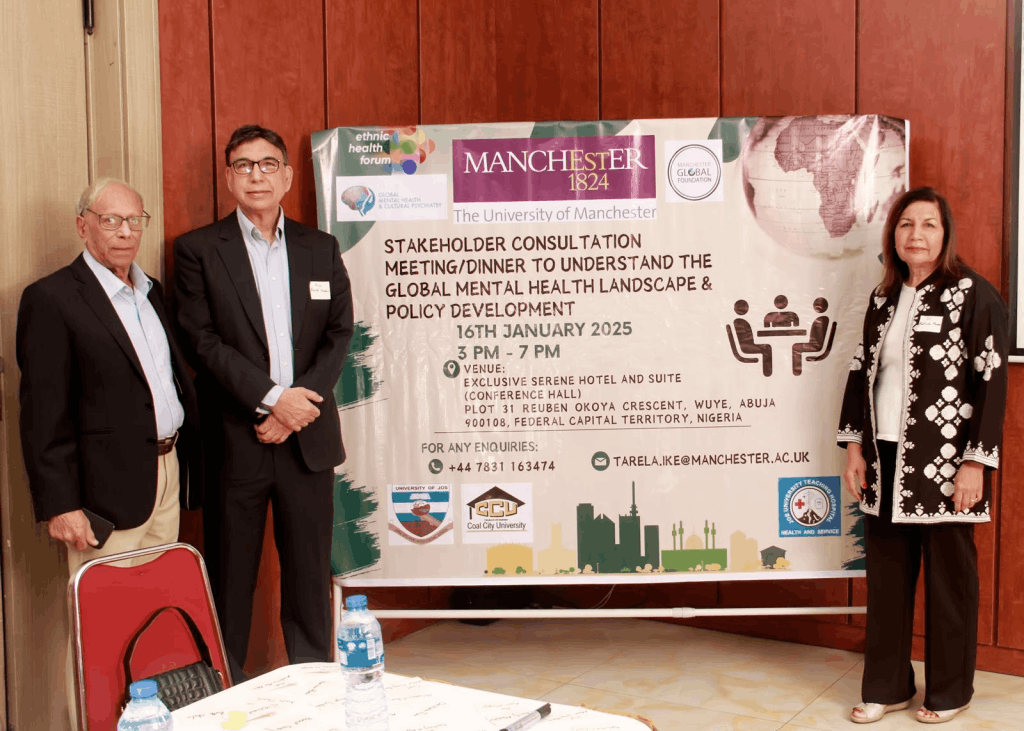
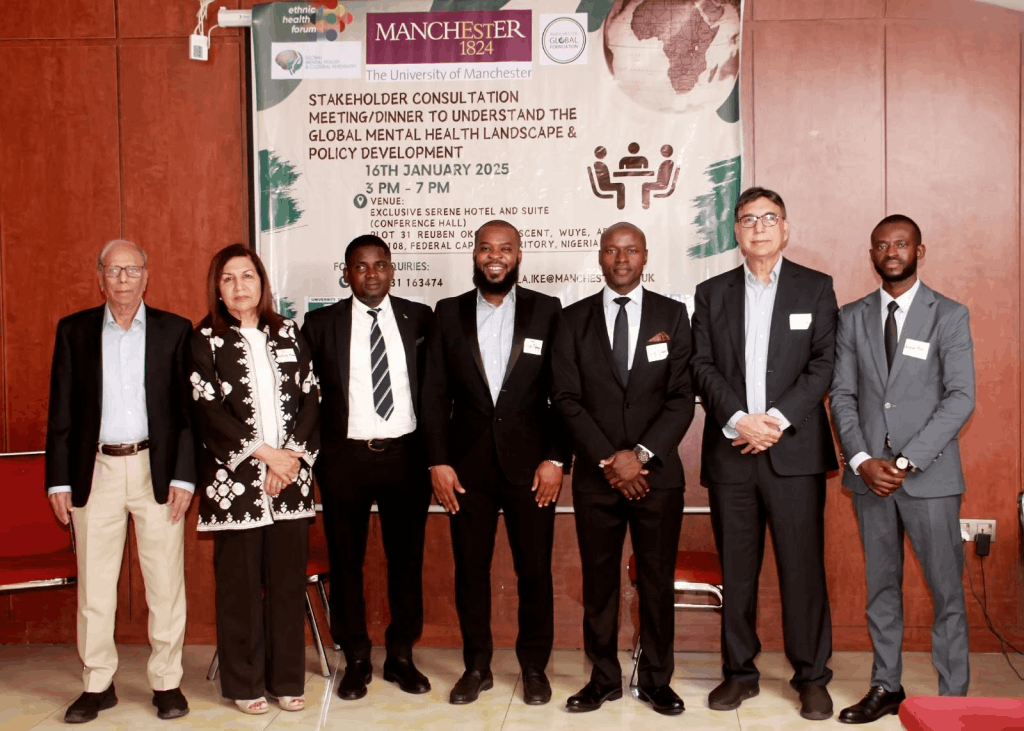
Nigeria Stakeholder Consultation & Visit
- Date: January 2025
- Location: Abuja, Nigeria
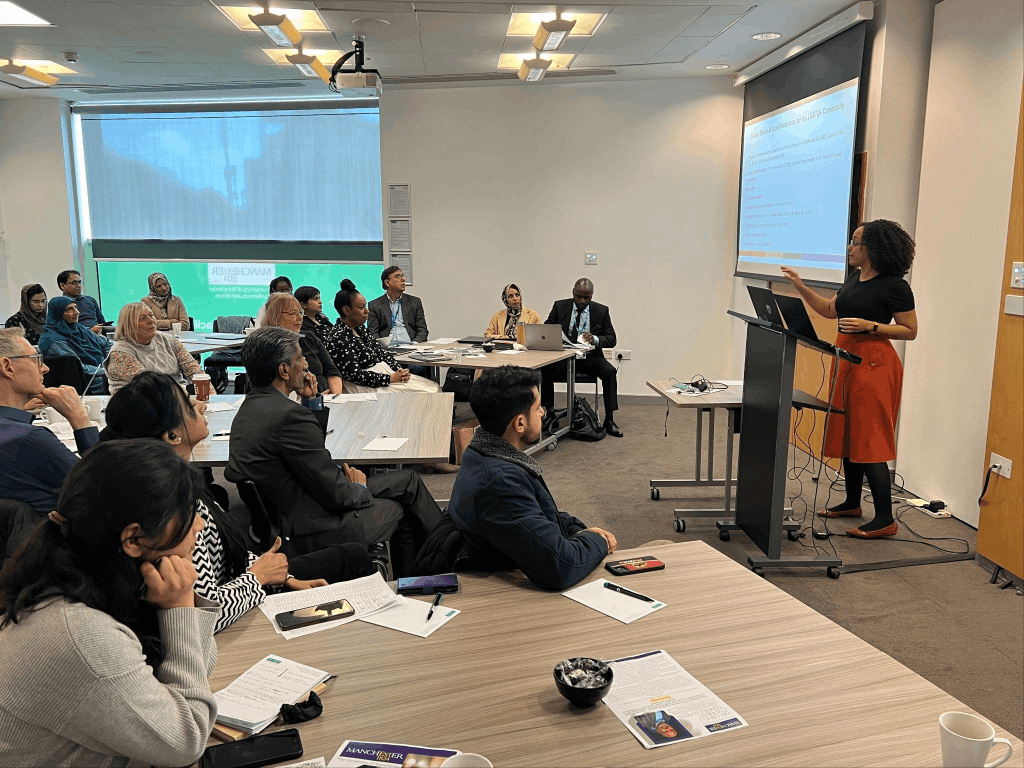
As part of the GMHCP partnership, Dr. Rakhshi Memon (CEO, MGF), Prof. Nusrat Husain (Director of GMHCP)and Dr Dung Jidong visited Abuja to enhance global mental health initiatives. Their visit included high-level stakeholder consultations, community engagement sessions, and strategic discussions to shape mental health policy.
Key highlights included:
- Stakeholder Consultation Meeting (Jan 16): A high-level meeting with Nigerian government officials, including the Hon. Minister of State for Health, to discuss the mental health landscape and policy development.
- Community Engagement Session (Jan 19): An interactive session with Lived Experience Experts (LEEs), chaired by Dr. Rakhshi Memon, as part of the UCL Global Engagement Fund Project. This fostered a cross-regional dialogue with virtual participation from Pakistan and India.
- New Collaborations: A productive meeting with the Clinical Director and Deputy Clinical Director of the Federal Medical Centre, Abuja, who expressed keen interest in working with the GMHCP network to develop impactful strategies for mental health support and policy advancement in Nigeria.
2024 RCPsych International Congress
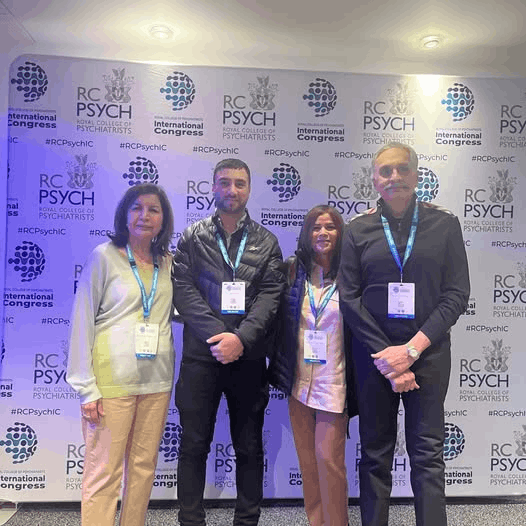
- Date: June 2024
- Location: Edinburgh, UK
The GMHCP network’s research was prominently featured at the Royal College of Psychiatrists’ flagship annual event. MGF Director Dr. Rakhshi Memon and GMHCP Research Fellow Dr. Nadeem Gire presented e-posters on critical global health topics.
Presentations included research on substance use and suicide in Pakistan, ethical concerns in suicide research, and the “TechCare PK” mobile assessment and therapy intervention for psychosis.
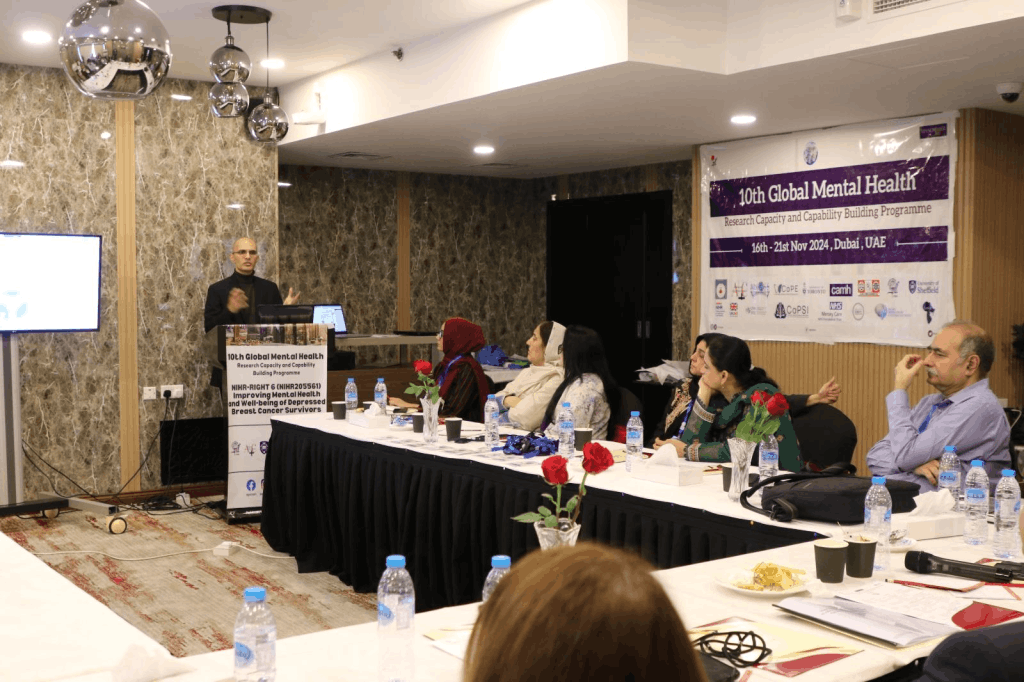
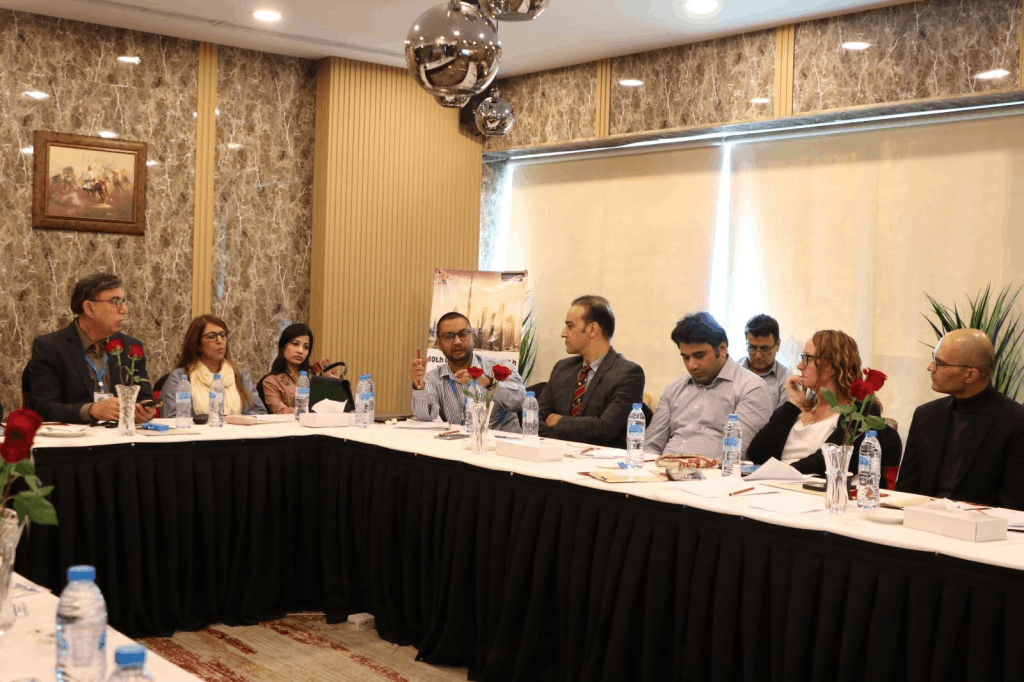
10th Global Mental Health Capacity Building Programme
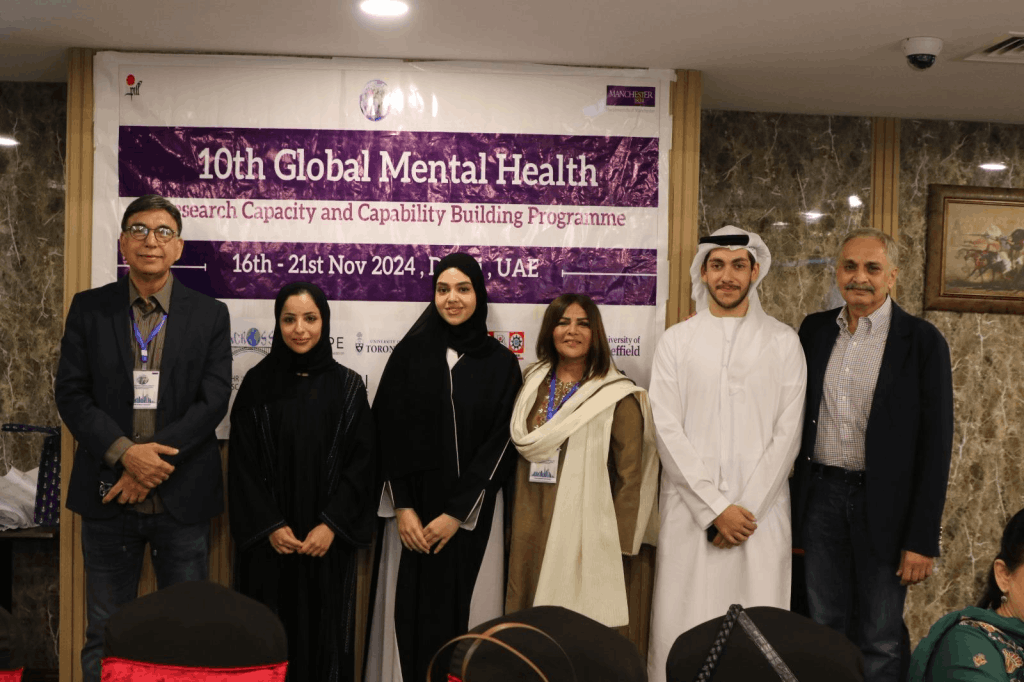
- Date: 2024
- Location: Dubai, UAE
This seven-day programme, a core part of the GMHCP partnership, brought together leaders from healthcare, academia, and government to address key health challenges in Pakistan. It featured interactive sessions, stakeholder forums, and focused discussions on research, policy, and sustainability.
GMHCP Director Prof. Nusrat Husain and Dr. Nasim Chaudhry led key discussions on evidence-based policymaking. These were followed by sessions on adaptive interventions, community campaigns, and establishing a breast cancer registry. Dr. Rakhshi Memon led a critical Risk Assessment session, and Dr. Imran Chaudhry contributed insights on mental health and capacity-building.
14th Culture & International Mental Health Conference
- Date: December 2024
- Location: Manchester, UK
Held in collaboration with MGF at The Whitworth Art Gallery, the theme was “Mental Health Beyond Borders.” The event was honoured by the presence of Dr. Azra Fazal Pechuho, Honourable Health Minister Sindh, Pakistan, as Chief Guest.
GMHCP Director, Prof. Nusrat Husain, delivered the welcome address, highlighting the global burden of mental illness and the need for a life-course approach and international collaboration.
GMHCP consultants, including Prof. Nasim Chaudhry and Prof. Imran Chaudhry, shared insights on NIHR-funded projects and innovative approaches to tackling mental health disparities, dementia care, and youth mental health. The conference highlighted arts-based therapies and strategies to improve access to care in underserved regions.
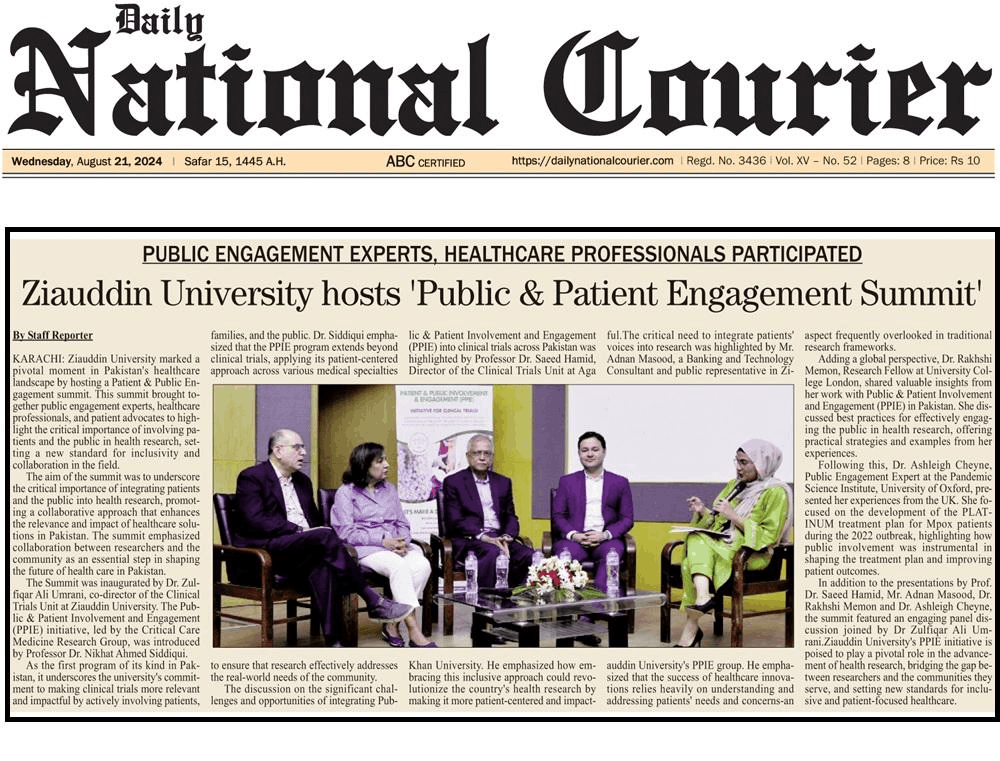
Patient & Public Involvement Summit
- Date: August 2024
- Location: Karachi, Pakistan
Hosted by Ziauddin University, this summit focused on the theme “Engage, Explore, and Excel Research Revolution.”
A key highlight was a presentation by Dr. Rakhshi Memon (MGF/UCL), on behalf of the GMHCP network, on the evolving role of community engagement in shaping impactful research. She shared innovative models and successful case studies from her experience in the UK, illustrating how patient involvement leads to more effective, inclusive, and relevant healthcare solutions.
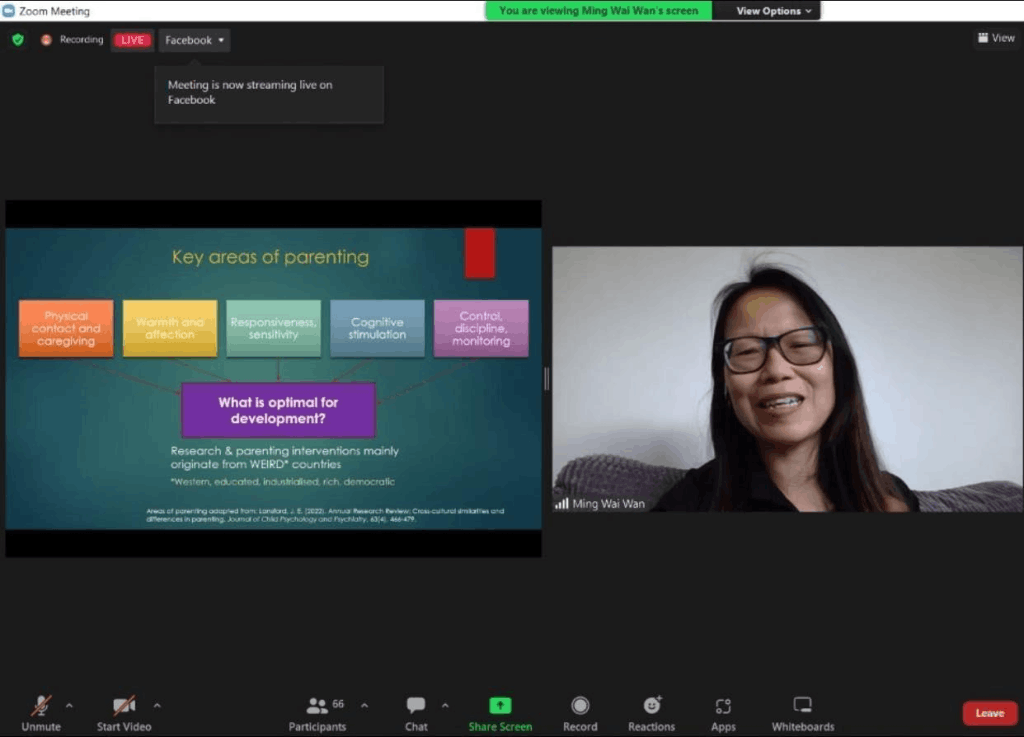
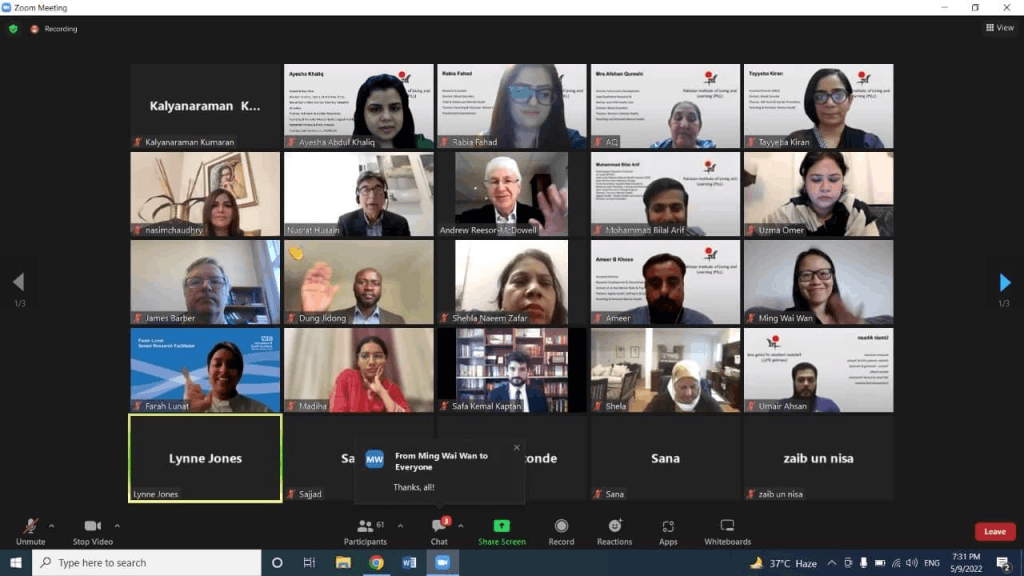
4th Global Parenting Intervention Conference
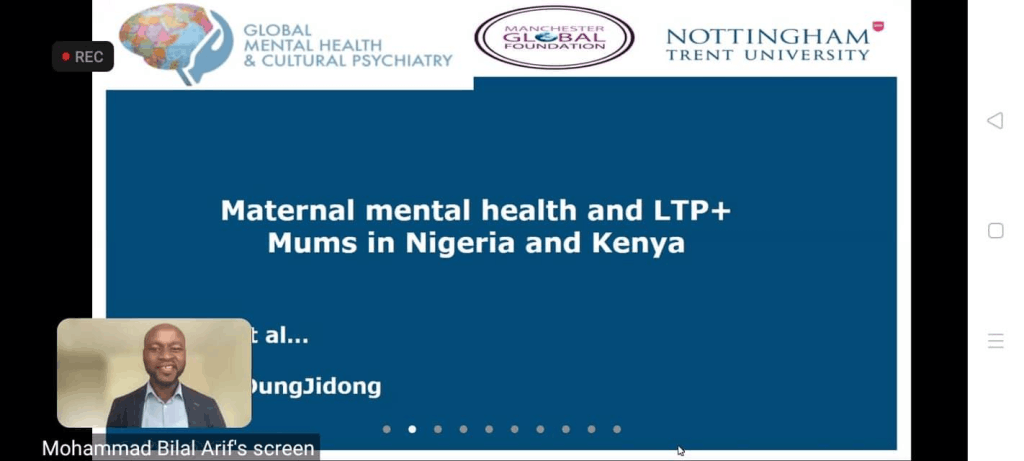
Dr. Mina Husain, a consultant within our GMHCP/MGF network, delivered an insightful session at this conference. Her talk focused on ‘Learning Through Play Plus’, an evidence-based intervention designed to support parents with psychosis who are raising young children. Drawing on international research, she demonstrated how play-based, culturally adaptable approaches can strengthen parenting skills and build resilience within families affected by severe mental illness.
3rd International Parenting Intervention Conference
- Date: May 2024
- Location: Online
This virtual conference brought together global experts to discuss the latest strategies in parenting interventions. Key highlights included presentations from consultants within the GMHCP network.
MGF consultant Dr. Mina Husain shared valuable insights on parenting within an in-patient psychiatric unit, offering evidence-based practices for these challenging environments. Prof. Nusrat Husain, Director of GMHCP, provided an in-depth analysis of future directions in parenting intervention research, emphasizing innovative methodologies to improve support systems globally.
2nd Annual Global Conference: "BREAKING THE SILENCE"
This hybrid event, a key part of our GMHCP collaborative, brought together 100 participants from the UK, India, Nepal, Australia, and the USA. The conference, titled “Addressing Suicide Risk and Prevention in Vulnerable Groups,” served as a platform for educators, mental health experts, researchers, and students to exchange innovative strategies and research findings. By fostering dialogue, the conference aimed to raise awareness, reduce stigma, and promote mental health literacy.
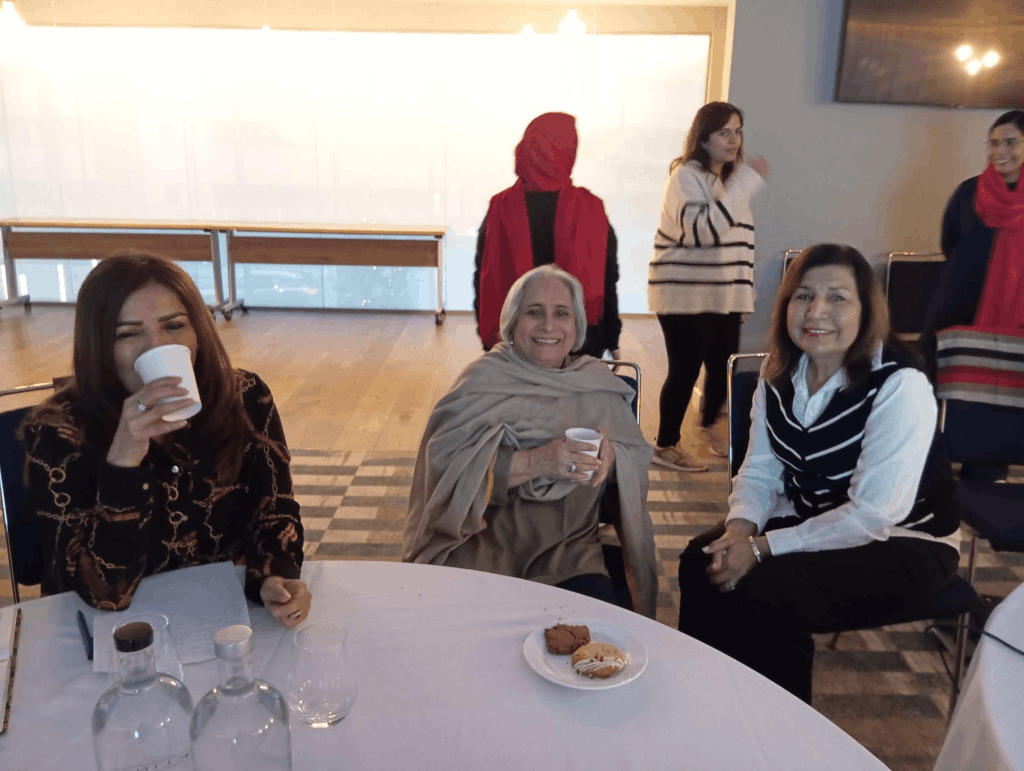
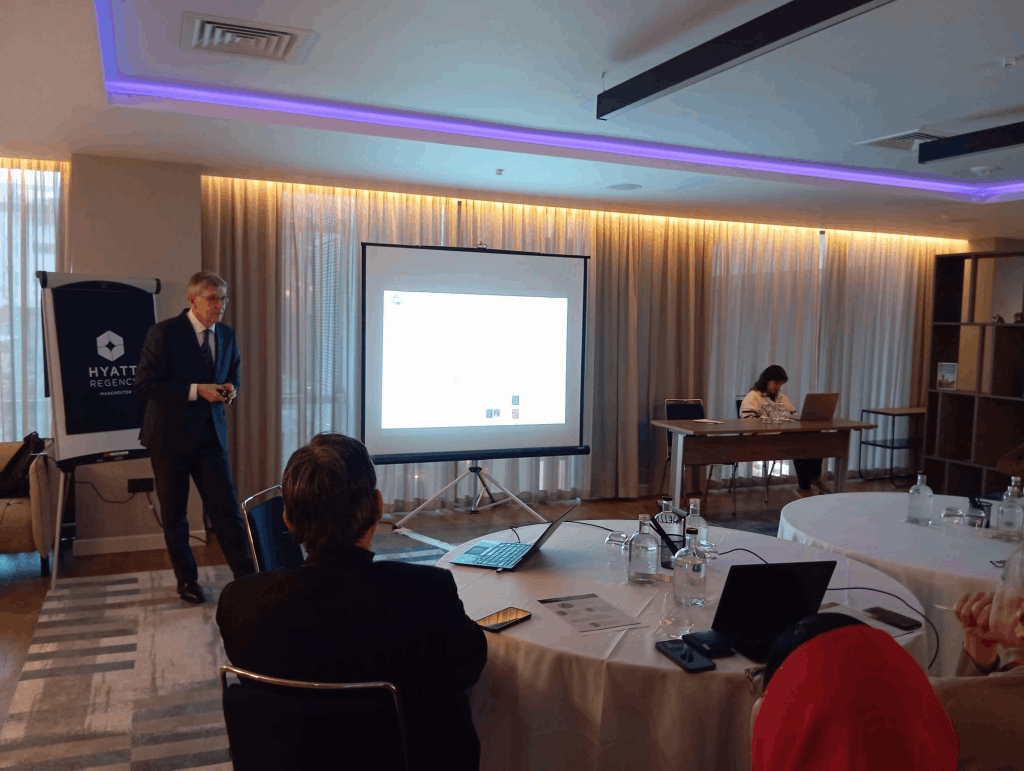
Academic Exchange: Sindh Health & UoM
- Date: December 2024
MGF, in collaboration with the University of Manchester and GMHCP, hosted an Academic Exchange featuring Sindh Health Minister Dr. Azra Fazal Pechuho as Chief Guest. The event brought together leading experts to discuss critical health challenges. MGF CEO Dr. Rakhshi Memon highlighted the need for global collaboration to tackle pressing health issues.
Key topics included:
- Leveraging civic data and AI to empower communities (Prof. Iain Buchan).
- Addressing climate change impacts on perinatal health in Sindh (Dr. Azra Fazal Pechuho).
- Social determinants of health and plans for a UoM research hub in Pakistan (Prof. Nusrat Husain).
- Advancements in AI, innovation, and insomnia research (Prof. Nicky Cullum & Prof. Qing-Jun Meng).
ROSHNI-2 Dissemination Event
This event showcased the findings from ROSHNI-2, a significant clinical trial affiliated with our GMHCP network, which focused on British South Asian women experiencing postnatal depression.
The session presented key findings from the trial and outlined the dissemination of results. Mothers with lived experience shared valuable cultural insights, reinforcing the importance of culturally-adapted interventions.
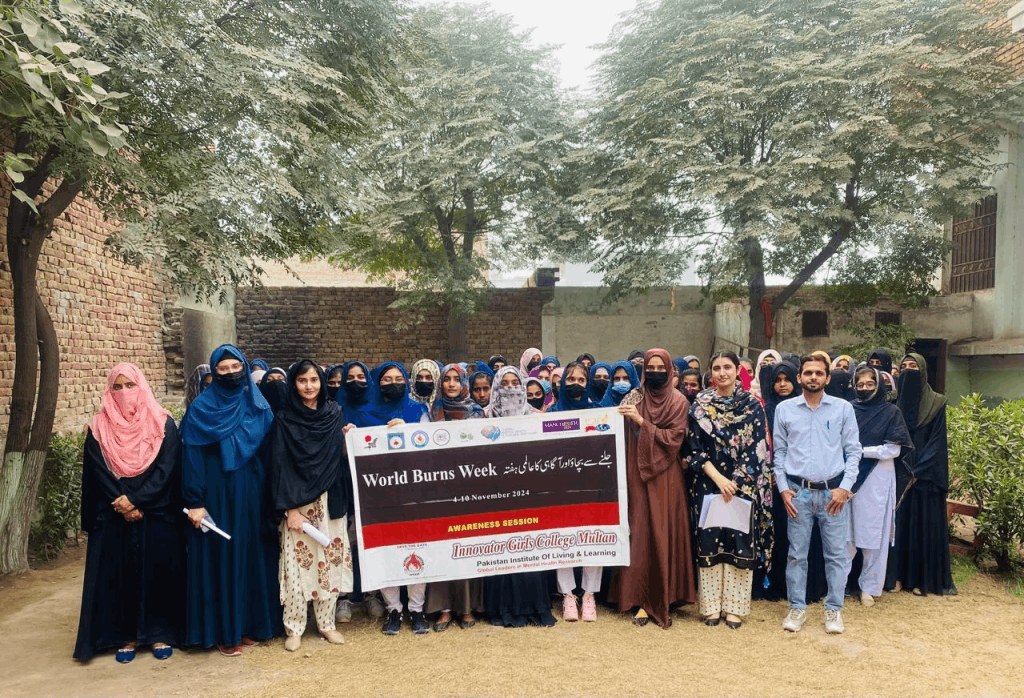
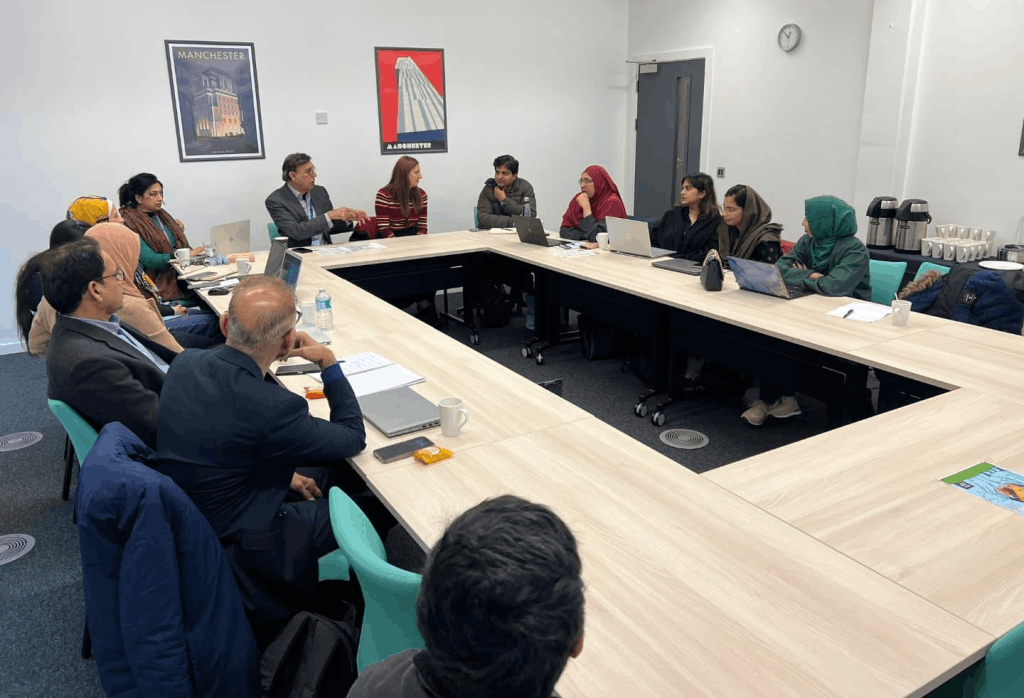
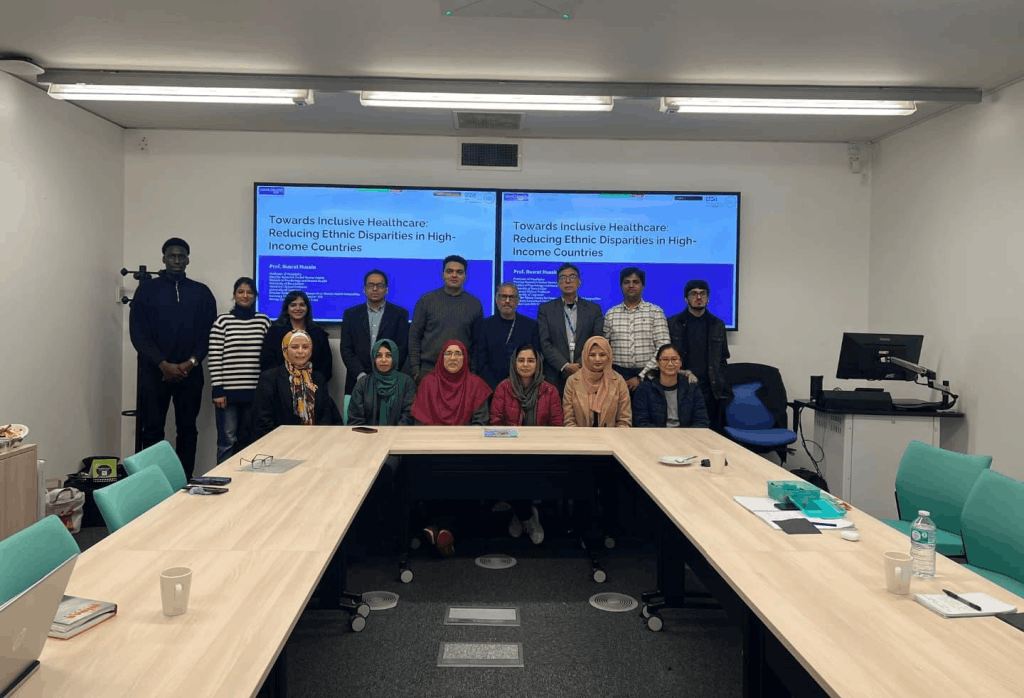
World Burns Week 2024
- Date: November 2024
- Location: University of Manchester
This GMHCP-supported event brought together leading experts to tackle the global health challenge of burns. It served as a vital opportunity to raise awareness, foster collaboration, and drive action for improved burn prevention and recovery worldwide.
Talks included insights from Prof. Nusrat Husain on ethnic inequalities in burns care and a presentation on the innovative NIHR-funded Burns Rehabilitation programme (NIHR203082) by Prof. Maria Panagioti, shedding light on the lived experiences of burn survivors.
National Burns Prevention Day Launch
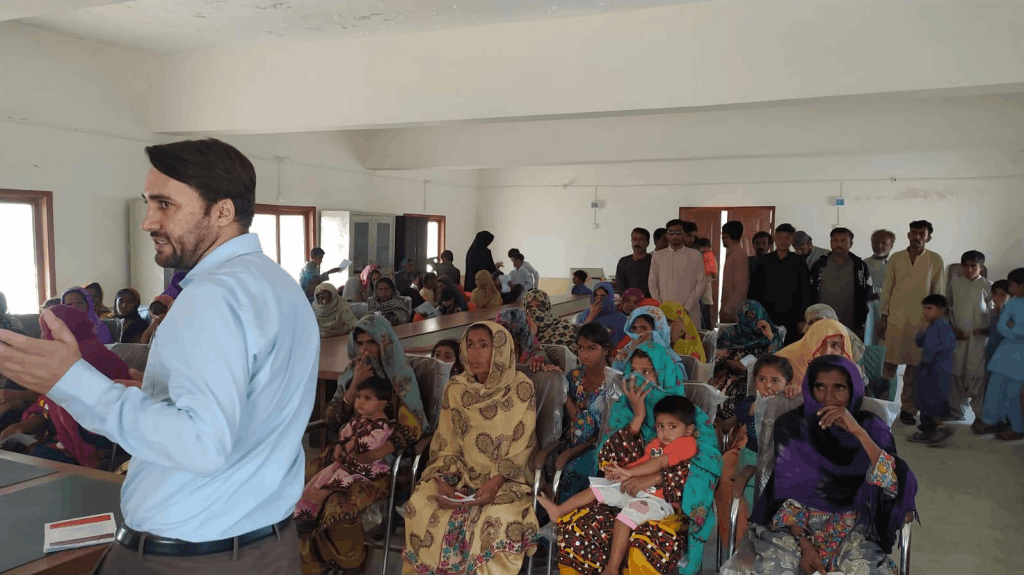
- Date: May 2024
MGF, in collaboration with the GMHCP network and the Burn Care Centre, PIMS, organised a high-level event to propose a National Burns Day in Pakistan.
This initiative, part of the NIHR-funded Burns Rehabilitation Programme (NIHR203082), brought together burn surgeons, mental health professionals, and policymakers. A resolution was signed by all stakeholders to be presented to the Parliament of Pakistan, marking a significant step in raising national awareness for burn care and prevention.
Mentorship & Supervision
Mentorship is at the heart of GMHCP’s mission. Led by Professor Nusrat Husain, Director of GMHCP, and a global network of senior academics, our programmes support early- and mid-career researchers in developing essential leadership skills and research confidence.
Through one-to-one and group supervision, participants receive tailored guidance on research design, grant writing, publication, and career development. Our structure ensures equitable participation and recognises the diverse contexts in which our mentees work, fostering a truly global community of practice.
Fellowship & Exchange: NIHR SPARC Award
A core component of our mentorship is facilitating international exchange. Recently, Miss Sehrish Tofique and Miss Humaira Khalid from our partner PILL visited the MGF office in London as part of the NIHR Global Health Research Short Placement Award for Research Collaboration (SPARC).
This two-and-a-half-month placement, a direct result of our GMHCP network, focused on strengthening the NIHR fellowship, exploring projects of mutual interest, and solidifying future collaborations with UK-based teams, including the East London NHS Foundation Trust.
A Journey of Living and Learning at Yale
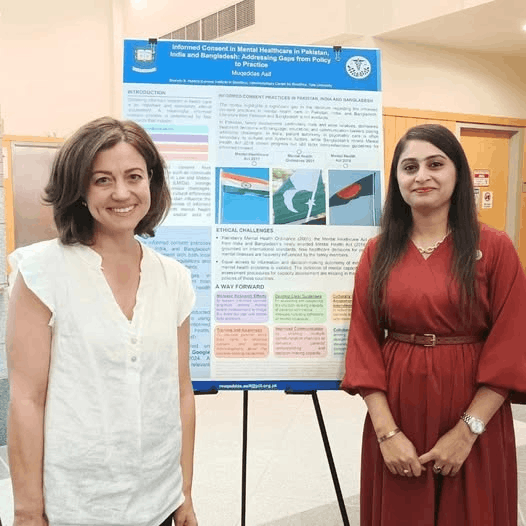
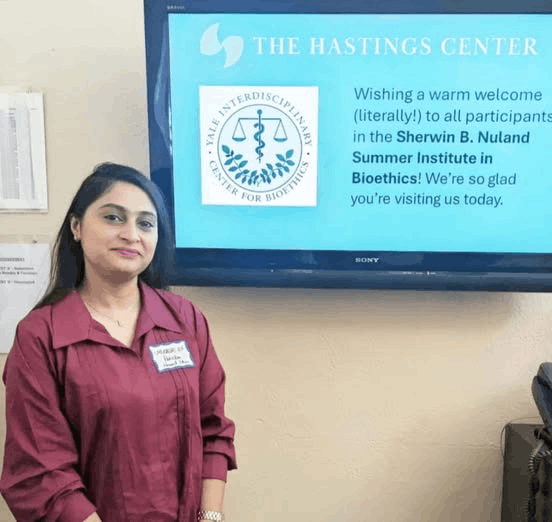
In June 2024, Muqaddas Asif, sponsored by PILL as part of our GMHCP partnership, attended the intensive Bioethics Summer Programme at the Interdisciplinary Centre for Bioethics, Yale University.
This experience provided an invaluable networking opportunity and a deep dive into critical thinking on topics from end-of-life care to the ethics of AI. The journey culminated in a poster session at the Yale School of Medicine, where Muqaddas presented her work on: “Informed Consent in Mental Healthcare in Pakistan, India, and Bangladesh: Addressing Gaps from Policy to Practice.”
Reflecting on the journey, Muqaddas noted the profound emphasis on critical thinking and societal impact, stating she returned with “a deeper understanding of bioethics, a broader perspective on global issues, and a renewed passion for making a difference in my field.”
Leadership & Recognition
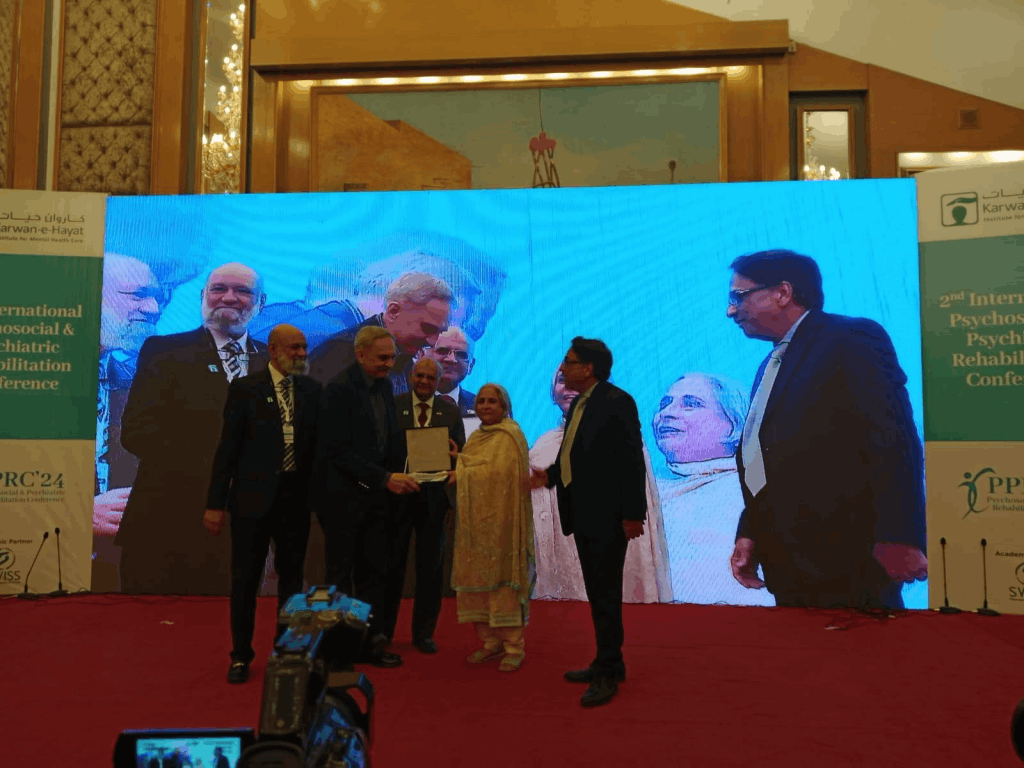
We are incredibly proud that Professor Imran Chaudhry, a key consultant and mentor within our GMHCP, MGF, and PILL network, received the “Lifetime Achievement Award” from the Sindh, Pakistan Health Minister, Dr. Azra Pechuho. This prestigious award was given for his excellence in mental health services and is a testament to the profound impact of the leaders guiding our capacity-building programmes.
Collaborations & Network
We are incredibly proud that Professor Imran Chaudhry, a key consultant and mentor within our GMHCP, MGF, and PILL network, received the “Lifetime Achievement Award” from the Sindh, Pakistan Health Minister, Dr. Azra Pechuho. This prestigious award was given for his excellence in mental health services and is a testament to the profound impact of the leaders guiding our capacity-building programmes.
Our Key Partners
- Pakistan Institute of Living and Learning (PILL)A key strategic partner for advancing research and training in South Asia. PILL co-hosts numerous capacity-building programmes with GMHCP and is home to the Global Ethics Learning Hub (GELH).
- Manchester Global Foundation (MGF)Operating under the motto “Local Impact, Global Change,” MGF is a vital partner that helps execute and host our initiatives, aiming to strengthen the capacities of health institutions in LMICs.
- Ethnic Health Forum (EHF)A key collaborator based in Manchester, EHF works to address health inequalities for minority ethnic communities, running a Research Capacity and Capability Programme and partnering on key policy initiatives.
Policy & Institutional Collaboration
We bridge the gap between research and policy by engaging directly with government bodies and institutional leaders. Highlights include:
- High-level meetings with the Honourable Sindh Health Minister, Dr. Azra Fazal Pechuho, to discuss the adoption of the Sindh Mental Health Policy and the implementation of a Substance Misuse Policy Framework.
- Partnership with the Dachung Musa Bagos Foundation in Nigeria to co-design scalable, community-based mental health interventions.
- Formal collaborations with the Federal Medical Centre in Abuja, Nigeria, to develop new strategies for mental health support.
- Expanding the GMHCP network into the Middle East and North African (MENA) region, in partnership with the Ethnic Health Forum (EHF). A recent visit to the University of Jordan (Nov 2024) established plans for a future mental health conference in Amman.
- Engagement with NIHR Global Health Research Units to enhance research quality and ethical governance across projects.
- Forging new partnerships with Taskeen in Pakistan to create a new consortium for excellence in research and training.
- Establishing formal accreditations with the Open College Network (OCN) and membership with the Freire Institute to expand access to certified education.
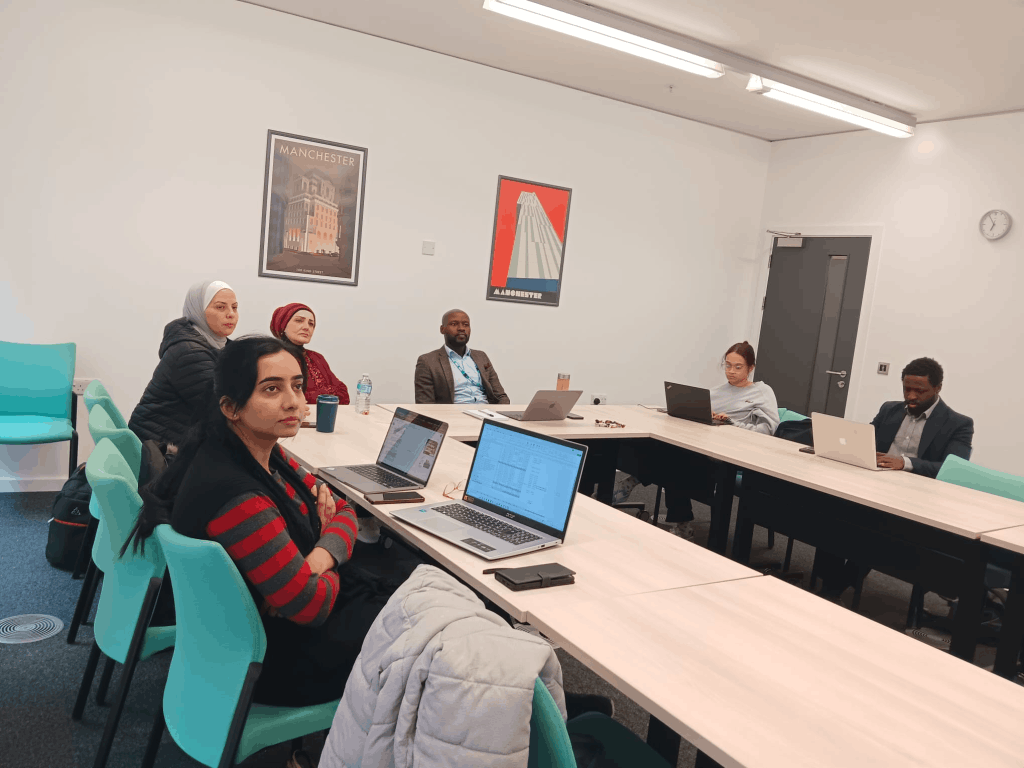
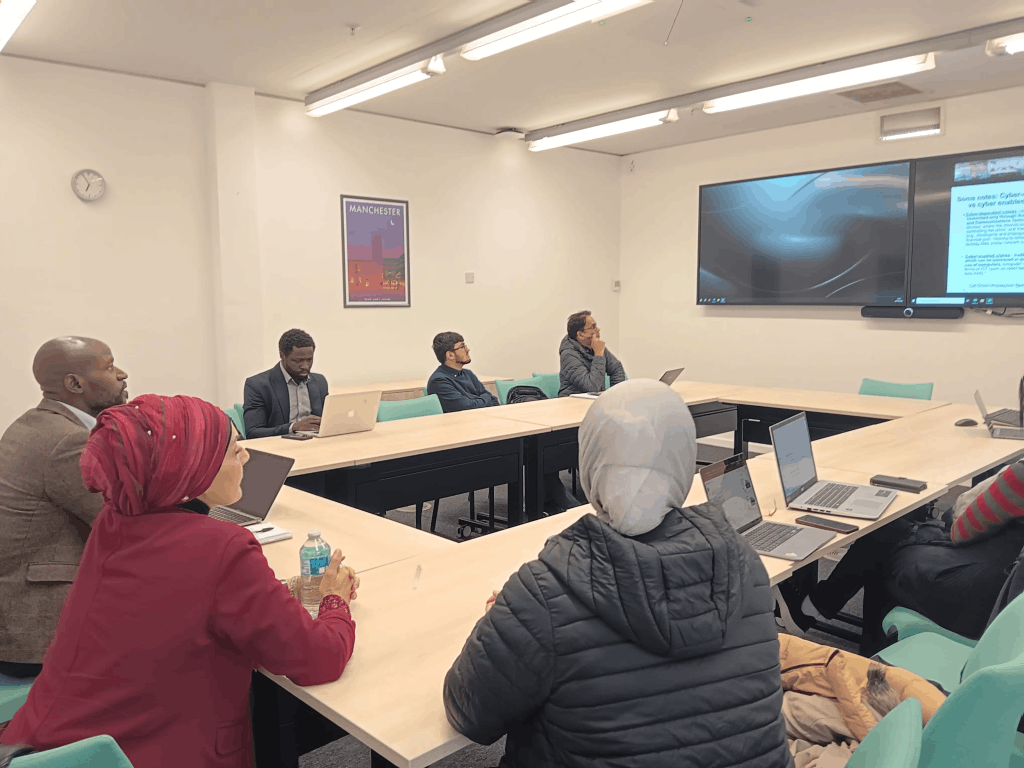
Collaboration Visit - May 2025
In December 2024, Rima Nserat, Arab World Research Coordinator, met with Dr Suzan Matar, Associate Professor of Medical Microbiology and Immunology at The University of Jordan, during a visit to Jordan. In this meeting, Rima invited Dr Matar to visit Manchester and meet with the research groups at MGF and GMHCP.
Further to the invitation earlier, Dr Suzan Matar visited the MGF office in May 2025 and met with members of the research group at the University of Manchester.
During her visit, Dr Matar attended a Journal Club meeting led by Dr Dung Jidong. The visit provided Dr Matar with valuable insights into the ongoing research activities at both MGF and GMHCP. She engaged in in-depth discussions on the interconnections between microbiology, immunology, psychiatry, and neural system diseases, exploring avenues for interdisciplinary research and collaboration. Dr Matar also expressed her keen interest in joining the Biomedical Science Research Group and contributing to future systematic review initiatives.
The visit concluded with a dinner held in Dr Matar’s honour, attended by representatives of the research group. The event marked the conclusion of a productive exchange and laid the groundwork for forthcoming collaborative activities between the University of Jordan and GMHCP. Dr Matar departed Manchester with plans for continued engagement and the development of joint research projects soon.
Resources
We offer a growing repository of open-access resources to support ongoing learning and development. These materials are designed to help practitioners apply best practices in their own settings.
Cultural Adaptation Toolkit
Developed with PILL and the University of Manchester, this toolkit provides a practical framework for adapting psychological therapies to be effective and appropriate across different cultural contexts. It is a cornerstone of our training programmes.
Implementation Science Guide for Mental Health
This guide supports the effective translation of research evidence into real-world practice, a critical step for improving mental health services in LMIC contexts. It provides models for overcoming barriers to implementation.
Ethics and Governance Manual
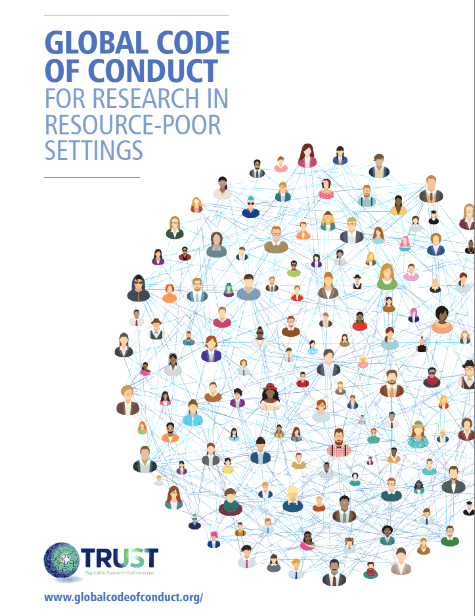
Outlining key principles for ethical global collaborative research, this manual ensures all our partnerships are built on a foundation of respect, equity, and robust governance.
Impact Stories
Our impact is reflected in the people we train and the systems we strengthen. These stories highlight the real-world difference our capacity-building programmes make in communities worldwide.
Trainee Testimonial: Jos, Nigeria
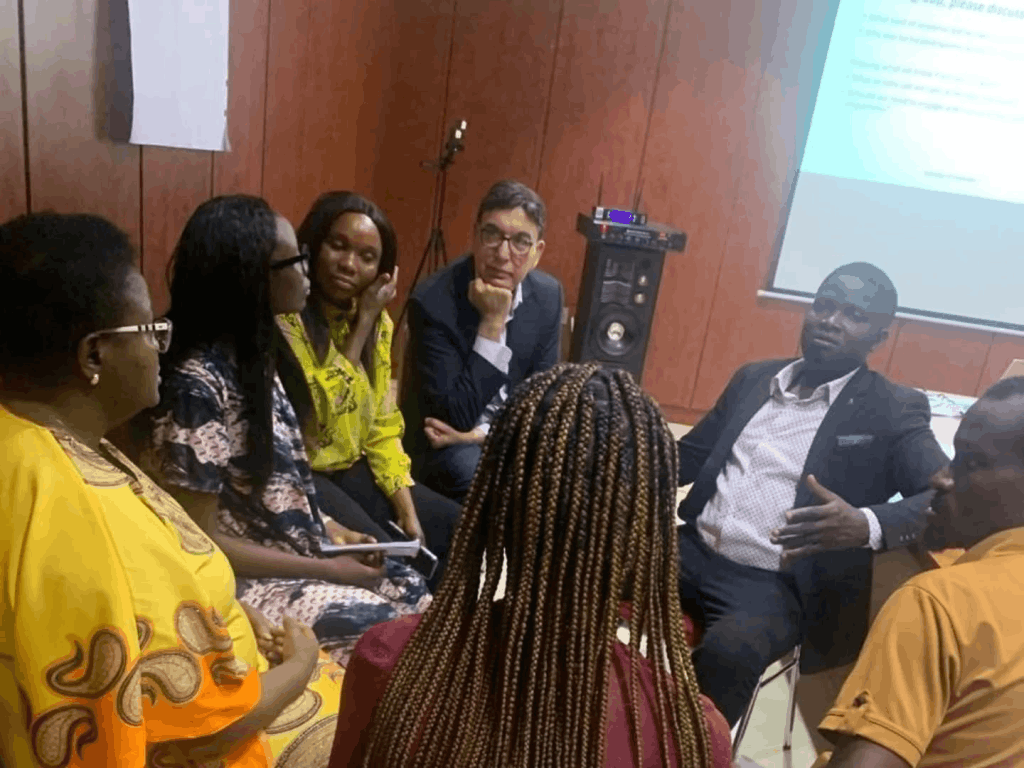
“I really enjoyed the training and learned a lot of ways to teach children. This is very beneficial to my career as a teacher. I would like to take this opportunity to thank you and the Manchester Global Foundation for sponsoring this training for us… We also plan to involve parents, teachers, religious and community leaders in upcoming sessions, which will further strengthen our efforts.”
– A Trainee Teacher, Children’s Mental Well-being Programme, Jos
From Training to Practice: Pakistan
Training alumni in Pakistan, having received mentorship from our partners at PILL, are now successfully establishing and running local counselling centres, bringing vital mental health services directly to their communities.
Global Recognition: Kenya
After attending GMHCP grant writing and research workshops, early-career researchers from Kenya have successfully presented their first global papers at international conferences, contributing new knowledge to the field.
Cross-Country Collaboration: UK & Bangladesh
A cross-country mentorship programme between GMHCP researchers in the UK and a new team in Bangladesh has resulted in several co-authored publications, demonstrating the power of our collaborative network to produce high-impact research.
Trainee Testimonial: Caribbean
“My time with MGF has been incredibly rewarding… I was welcomed into a community that values innovation, research collaboration, and continuous capacity and capability building of upcoming early career researchers like myself. The support and mentorship I have received have been instrumental in enhancing my research skills… Looking ahead, I am confident that the skills and insights gained through my involvement with MGF will be a cornerstone of my future career.”
– Evangelyn Ebi Ayobi, Early Career Researcher
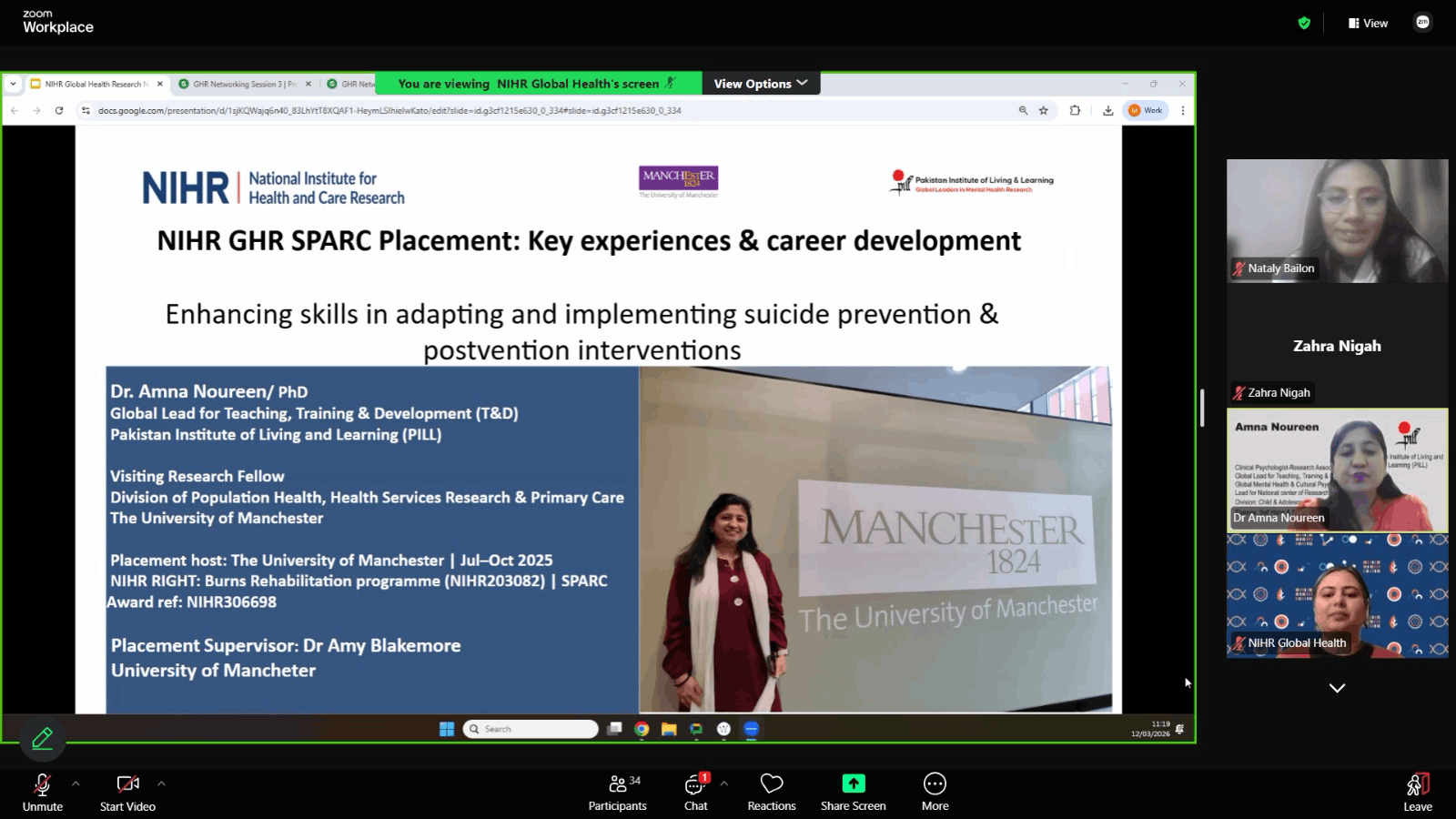
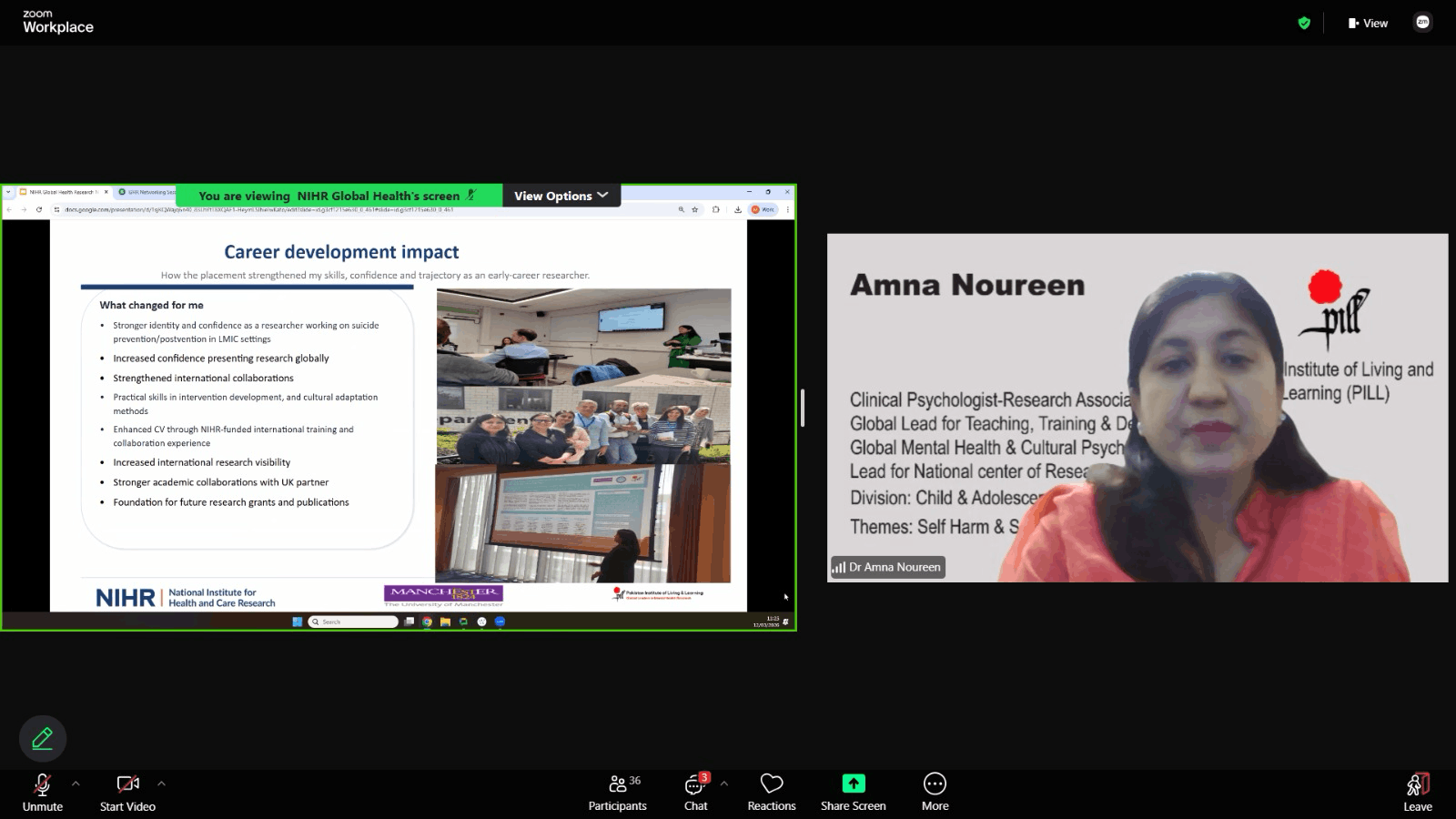
Dr Amna Noureen Shares Her NIHR SPARC Experience at Global Networking Session
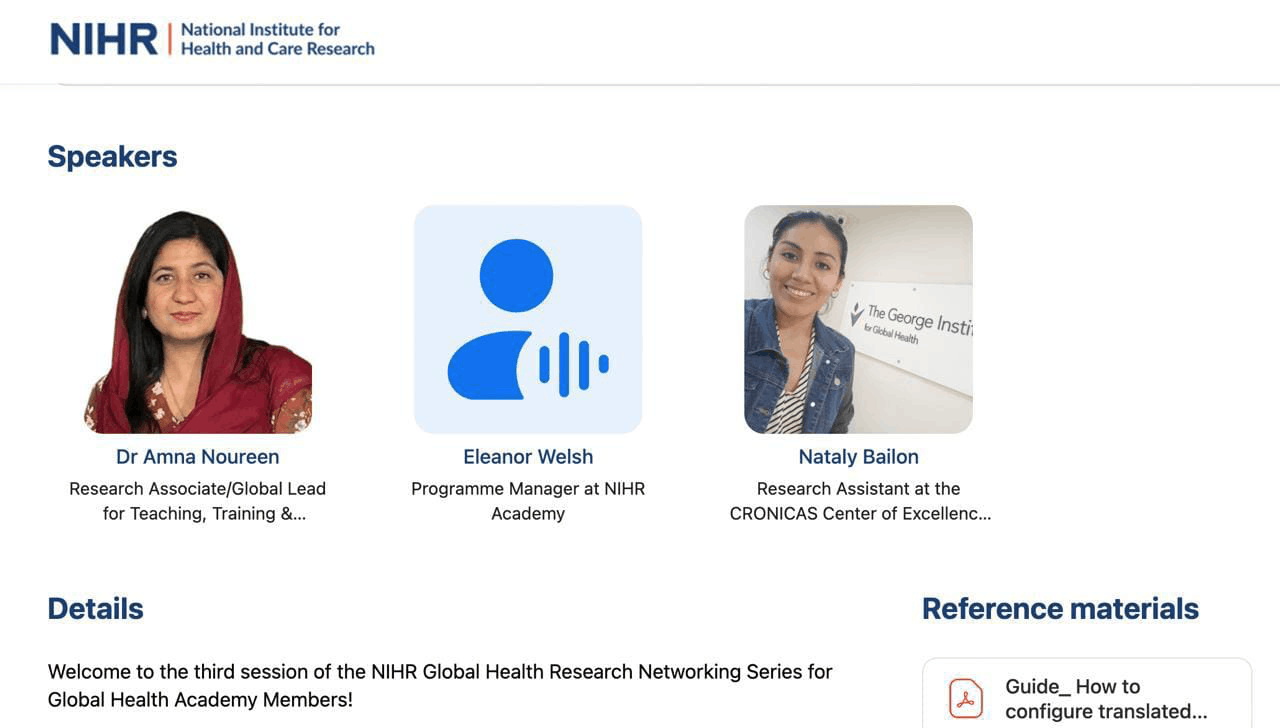
We are delighted to share that Dr Amna Noureen participated as an invited speaker at the NIHR Global Health Research SPARC Networking Session, held on 12 March 2026.
During the session, Dr Noureen reflected on her experience as an NIHR Global Health Research Short Placement Award for Research Collaboration (SPARC) awardee, highlighting how the placement has contributed to her professional growth and career development in global health research.
In her presentation, she shared key insights from her SPARC placement, describing how the experience strengthened her research capacity, expanded opportunities for international collaboration, and enhanced her skills in conducting and leading global health research. She also discussed the value of working with international research partners and the lasting impact the placement has had on her academic and professional journey.
In addition to her presentation, Dr Noureen facilitated the networking session, creating opportunities for participants to connect, exchange ideas, and explore future collaborations. The event brought together more than 35 researchers and professionals from across the world, representing a wide range of NIHR Global Health Research Programmes. The session provided a valuable platform for knowledge sharing, peer learning, and strengthening international research networks.
Dr Noureen’s participation reflects her ongoing commitment to advancing global mental health research, research capacity strengthening, and international collaboration. Her presentation was warmly received by participants and the NIHR Global Health team, recognising the value of sharing lived experiences and lessons learned from the SPARC programme.
We congratulate Dr Noureen on this achievement and look forward to her continued contributions to global health research and capacity building.