PPIE
Involving Voices. Shaping Research. Creating Impact.
PPIE & Community Engagement
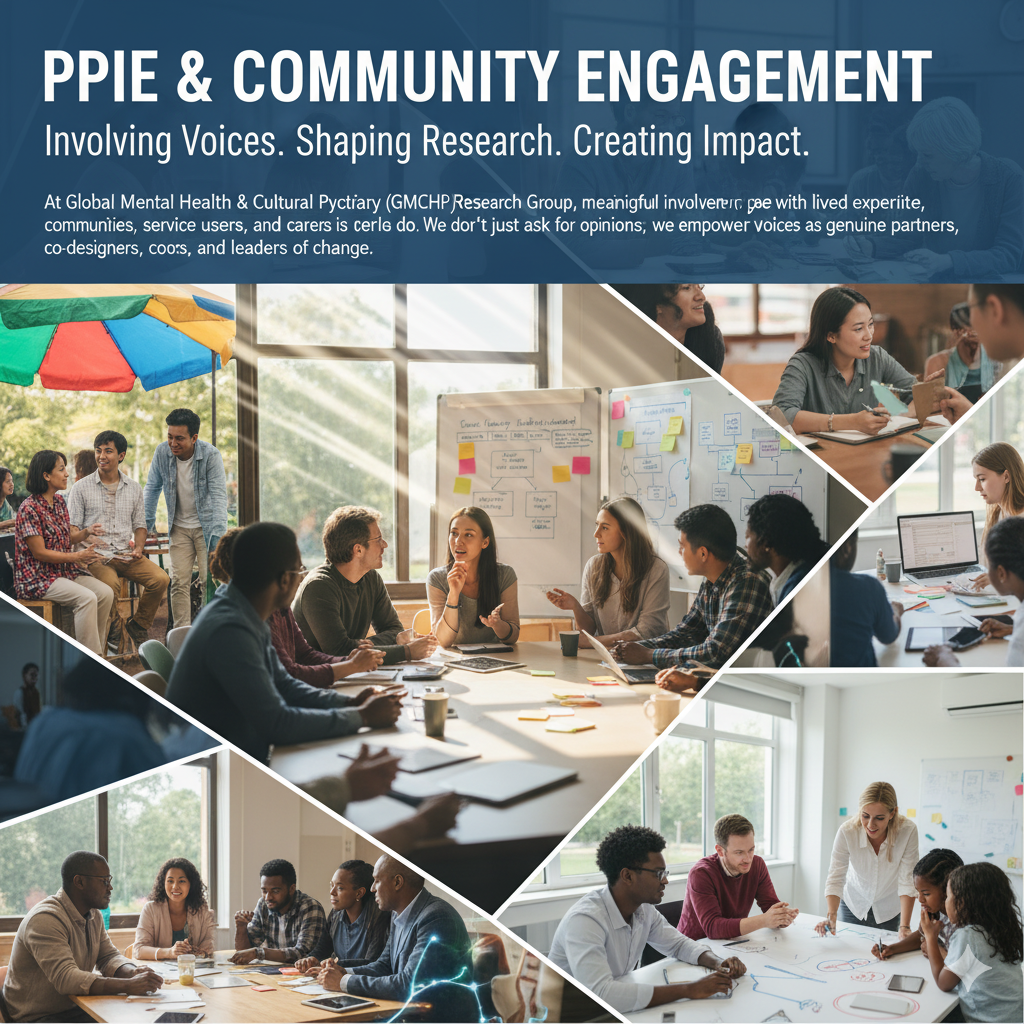
At the Global Mental Health & Cultural Psychiatry (GMCHP) Research Group, meaningful involvement of people with lived expertise, communities, service users, and carers is central to everything we do. We don’t just ask for opinions; we empower these voices as genuine partners, co-designers, and leaders of change.
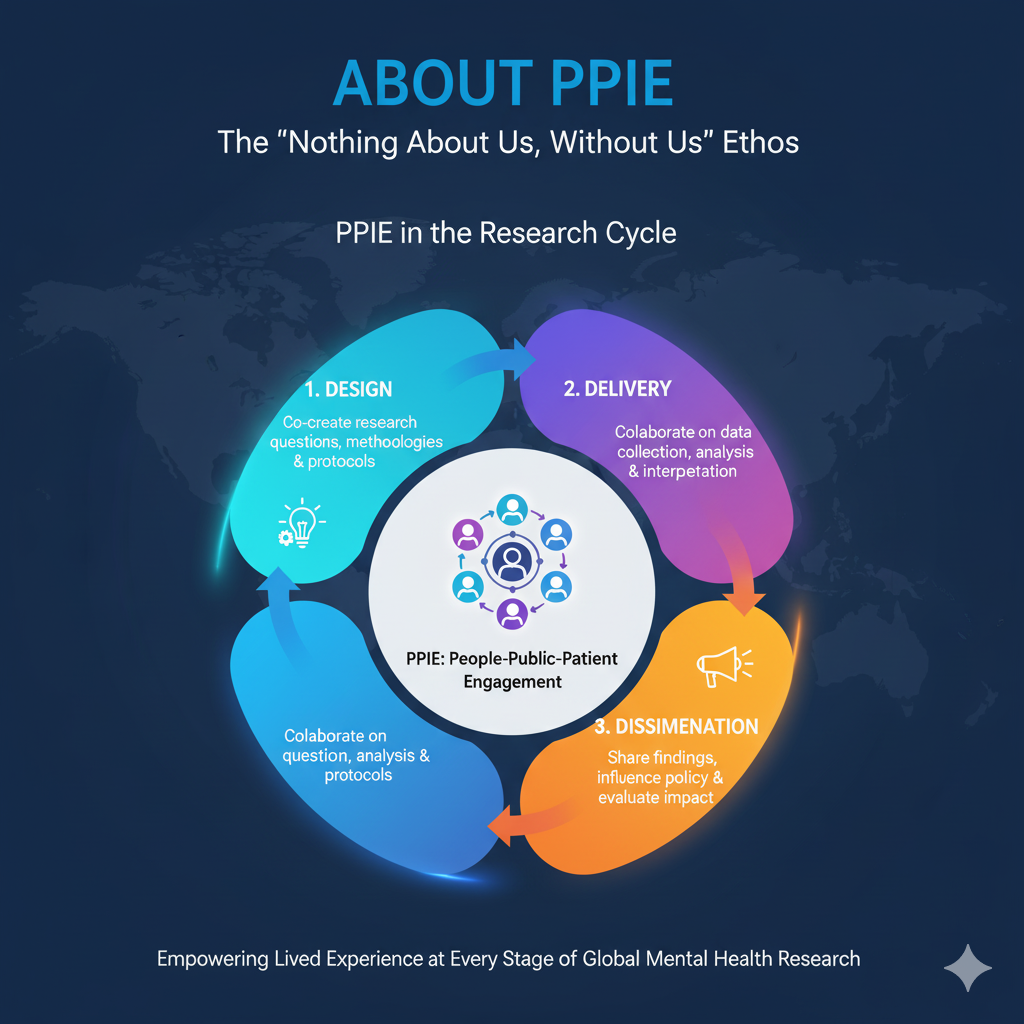
The 'Nothing About Us, Without Us' Ethos
Core Purpose: Our research must genuinely reflect the needs, values, and diverse voices of the communities it aims to serve, making it relevant and impactful.
Involvement (PPI): Research carried out ‘with’ or ‘by’ the public, where individuals actively influence the design, conduct, and management of a study. This is partnership at its highest level.
Engagement (PPE & CEI): Focuses on sharing information and knowledge about research and its findings to build public understanding and trust, often involving two-way dialogue with the community.
Our Guiding Principles
- Integration:Embedding lived experience into every stage of the research process, from initial priority-setting to final implementation.
- Inclusion & Equity:Amplifying underrepresented voices, especially from LMICs and marginalised communities across Greater Manchester and globally.
- Respect & Transparency:Ensuring all contributions are valued, recognised, and that communication remains open throughout the research lifecycle.
- Reciprocity:Ensuring that the involvement process is mutually beneficial, offering contributors support, payment, and learning opportunities.
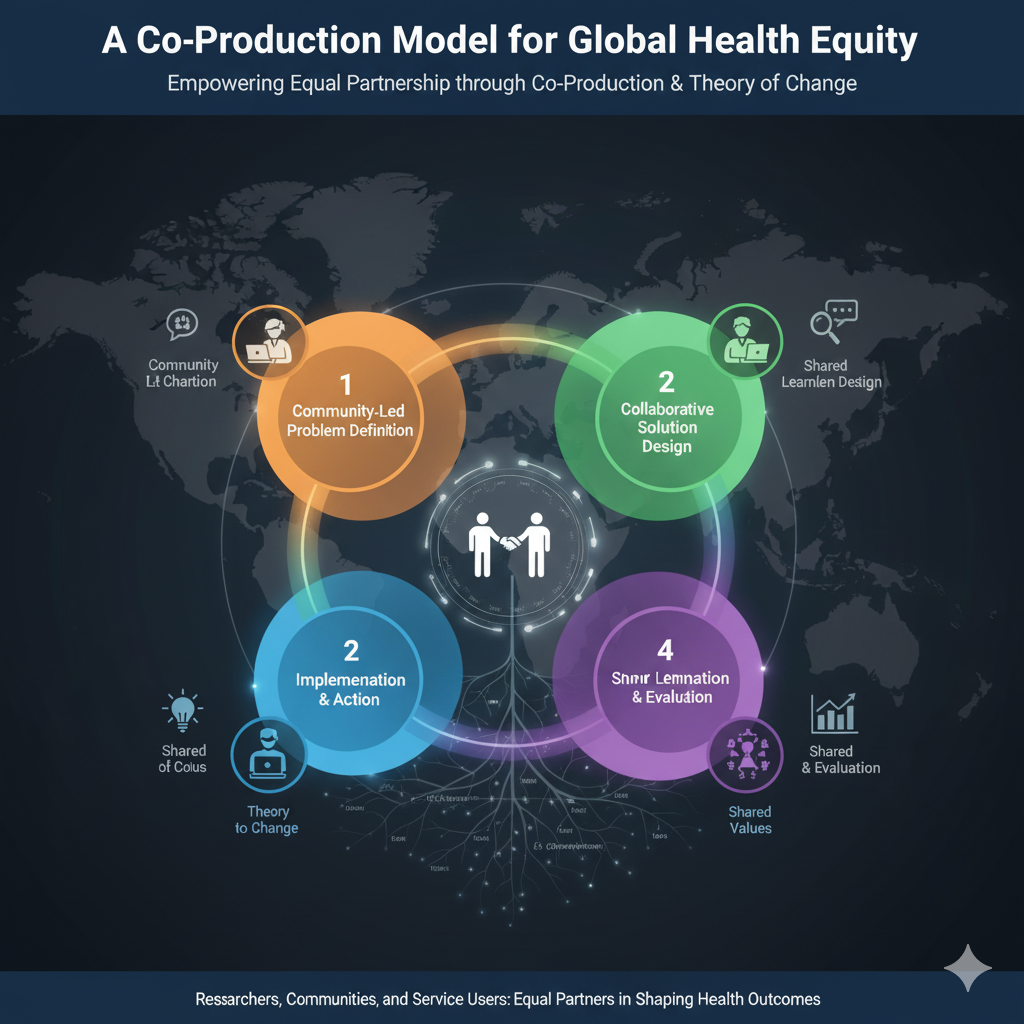
A Co-Production Model for Global Health Equity
We move beyond consultation to embrace full co-production, treating community members and service users as equal partners. Our methodological framework, heavily influenced by the Theory of Change (ToC) approach, ensures PPIE is embedded, not merely an add-on.
The Five Pillars of Collaborative Research
- Co-production: Partnership in design and delivery for real-world needs.
- Cultural Sensitivity: Tailoring methods to reflect local values and social contexts.
- Capacity Building: Training and mentorship for researchers and community partners.
- Theory of Change: Mapping activities to long-term policy and practice outcomes.
- Accountability: Sharing outcomes clearly and honouring contributor expertise.
Co-Designing Research Across the Globe
Our PPIE approach is dynamic, adapting to local contexts across the UK, South Asia, and Africa. We ensure every engagement upholds core values of collaboration and respect
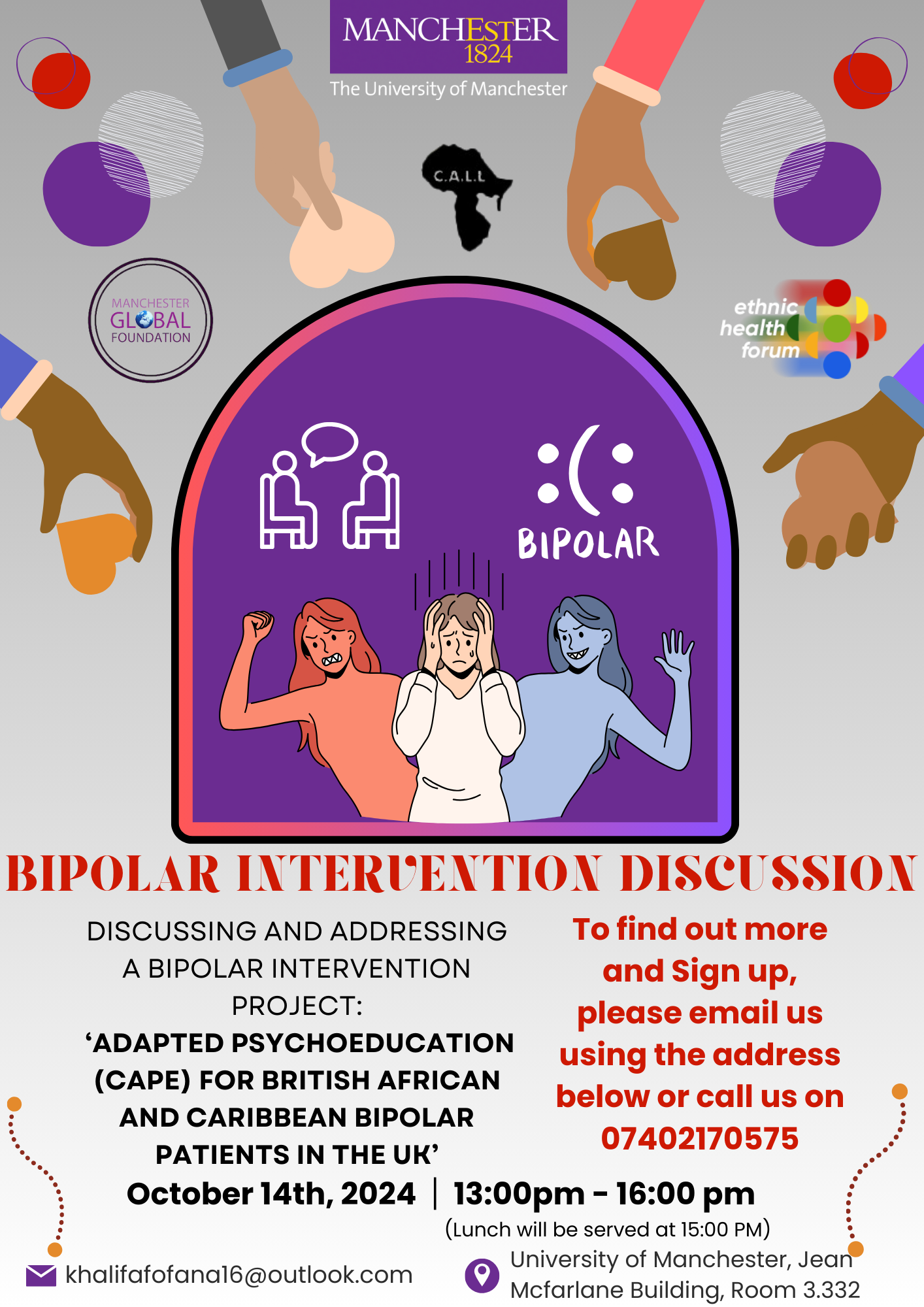
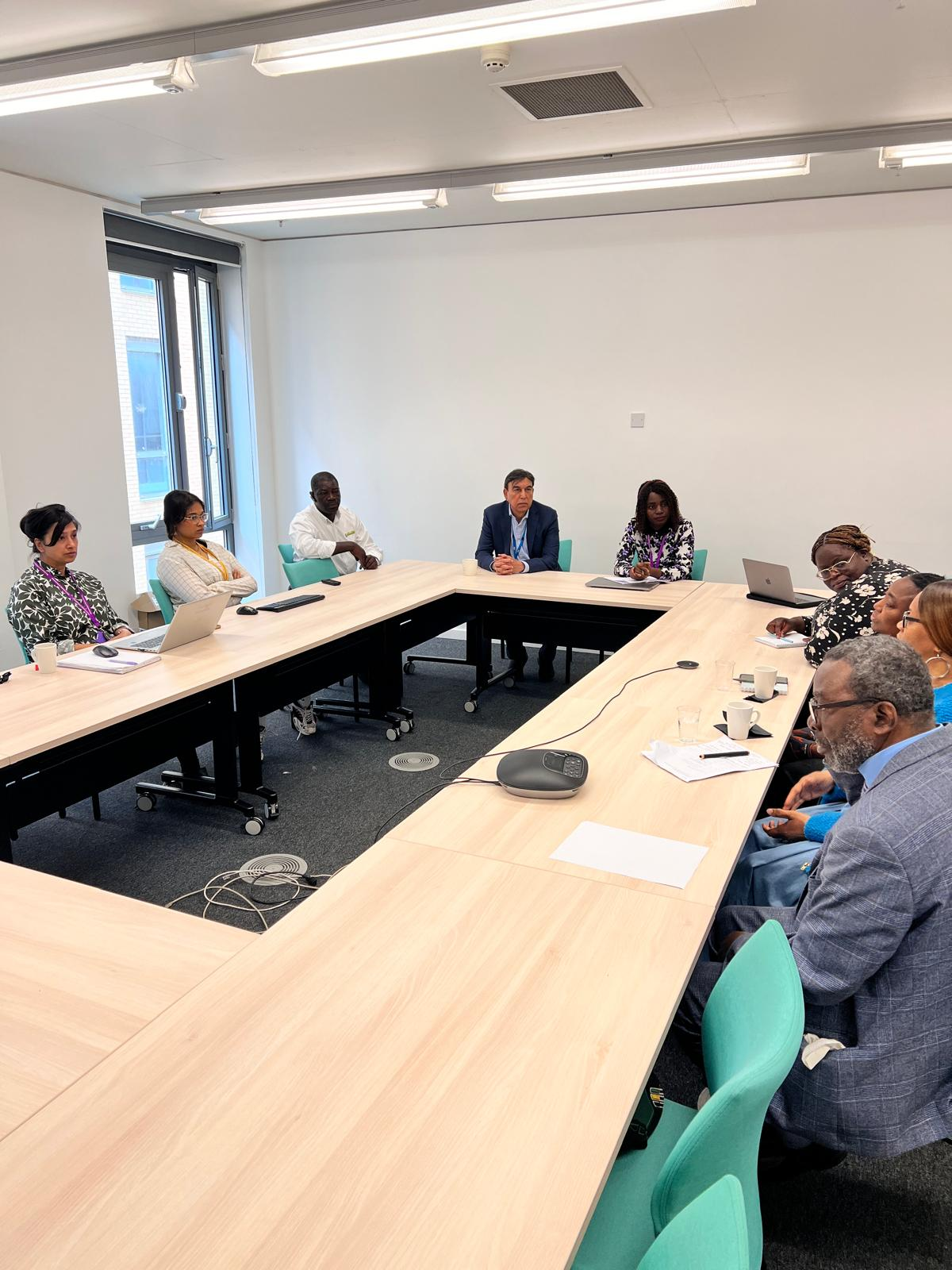
Culturally Adapted Bipolar Intervention Discussion (UK)
- Collaboration: Ethnic Health Forum, Caribbean and African Health Network, and GMCHP
- Summary: A powerful conversation exploring culturally adapted psychoeducation for African and Caribbean individuals in Greater Manchester…
- Full Details (Listening, Learning, and Leading: Community Reflections, March 13, 2025): This powerful session was hosted by The University of Manchester and Ethnic Health Forum, in collaboration with the Caribbean and African Health Network. It welcomed an excellent turnout of participants, including service users, carers, family members, community leaders, and professionals from across Greater Manchester’s African and Caribbean communities. Dr. Dung Jidong and members of the GMHCP team were also present.
○ Key Topics Discussed:
■ The importance of culturally competent mental health care.
■ Personal experiences of stigma and silence around bipolar disorder.
■ Gaps in knowledge and support among family members and carers.
■ The need for visibility, safe spaces, and ongoing collaboration.
○ A participant noted: “This can’t be a one-off. Please stay in touch and let’s build something sustainable.”
○ Outcomes: Outcomes include providing valuable feedback to directly inform the development of culturally relevant psychoeducation resources and strengthening trust. Next steps involve issuing vouchers and travel reimbursements, and planning follow-up visits to build long-term relationships.
Multilingual Community Dialogue: Migration & Stress Management (UK)
- Collaboration: MGF, Ethnic Health Forum, and GMCHP
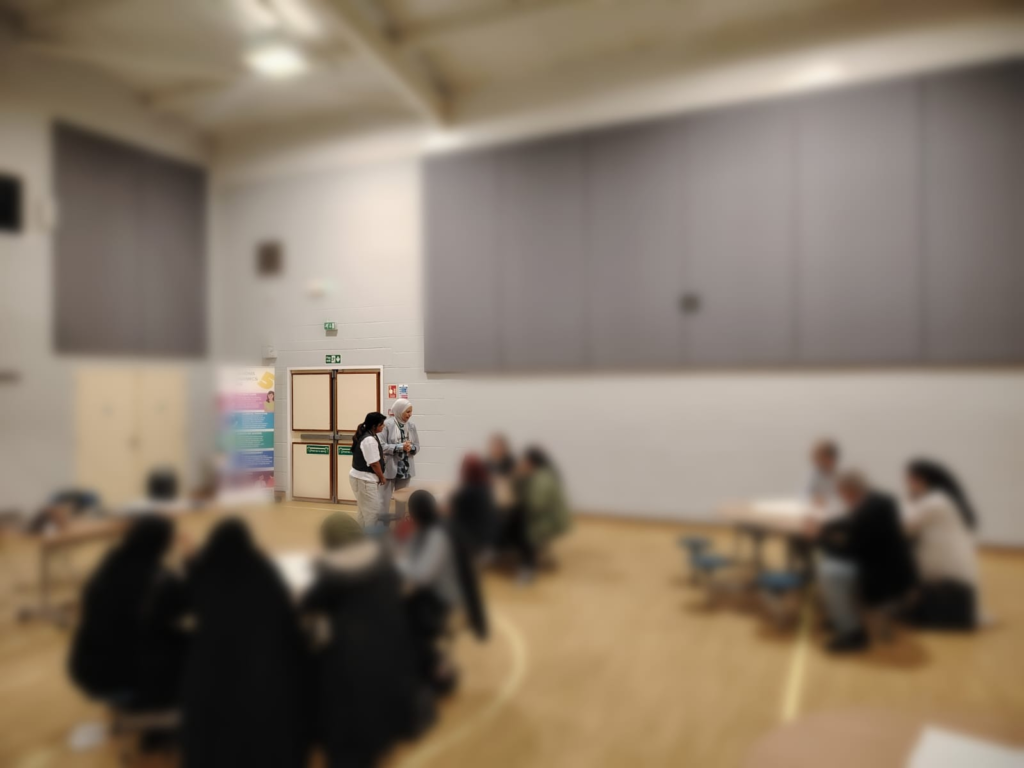
- Summary: The first Global CEIG drop-in in Salford provided a safe, multilingual space for dialogue on mental health challenges related to migration and stress management…
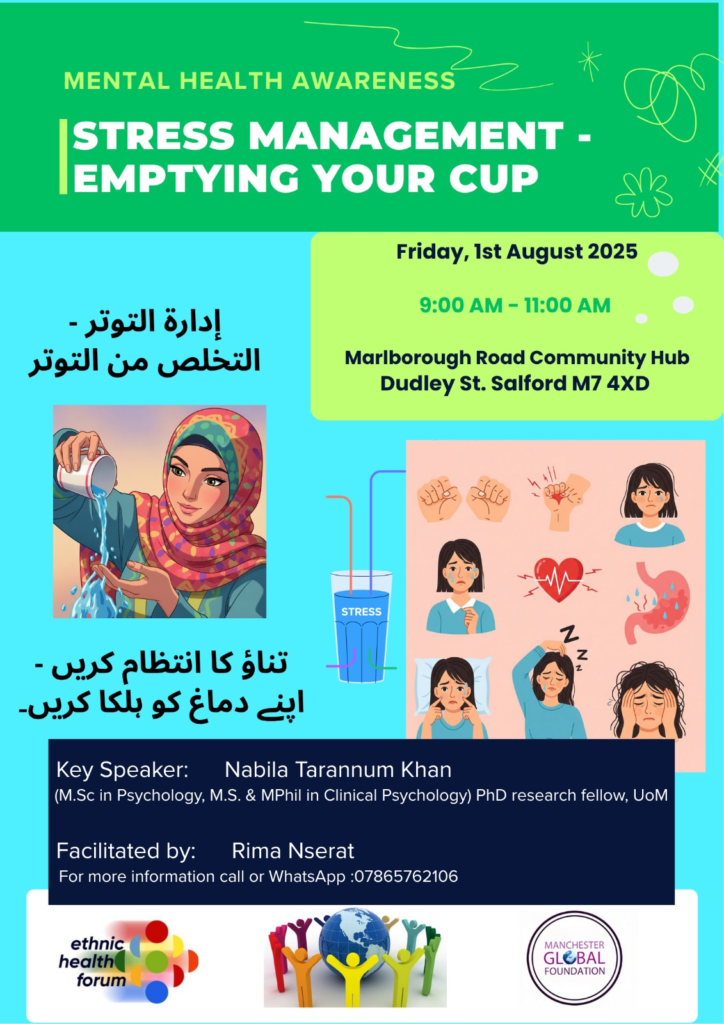
- Full Details (Bringing the Community Together: Migration, Mental Health & Managing Stress, 1st August 2025): This event, the very first gathering of the newly formed Global Community Engagement and Involvement Group (CEIG) in Manchester, was hosted at the warm and welcoming Marlborough Road Community Hub in Salford. It brought together residents, community leaders, and researchers in an open conversation around migration, mental health, and how we manage stress.
○ To ensure everyone felt seen and heard, the session was delivered in English, Arabic, and Urdu, reflecting the diversity of the local communities. The initiative was made possible through the support of the Ethnic Health Forum and Manchester Global Foundation.
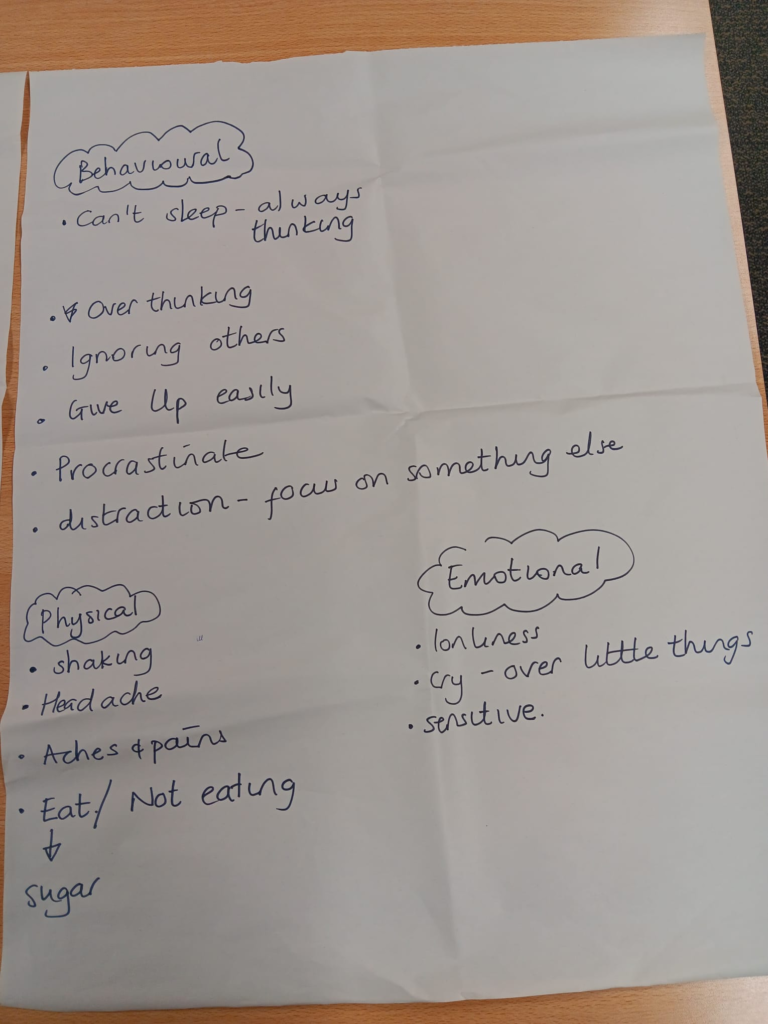
○ Guest Speaker Nabila Tarannum Khan, PhD Research Fellow at the University of Manchester, guided attendees through a reflective session titled “Emptying Your Cup,” focusing on stress recognition, understanding its symptoms, and learning how to create space for emotional well-being. Participants shared stories, completed a simple stress scale, and engaged in a calming breathing technique.
○ What is Next?
■ Host follow-up sessions based on feedback from attendees.
■ Co-create future activities with community members to ensure their voices guide the process.
■ Build partnerships that support long-term engagement and mental well-being.
■ Share learnings with other GCEIG groups and research teams to strengthen community-led research and mental health awareness.
○ Conclusion: This collaborative session was a turning point, affirming the power of culturally sensitive, inclusive engagement and launching a secure and inclusive space for community conversations.
World Mental Health Day: Physical Health & Wellbeing Drop-in (UK)
- Collaboration:MGF, Ethnic Health Forum, and GMCHP
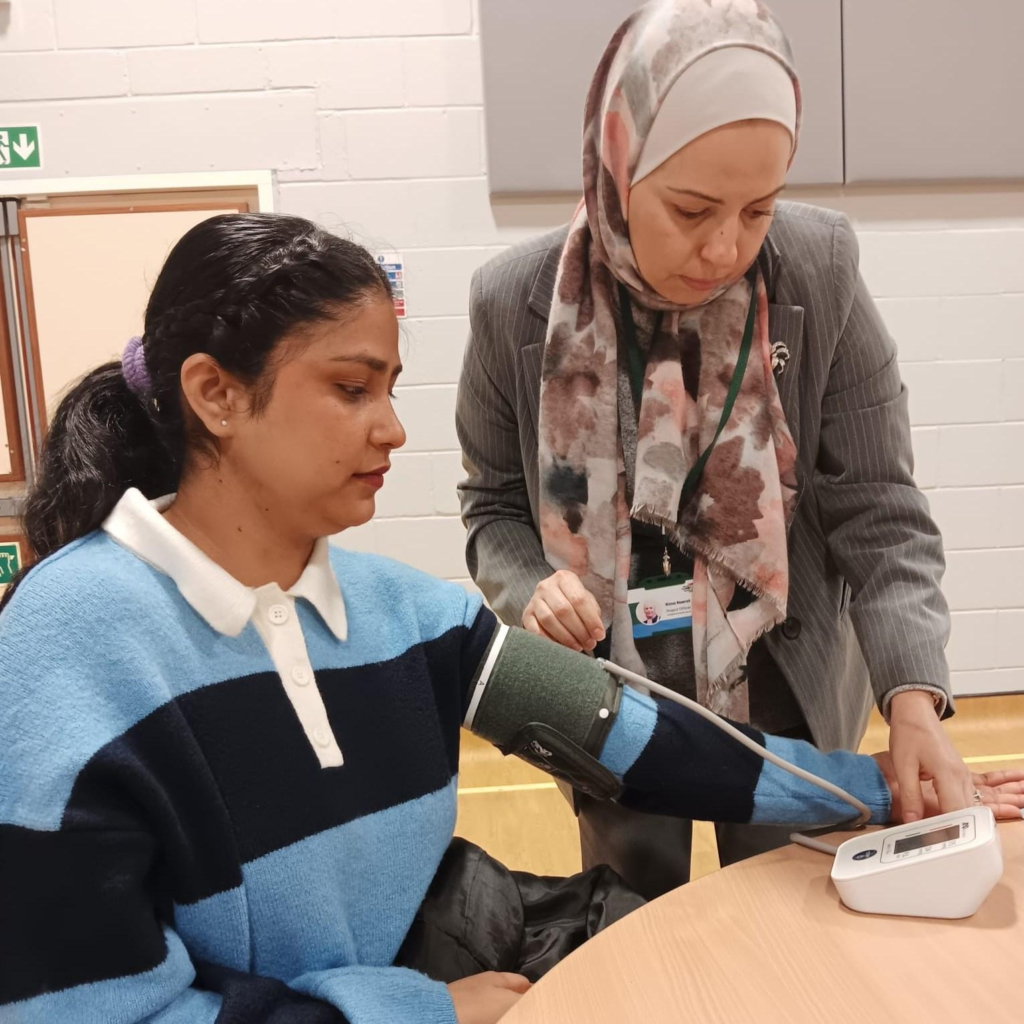
- Summary:A GCEIG session focusing on women from diverse ethnic backgrounds included free blood pressure checks, mental health discussions on caregiving, and essential First Aid Awareness training…
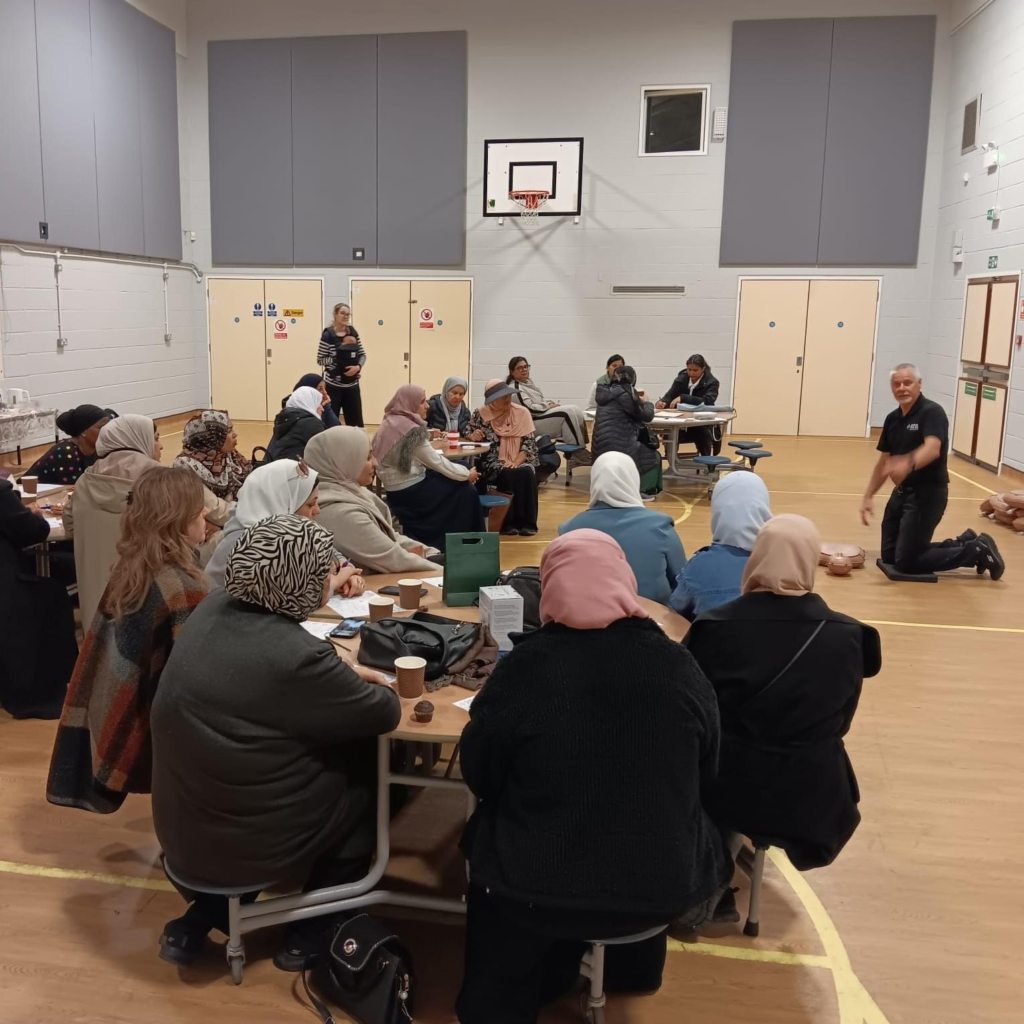
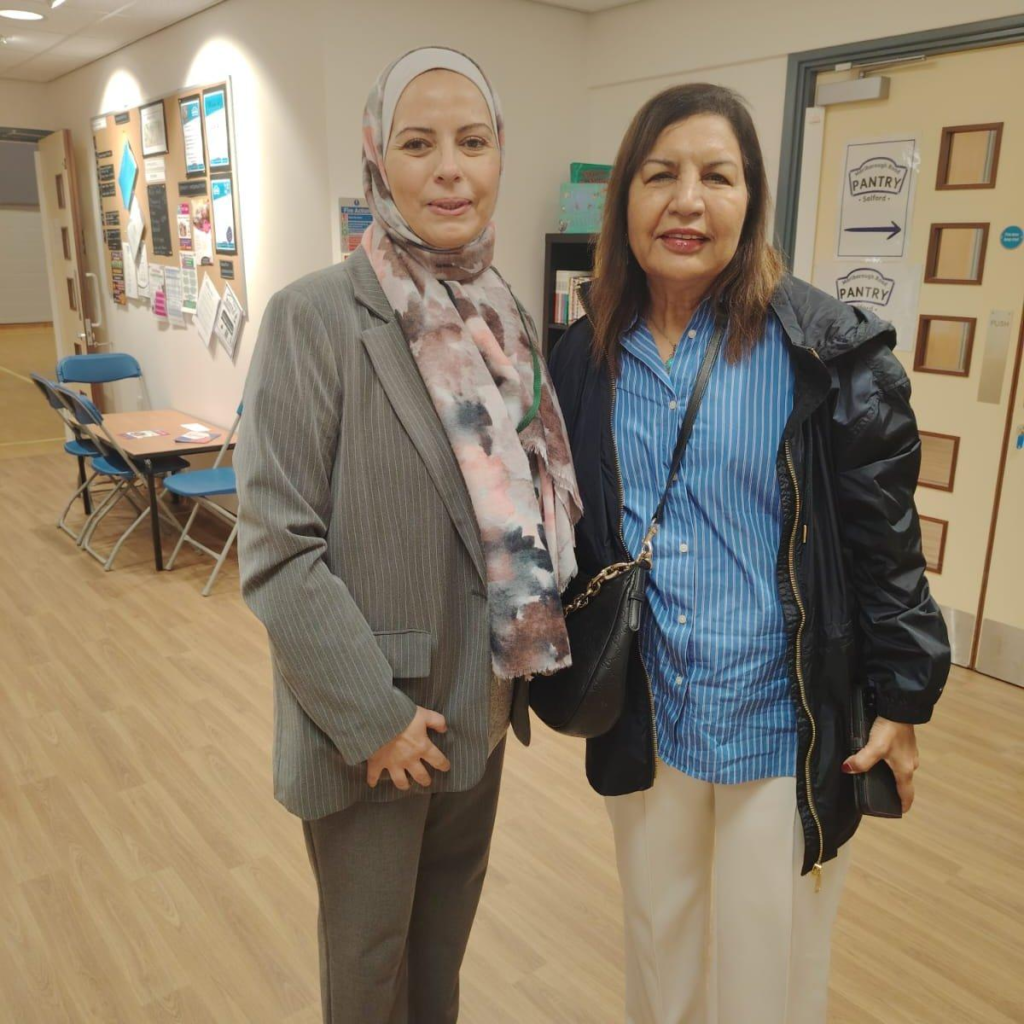
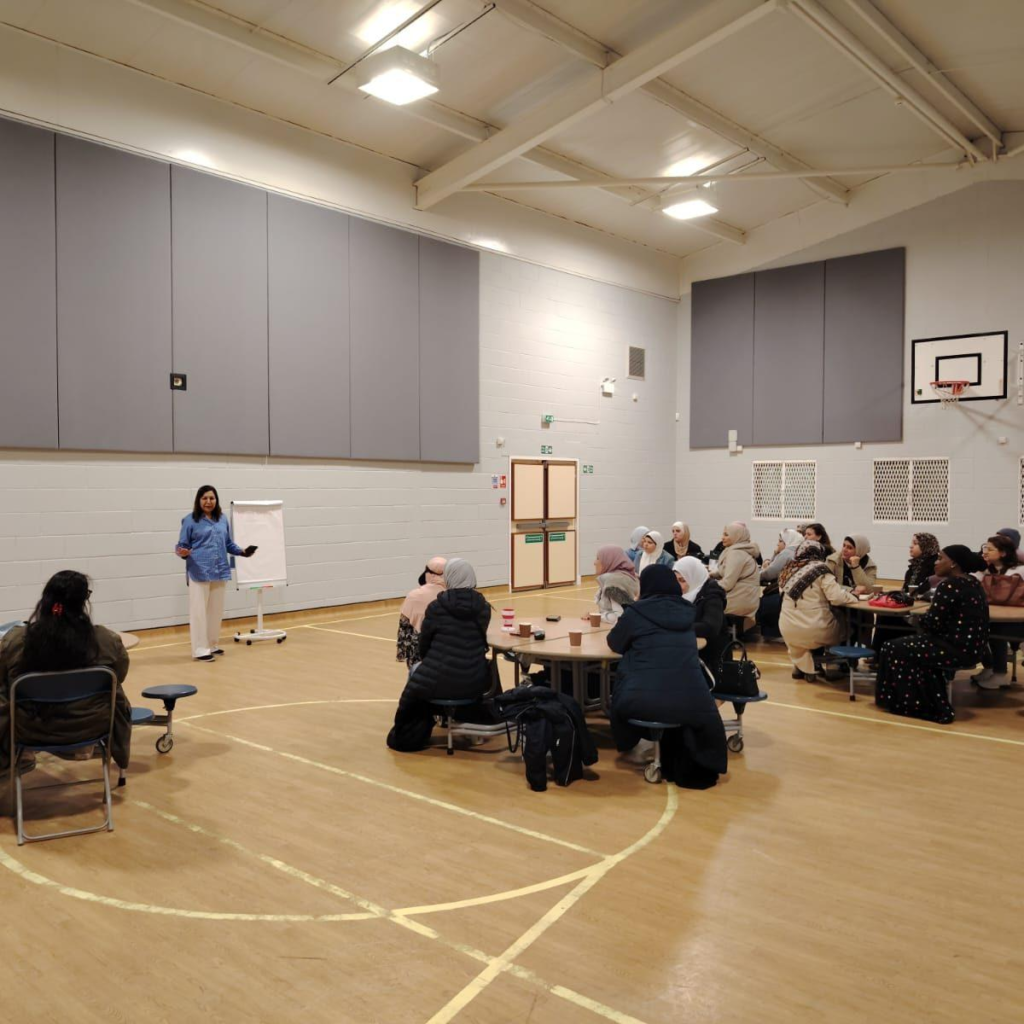
- Full Details (Global CEIG Activity: Health Awareness, Mental Wellbeing, andFirst Aid, 10th October 2025): The Global Community Engagement and Involvement Group (GCEIG) held its October 2025 session at the Marlborough Road Community Hub in Salford. The event was organised by the Manchester Global Foundation (MGF) in collaboration with the Ethnic Health Forum (EHF), led by Dr Rakhshi Mamon (CEO of MGF) and coordinated by Mrs Rima Nserat (Manchester GCEIG Lead).
○ Coinciding with World Mental Health Day, the event began with opening remarks from Dr. Mamon, who emphasized that “there is no health without mental health.” Discussions focused on the importance of mental health, with many participants sharing experiences, particularly around the stresses of being caregivers. Dr. Mamon agreed to facilitate a future session focused specifically on carer mental wellbeing.
○ The event included a free health check-up (blood pressure monitoring), leading to several participants being advised to book GP appointments for follow-up. The second part of the activity was an excellent, interactive session on basic First Aid and life-saving techniques, delivered in collaboration with Cookson First Aid.
○ Conclusion: The session was fully booked with 25 attendees, reflecting high community interest. Feedback was outstanding, with women expressing that they felt more informed, empowered, and supported in their health and personal wellbeing.
○ Key Outcomes/Next Steps:
■ Successful combination of mental health awareness, physical health promotion, and practical skills training.
■ Commitment to host a future session dedicated to carer mental wellbeing.
■ Plans in motion to arrange another session soon due to high demand.
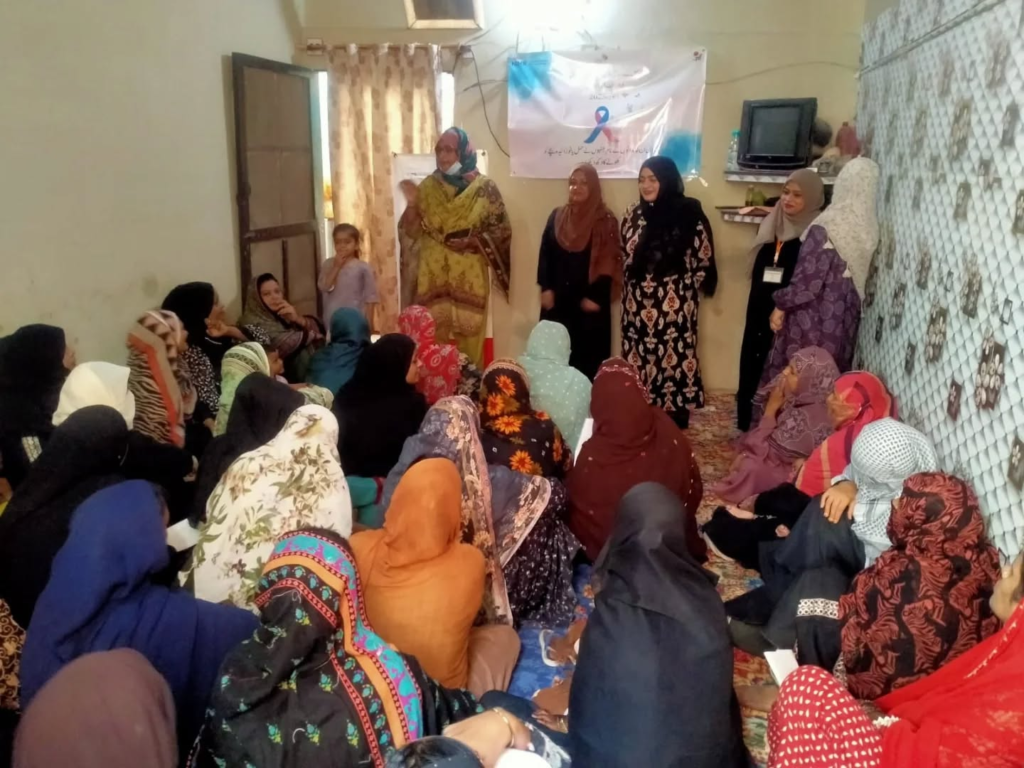
Pregnancy and Infant Loss Remembrance (Karachi)
- Collaboration: PILL and GMCHP
- Summary: An informative awareness session held in Yaro Goth, Karachi, focused on supporting women through the emotional and physical impact of infant loss…
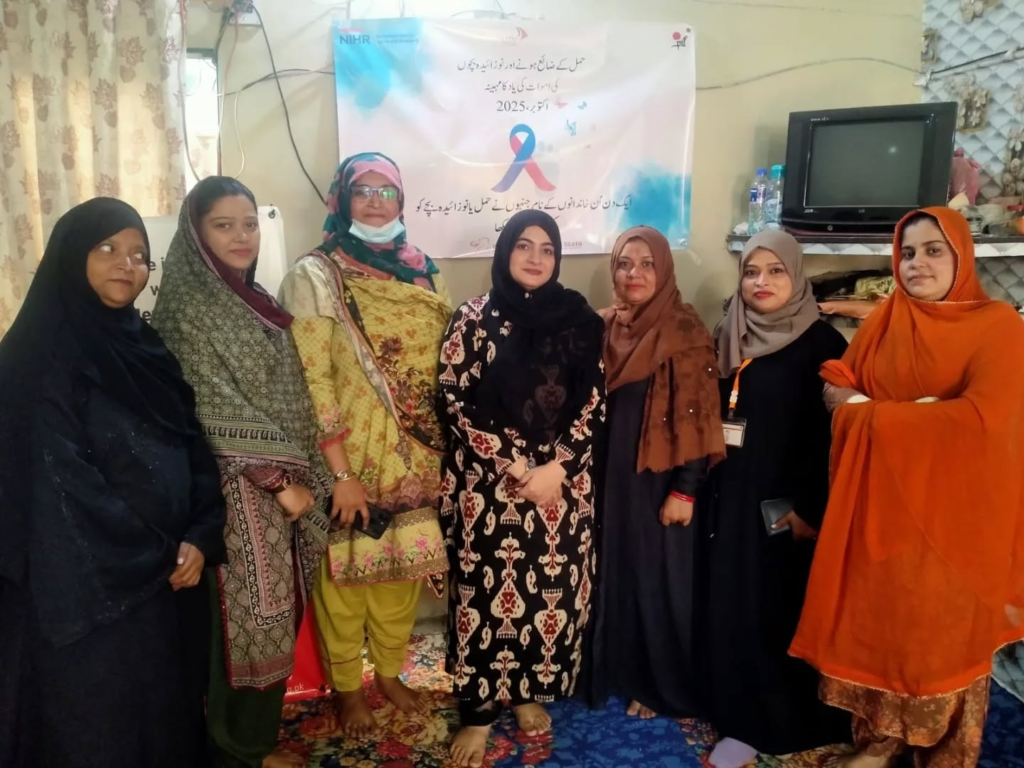
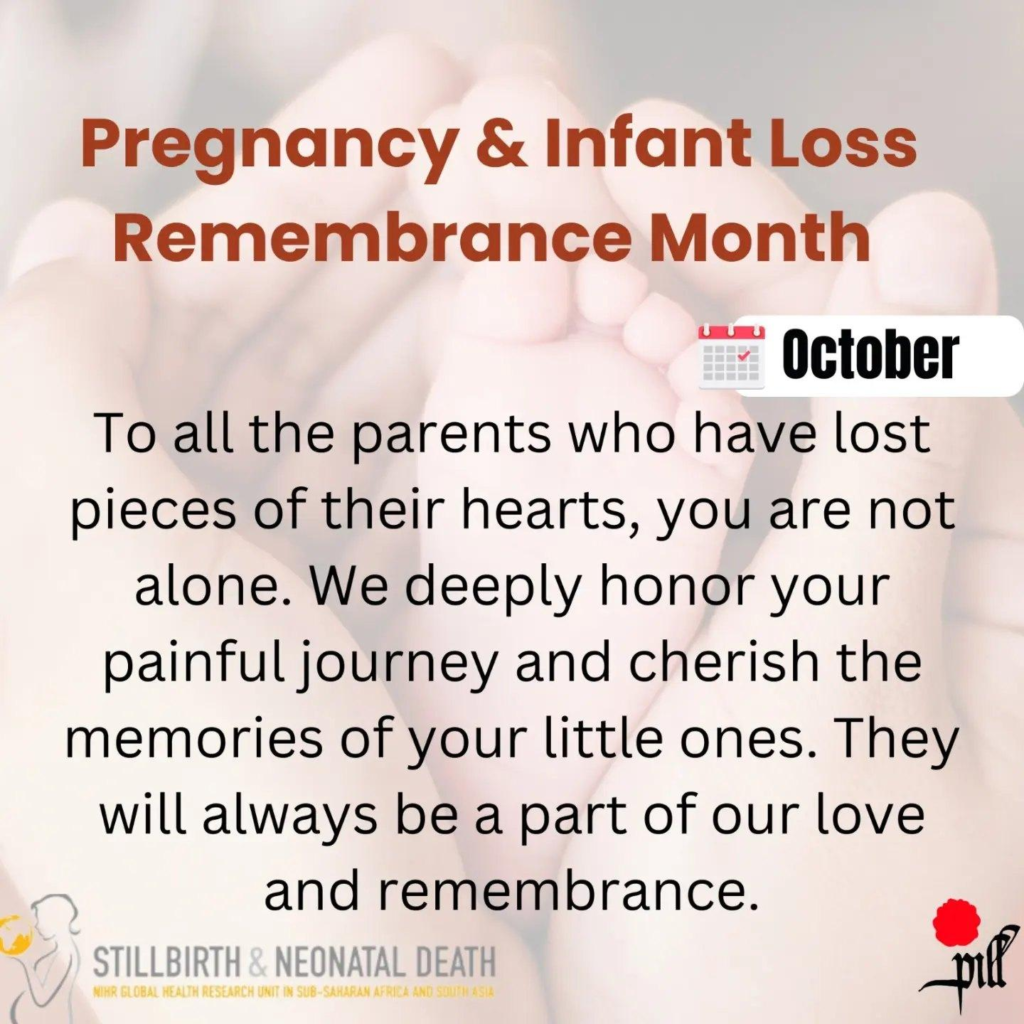
- Full Details: This informative awareness session on “Pregnancy and Infant Loss Remembrance” was conducted on 25th October in the Yaro Goth community, Karachi. Ms. Faryal Sultan, along with the PILL CEI team, led the initiative. The session engaged community members in meaningful discussions, distributing informative brochures to enhance understanding of the emotional and physical aspects of loss, guidance for future conception, the importance of maternal mental health, and practices for maintaining a healthy pregnancy.
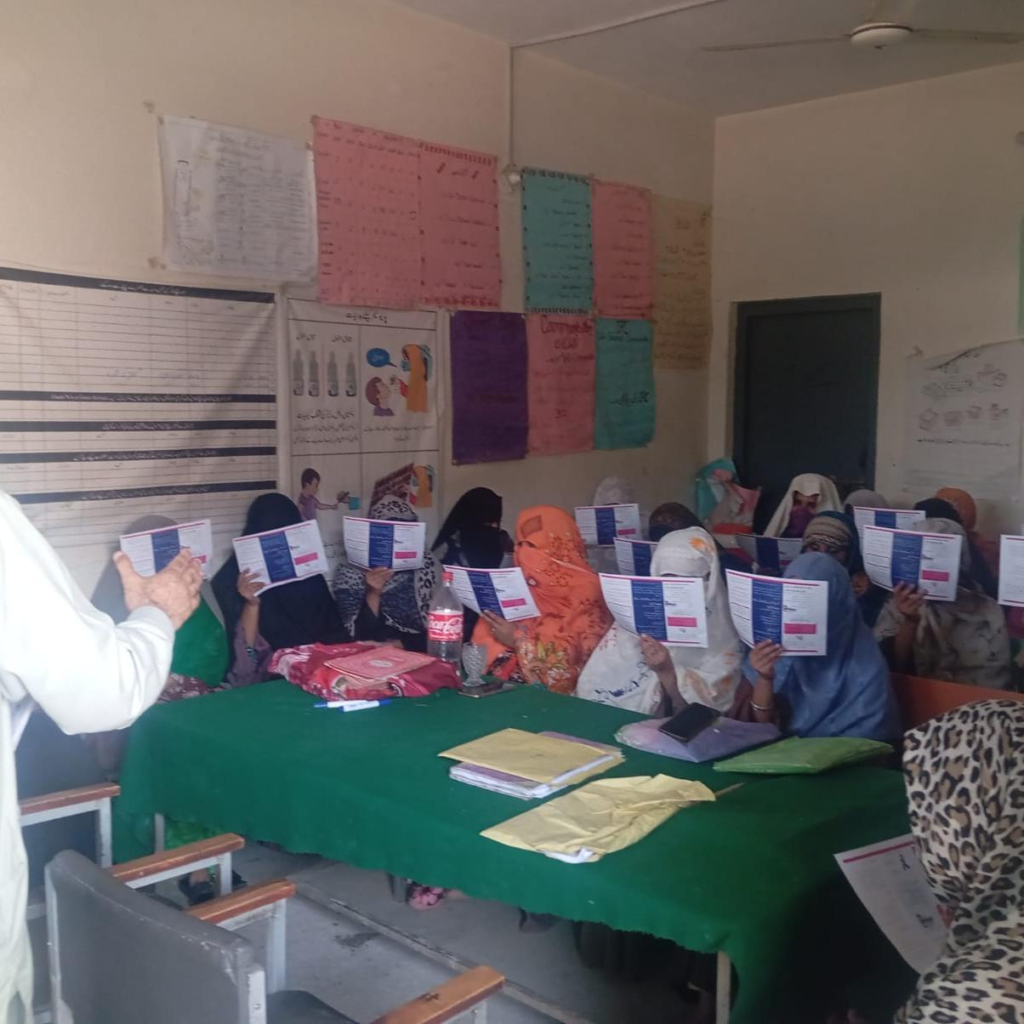
Breast Cancer Awareness & Referral Training for LHWs (Peshawar)
- Collaboration: PILL and GMCHP
- Summary: A session held with Lady Health Workers (LHWs) and their supervisors focusing on their critical role in the community for identifying suspected breast cancer cases…
- Full Details: This awareness session was specifically tailored for Lady Health Workers (LHWs) and their supervisors at the Rural Health Center, Takhtabad, Peshawar. The LHWs are pivotal community figures in Pakistan’s primary health system. The session focused on empowering LHWs to effectively identify suspected breast cancer cases within their communities, understand appropriate referral pathways, and integrate mental health awareness into their advice for patients. The event was highly engaging and vital for strengthening the frontline public health response.
Breast Cancer Awareness for College Students (Abbottabad)
- Collaboration: PILL and GMCHP
- Summary: A session at Government Post Graduate College for Women, focusing on early detection methods, self-examination techniques, and the critical importance of mental well-being…
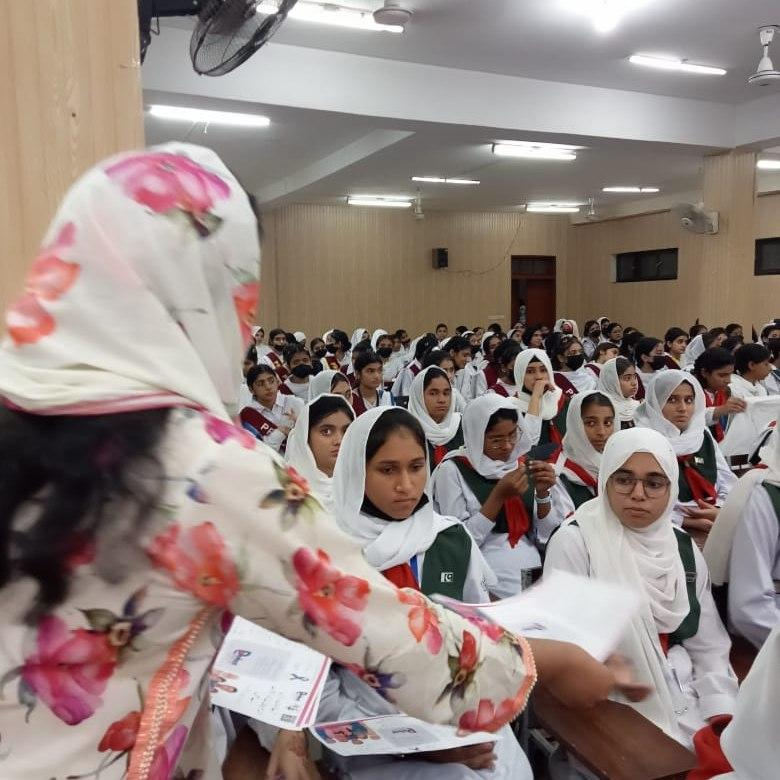
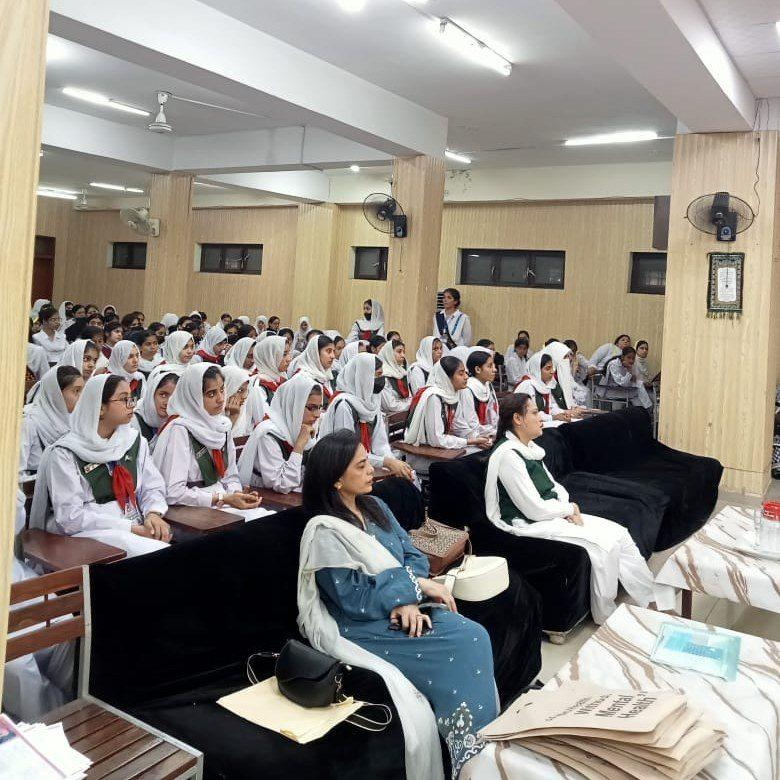
- Full Details:This breast cancer awareness session was successfully conducted at the Government Post Graduate College for Women in Nawanshehr Abbottabad. Targeting young women, the session provided valuable, life-saving insights. The core topics included the importance of early detection, practical self-examination techniques, and the significance of addressing the mental well-being of breast cancer patients and their families. The college students demonstrated keen interest, actively participating in the Q&A section.
Breast Cancer Awareness Camp for Community & Students (Abbottabad)
- Collaboration: PILL and GMCHP
- Summary: A community camp at the Women and Children Hospital Abbottabad, reaching both general community members and future medical students with crucial health information…
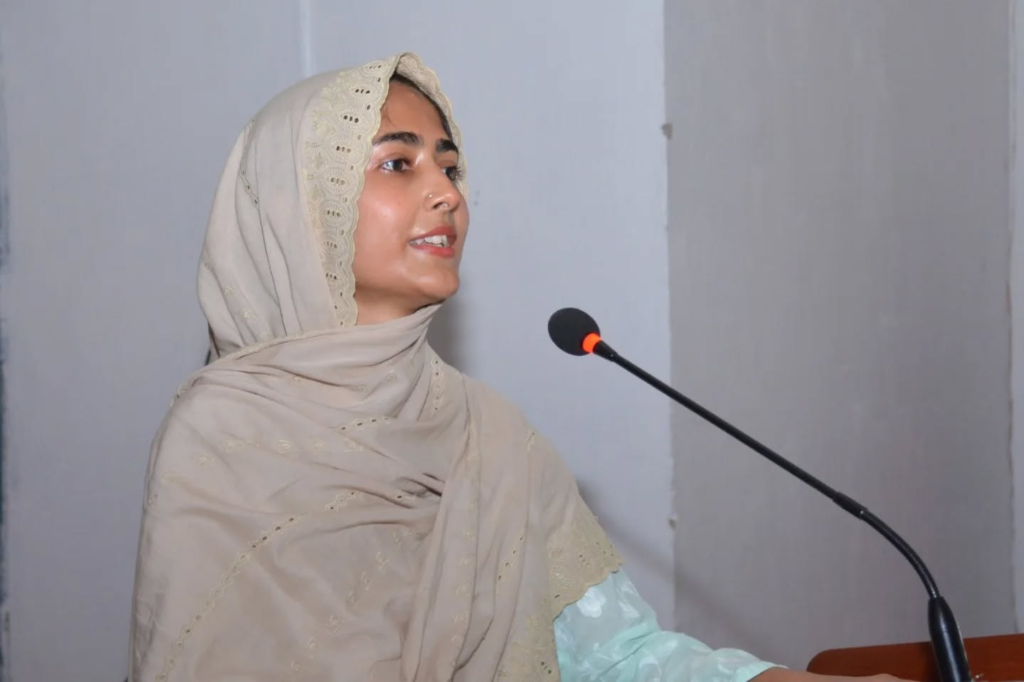
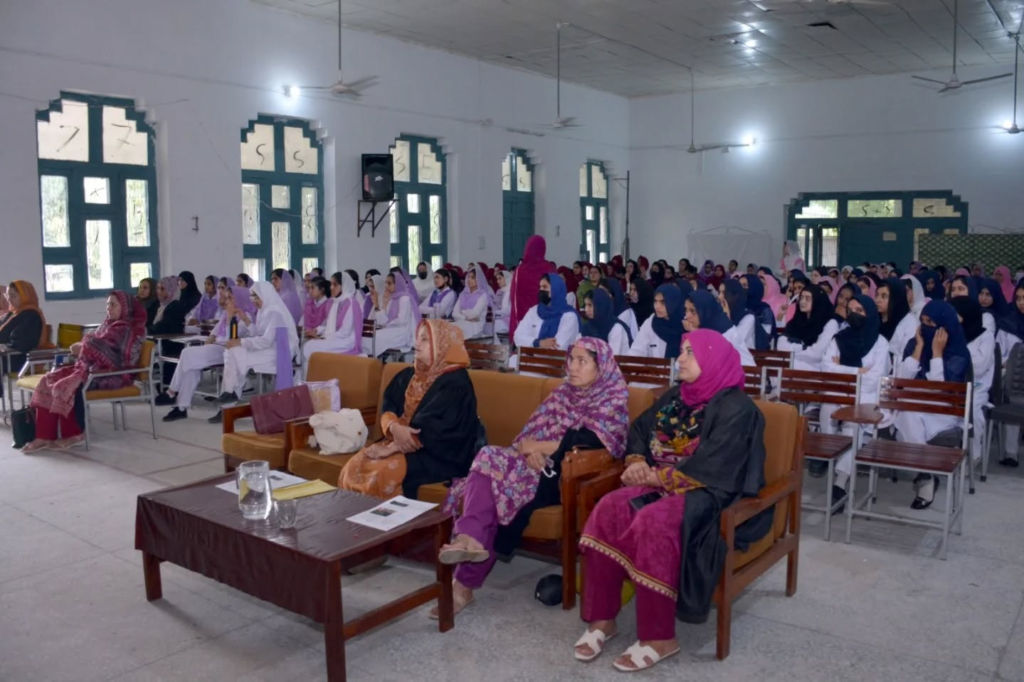
- Full Details: A Breast Cancer Awareness Camp was held at the Women and Children Hospital Abbottabad. This initiative reached a wide audience, benefiting 25 community women and 15 medical students who participated in the session. The focus areas included practical training on self-examination techniques, effective prevention strategies, the importance of early detection, and openly discussing the mental health impact on breast cancer patients. The camp successfully promoted valuable health and well-being knowledge across different segments of the local population.
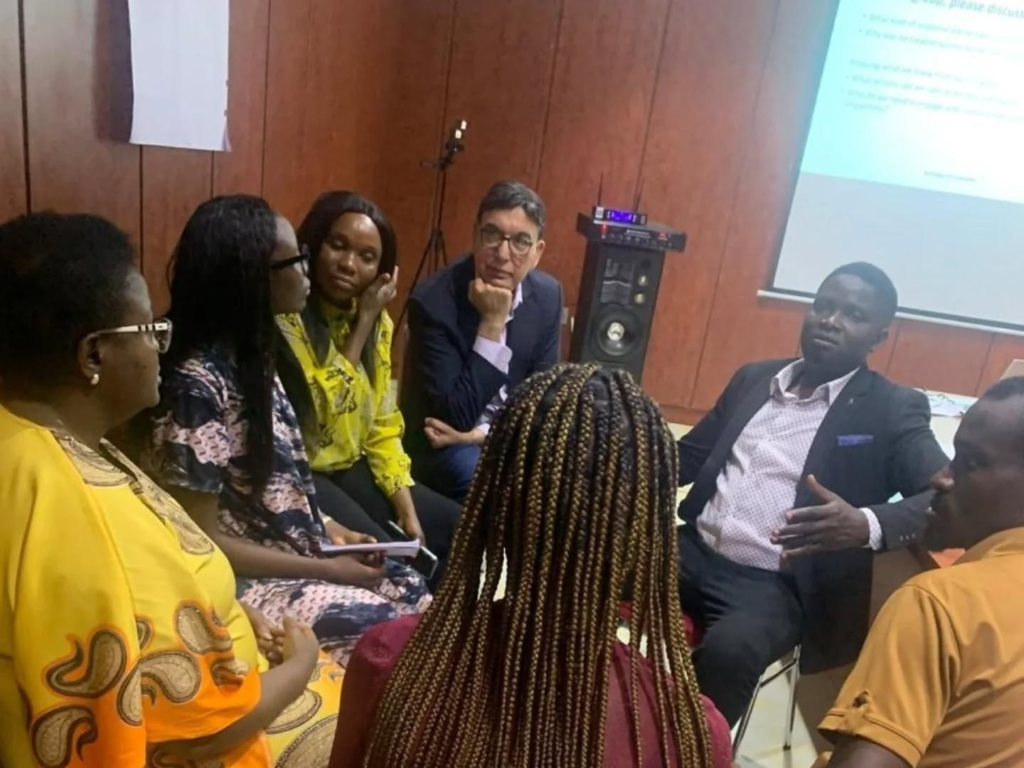
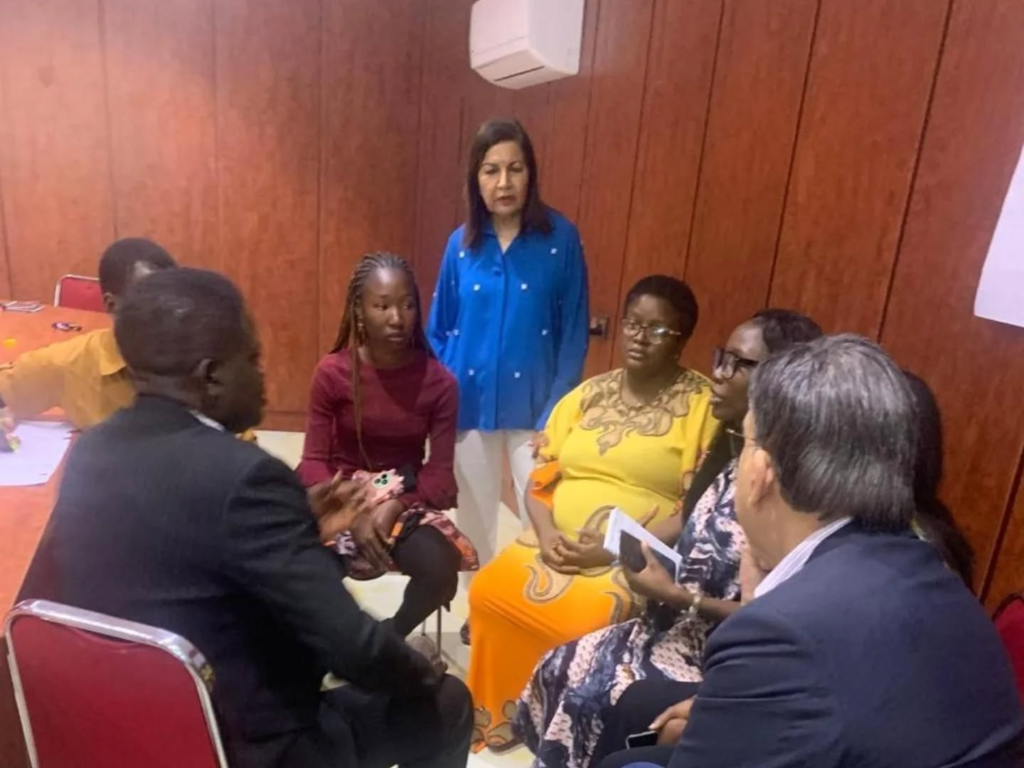
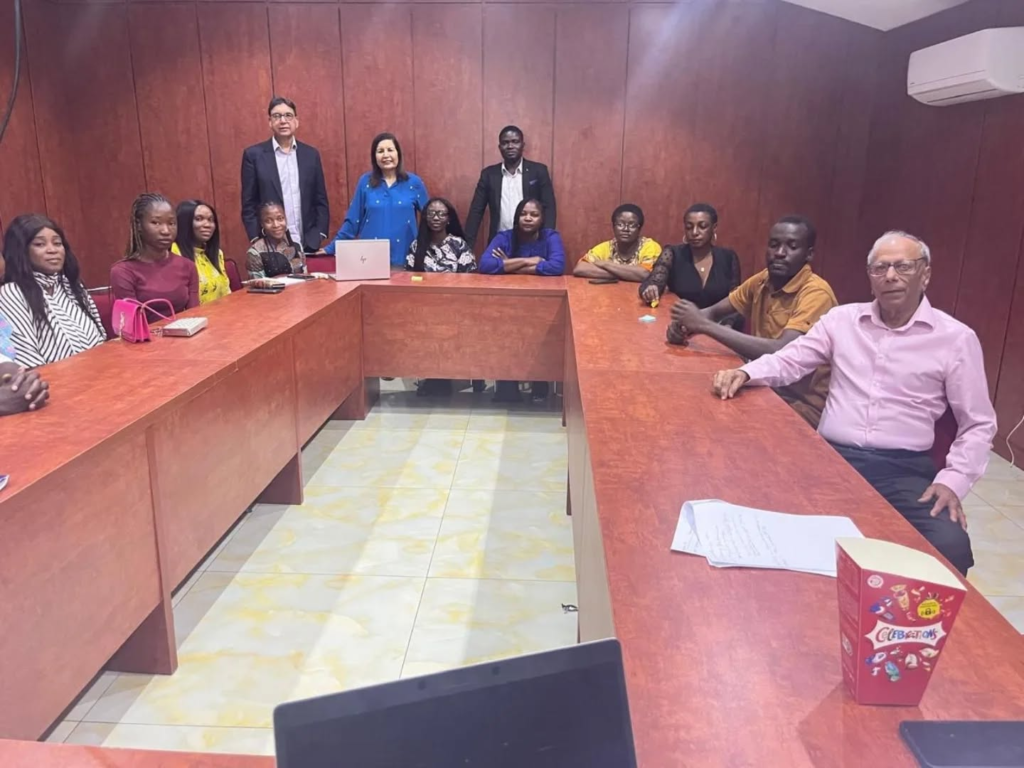
Global Lived Experience Dialogue on Mental Health (Nigeria)
- Collaboration: MGF, UCL, PILL, and GMCHP
- Summary: An interactive CEI session in Nigeria brought together Lived Experience Experts (LEEs) from Nigeria, Pakistan, and India to foster shared learning on mental health policy development…
- Full Details: This interactive Community Engagement and Involvement (CEI) session with Lived Experience Experts (LEEs) was a key highlight of a visit to Abuja, Nigeria, and was conducted as part of a University College London (UCL) Global Engagement Fund Project. The session was chaired by Dr. Rakhshi Memon, CEO of MGF. The event successfully facilitated a crucial cross-regional dialogue on mental health challenges and potential solutions, bringing together LEEs from Nigeria with virtual participants from Pakistan and India. The focus was on high-level stakeholder consultations and strategic discussions aimed at shaping mental health policies and strengthening international collaborations for sustainable change.
UK Perinatal Wellbeing Co-design (ROSHNI-3)
- Collaboration: MGF, GMCHP, and community groups
- Summary: A Theory of Change workshop actively included two mothers with lived experience of postnatal depression who provided invaluable cultural insights, fundamentally shaping the intervention’s feasibility and design…
- Full Details: MGF hosted this in-person Theory of Change (ToC) workshop at its London office to inform the development of a maternal well-being programme (ROSHNI-3) for British, Black, Asian, and Minority Ethnic Women. The workshop was led by Dr. Rakhshi Memon, Director of MGF, with Dr. Deepali Sharma introducing the intervention’s key elements. Participants represented various key organizations, including the Ethnic Health Forum, Maternity Mates, and Save the Children. Crucially, the group included perinatal health experts, research managers, and two mothers with lived experience of postnatal depression whose input ensured the intervention was not only clinically sound but culturally appropriate. Clear recommendations emerged, guiding the future path of the intervention.
Co-designed Research Protocols in South Asia
- Collaboration: PILL and GMCHP
- Summary: GMCHP, working with PILL, has co-designed research protocols and data collection tools for critical studies on maternal mental health and self-harm prevention…
- Full Details: Working closely with the Pakistan Institute of Living and Learning (PILL), the GMCHP team integrated community feedback to co-design the foundational research tools for critical studies in South Asia. This work went beyond simple review, including developing culturally adapted screening instruments, data collection forms, and intervention delivery plans for projects focusing on maternal mental health and self-harm prevention. This rigorous, co-productive step ensured that all research methods were highly sensitive to local norms and practical for clinicians and participants in Pakistan, ultimately enhancing the validity and likelihood of successful implementation for the resulting clinical trials.
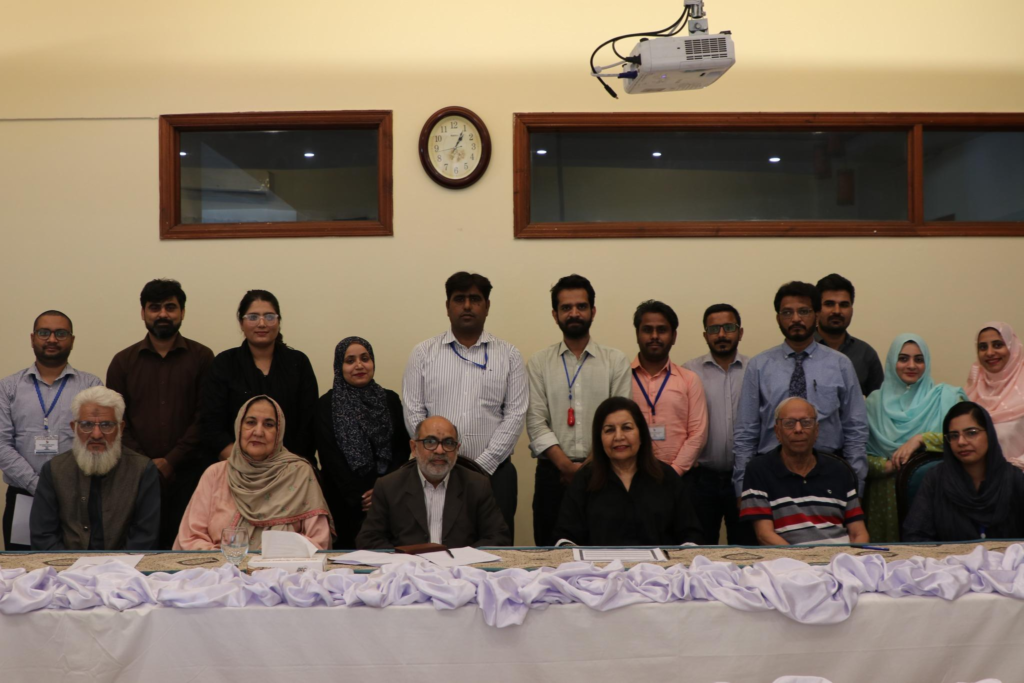
Stakeholder Engagement on Traumatic Brain Injury (Pakistan)
- Collaboration: MGF and GMCHP
- Summary: Workshops on Traumatic Brain Injury (TBI) and Road Traffic Accidents (RTA) in Pakistan actively engaged stakeholders and Lived Experience Experts to map out causal pathways…
- Full Details: Dr. Rakhshi Memon conducted a crucial Theory of Change (ToC) workshop focusing on Traumatic Brain Injury (TBI) and Road Traffic Accidents (RTA) in Karachi, Pakistan. This workshop brought together key stakeholders and Lived Experience Experts to map out the entire causal pathway, from identifying factors contributing to the prevalence of TBIs to designing potential, culturally grounded interventions. The focus was on identifying critical local barriers, common challenges, and their far-reaching consequences on rehabilitation. The goal was to ensure future policy and intervention solutions are evidence-based, robust, and community-informed, directly improving outcomes for individuals affected by road trauma.
Building Capability in Co-Production
We provide training and continuous support, ensuring that our researchers and community partners are equipped with the skills and confidence to participate meaningfully and ethically in global mental health research.
Strategic Partnership: Mentorship and Capacity Building (UK): MGF/GMCHP in collaboration with the British Muslim Heritage Centre (BMHC).
Summary: A high-level visit focused on fostering long-term collaboration, knowledge exchange, and staff development. Expert guidance was offered on organizational capacity building, staff mentorship, and exploring joint research initiatives…
Full Details (Strengthening Ties: MGF’s Visit to the British Muslim Heritage Centre, 5th August 2025): This visit marked an important step towards community collaboration and shared growth. The delegation included Professor Nusrat Husain (Director of Research at Global Mental Health), Dr. Atta Asif (Lead of the Research Capacity and Capability Programme), and Mrs. Rima Nserat (Arab World Research Coordinator), who were warmly welcomed by a representative of the BMHC administration. The meeting provided a valuable platform for exchanging ideas. Professor Husain commended the Centre’s efforts and shared expert guidance on how to strengthen and expand its community-focused projects. Key discussions centred around:
- Enhancing organisational capacity to support community-driven initiatives.
- Opportunities for staff development through structured mentorship.
- Strategies for sustainable fundraising and project delivery.
- Exploring joint research initiatives and engagement programmes.
Professor Husain also extended an offer of support in mentoring BMHC staff, reflecting Manchester Global Foundation’s broader and gmhcp mission of fostering impactful partnerships and building stronger, more resilient communities. Both parties agreed to maintain an ongoing dialogue and pursue future collaborative activities.
Global CEI Ethics and Partnership Workshops:
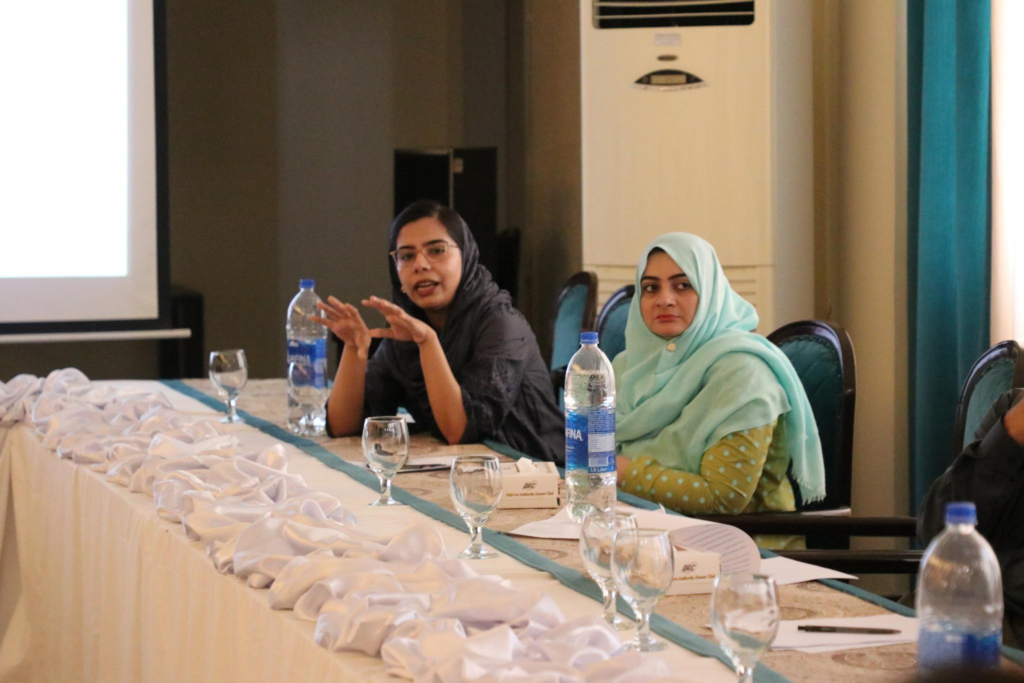
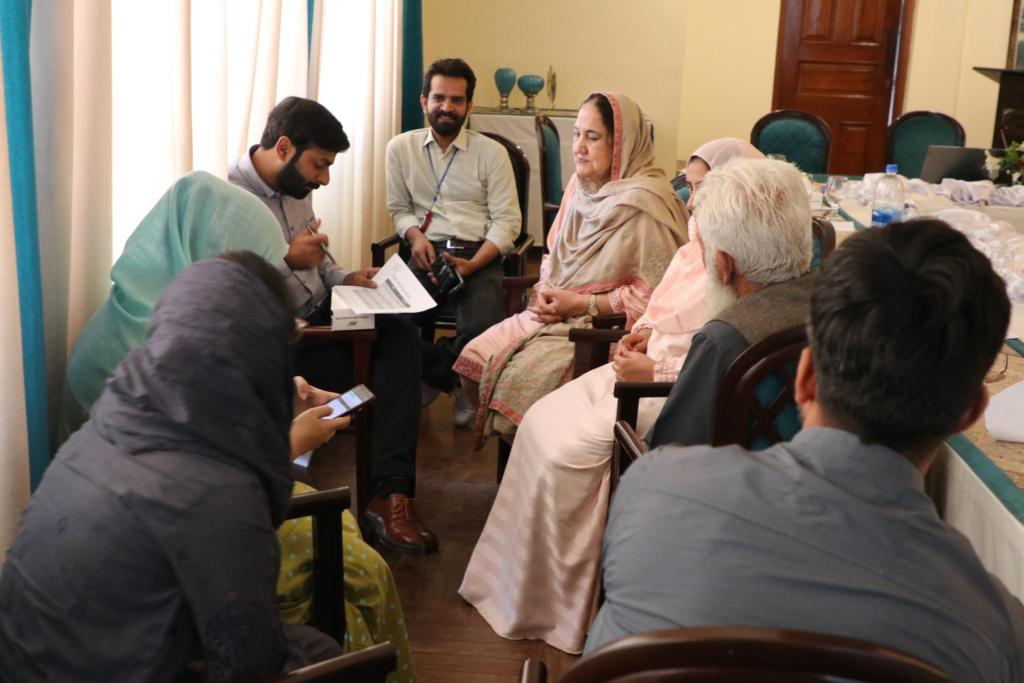
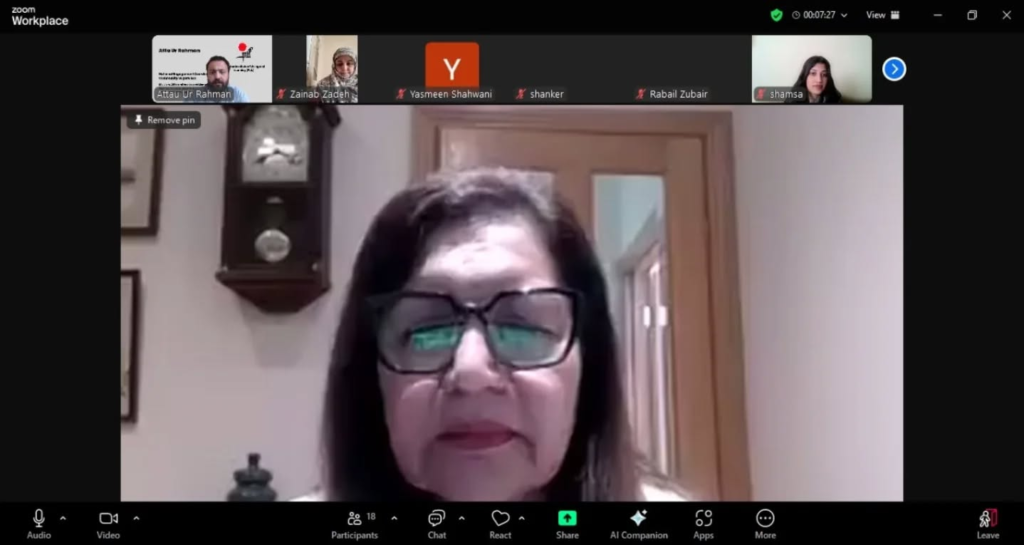
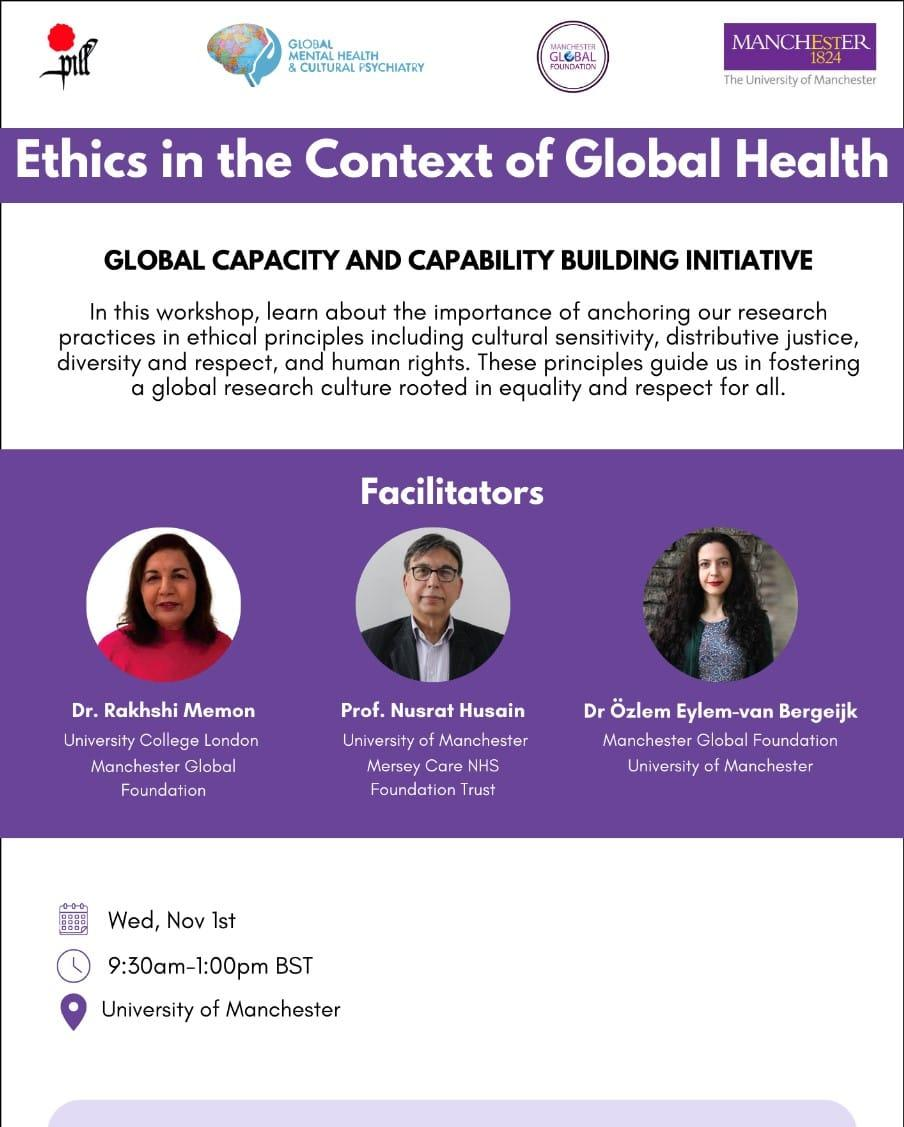
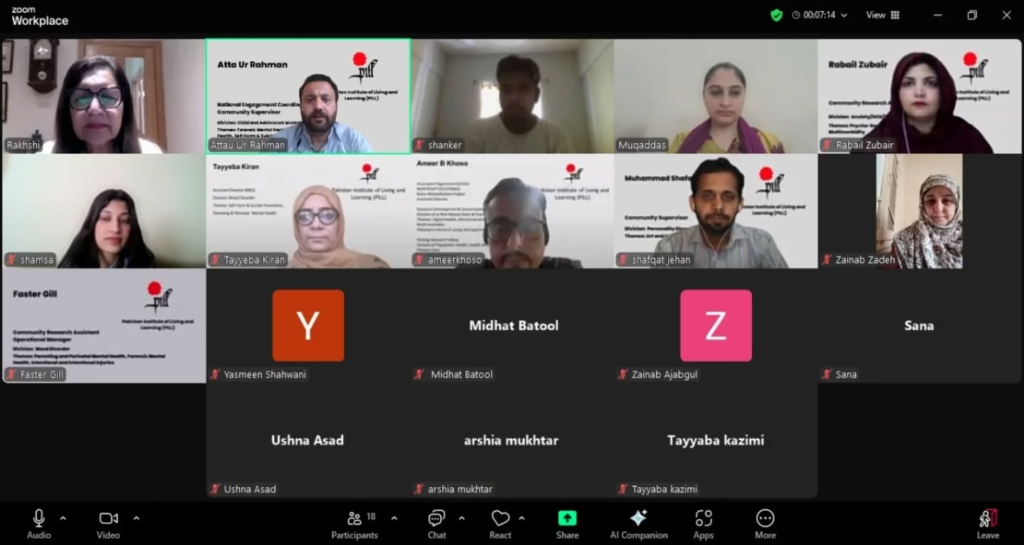
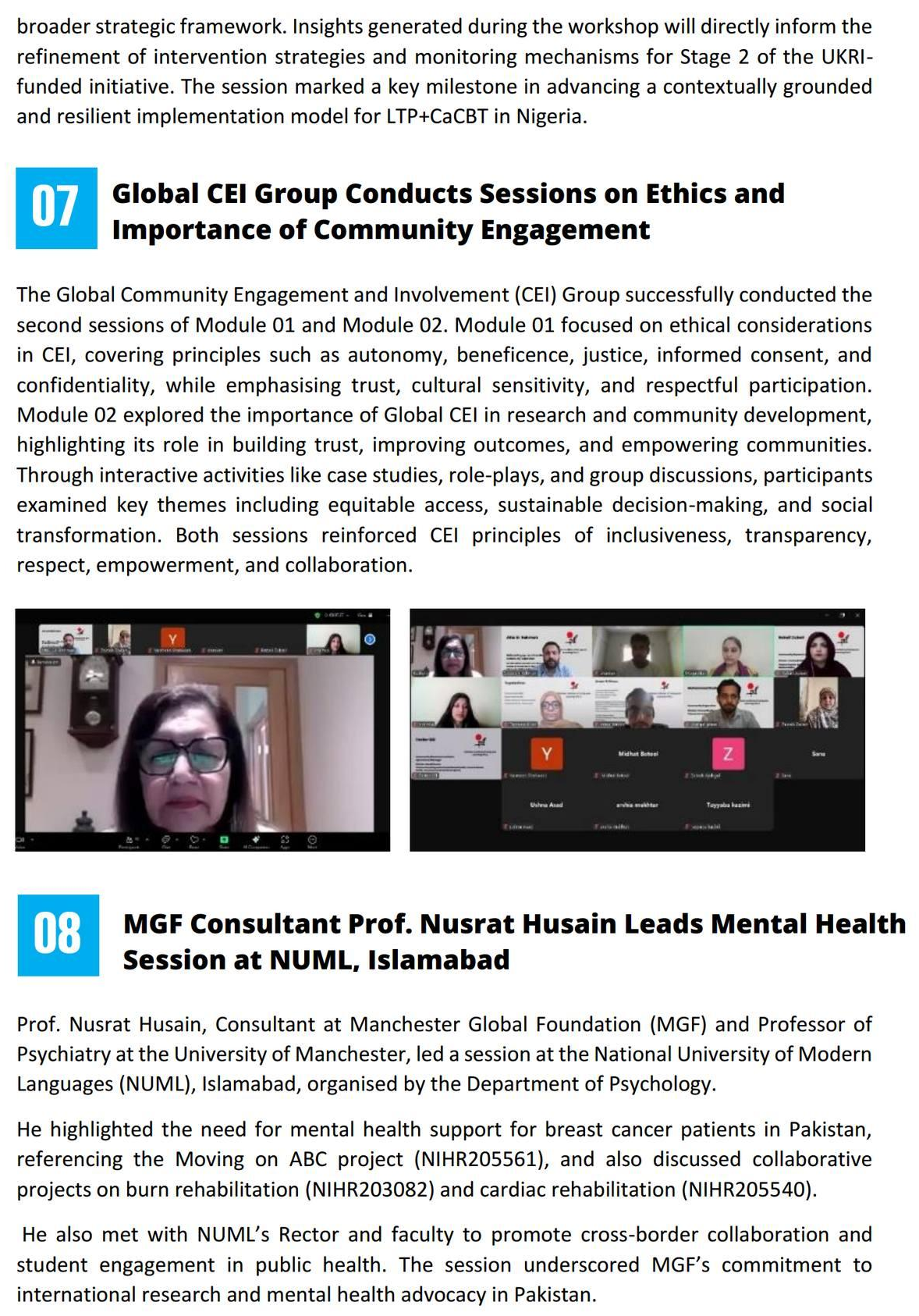
Through our partnerships, we host ongoing training sessions on core PPIE principles. Recent workshops, in collaboration with MGF, UCL, and GMCHP, focused on Ethics in CEI (covering autonomy, justice, informed consent) and Strengthening Partnerships to promote community-focused initiatives across Pakistan, the UK, and Nigeria.
Developing a CEI Model for LMICs:
Working in collaboration with PILL and GMCHP, workshops were held with the Community Engagement and Involvement Group (CEIG) involving service users, community activists, and LMIC partners. The aim was to co-develop an effective CEI model specifically tailored for Low and Middle-Income Country research settings.
Resources and Publications for PPIE Practice:
Our PPIE initiatives generate key resources to guide inclusive research. These materials, developed in collaboration with PILL and NIHR partners, include the PPIE Framework for Global Mental Health Research, Ethical Engagement in Culturally Diverse Communities guides, and a Toolkit for Building Effective Research Partnerships.
Join Our Global Network of Experts
Introductory Text: Your lived expertise is the most powerful tool for ensuring our research translates into real-world change. We welcome individuals with lived experience, carers, and community leaders from Greater Manchester, the wider UK, and our global partner sites to join our PPIE community.
How You Can Shape Research
- Priority Setting:Help us decide which research questions matter most to your community.
- Co-design:Review study materials, consent forms, and methods to ensure they are accessible and culturally appropriate.
- Dissemination:Co-present findings at conferences, co-author policy briefs, and communicate results back to your community.
Our Commitment to You: Partnership, Not Transaction
Commitment Text: We are committed to forging long-lasting, positively impactful partnerships. Our goal is not a one-off consultation but a mutual working relationship where your expertise drives change. We value your time, your insight, and the opportunity to collaborate in a way that is transformative for both research and the community. This commitment extends beyond Greater Manchester to partners across the UK and the globe.
- Equitable Remuneration
- Continuous Mentorship
- Inclusive & Flexible Working
Transforming Lives Through Partnership
Introductory Text: The true success of our PPIE strategy is measured by the tangible outcomes and personal stories created through our global partnerships. These contributions shape culturally grounded interventions and influence policy change.
Impact Stories
- Therapy Co-Designed for Local Clinics (PAKISTAN): Community members actively co-designed culturally adapted therapy materials for mental health and self-harm interventions. Their detailed feedback ensured the language, context, and delivery of materials were appropriate, leading to their successful implementation in local clinics.
- Youth Voices Shape Adolescent Policy (NIGERIA): Youth participants from Nigeria moved from contributors to co-authors. They co-authored a policy brief on adolescent mental health, directly influencing stakeholder perceptions and driving policy discussions at the governmental level.
- Real-World Training Impact (Testimony): “I really enjoyed the training and learned a lot of ways to teach children. This is very beneficial to my career as a teacher. We also plan to involve parents, teachers, religious and community leaders…” – Trainee Teacher, Children’s Mental Well-being Programme, Jos, Nigeria
Sharing Our Learning: We believe that capturing and sharing learning is a core part of our commitment. PPIE involvement in the ROSHNI-2 Dissemination Event (UK) led to mothers with lived experience sharing valuable cultural insights, proving that engagement enhances the interpretation and relevance of clinical trial results for British South Asian women.
Empowering lived experience experts in low income countries
Dr Rakhshi Memon (UCL Engineering) used Global Engagement Funds to evaluate how people with lived experience can help to improve healthcare in Pakistan, India, and Nigeria.
6 May 2026
Lived experience experts are people who have direct, personal experience of a particular issue, such as a health condition, disability, or social challenge. This first-hand knowledge can help improve understanding, policies, and services. However, they are often excluded from decisions about the issues they have unique insight into. Researchers and decision-makers therefore need the skills, resources, and commitment to empower and meaningfully engage these experts.
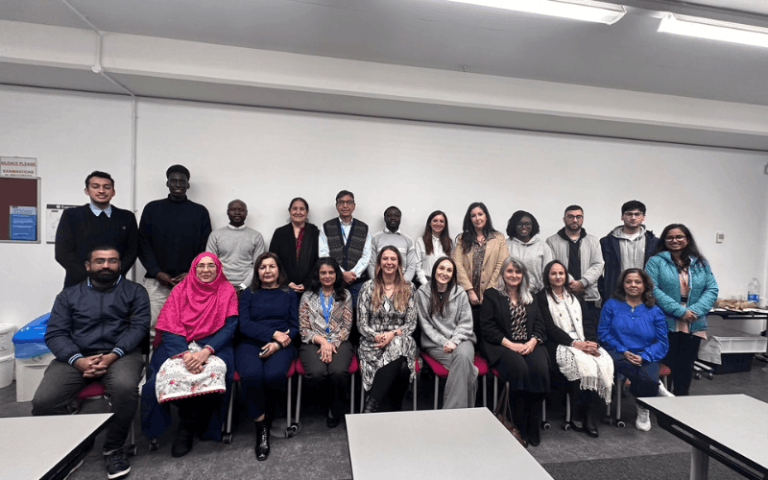
Dr Rakhshi Memon, a Research Fellow in UCL Engineering’s Department of Science, Technology, Engineering and Public Policy (STEaPP), focuses on community engagement and involvement. She established the Community Engagement and Involvement Group (CEIG), bringing together partners from Pakistan, Nigeria, Türkiye, Jordan, India, and Sri Lanka. Through this work, she identified a key challenge: funders and institutions often use different frameworks and expectations for engaging lived experience experts, creating inconsistency across research and solution design.
Earlier research, including a 2022 scoping review, focused largely on high-income countries. To address this gap, Rakhshi and co-investigator Professor Sarah Edwards secured Global Engagement Funds to expand the work to low- and middle-income contexts. The project gathered insights from lived experience experts in Pakistan, India, and Nigeria to better understand how community engagement models can be adapted to these settings.
Elevating lived experience in research
“We as researchers read the evidence and think we know about something, but unless we actually speak to the people who are going through the journey, we don’t have a proper understanding,” Rakhshi explained. “We need to listen to their stories, and gain insights into people who have been on the pathways we’re investigating. This has to be part of the change we are bringing about.”
With the UCL Global Engagement Funds, plus additional support from Pakistan Institute of Living and Learning (PILL), Rakhshi was able to travel to Pakistan and Nigeria to facilitate discussion groups with lived experience experts, and gain input to co-create a Community Engagement and Involvement (CEI) Framework. “It was a great learning experience for me to look at things through the lens of the people who are living through, or who have had, particular experiences,” Rakhshi said.
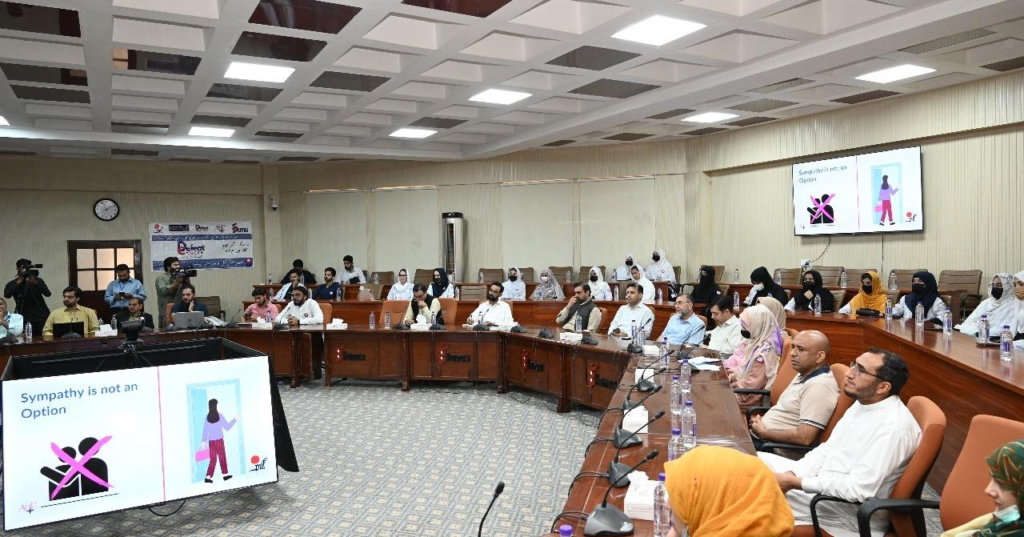
Some themes were prevalent in each context. “In Pakistan, people said they didn’t want sympathy – because it’s patronising and patriarchal – but they want empathy,” Rakhshi said. “In Nigeria, mistrust of researchers came up a lot. I believe this all shows we need to communicate with people more and hear their stories, to plan change from the eyes of the end beneficiaries.”
While Rakhshi’s research focuses on mental health, a colleague interviewed lived experience experts from the transgender community in India as part of the project. “This also highlighted a number of areas that need improving, particularly in the health system,” she said.
Integrating lived experience into research
As a result of this work, the co-created CEI Framework maximises the involvement of lived experience experts, which Rakhshi hopes will shape inclusive and impactful research in the future. CEIG is growing, with members working with breast cancer survivors in Sri Lanka, and active groups in Türkiye, Jordan, and Bangladesh, as well as in the UK working with South Asian and African Caribbean people.
“We have put together a governance structure, ensuring research teams have lived experience experts involved, Rakhshi said. ”We’ve set up an advisory body, so the power dynamics are at least equal – if not better – for the lived experience experts. We’ve even started to get trained lived experience experts to become trainers as well, and they have become part of the research team and co-applicants for future funding.”
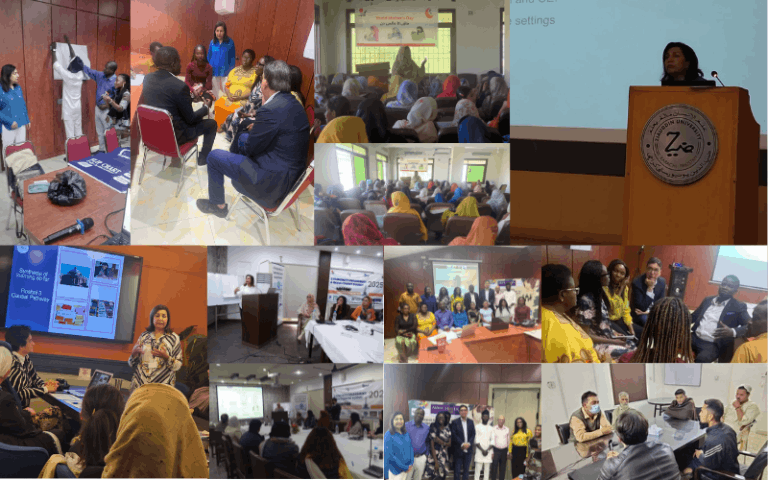
Next, the collaborators want to translate the CEI Framework into national and regional languages in Bangladesh, India, and Pakistan, and pilot the framework in specific contexts too. Ultimately, the aim is that research moving forward ensures lived experience experts are integral.
“For me, the true impact would be that any research we’re doing is led by lived experience experts ,” Rakhshi said. “We as academics, as well as health professionals, must ensure we don’t just pay lip service to this expertise. Their voices and their stories must be embedded in the change that we’re trying to bring about.”
Links