












About Us
Building Global Bridges in Mental Health Research
Who We Are
The Global Mental Health & Cultural Psychiatry (GMHCP) Research Group is an international, multidisciplinary network dedicated to advancing equitable mental health care worldwide. We bring together clinicians, researchers, people with lived experience, and community leaders to address the cultural, social, and systemic factors that shape mental health outcomes.
Led by Professor Nusrat Husain at the University of Manchester, GMHCP serves as a collaborative platform where research meets real-world impact. Our work focuses on bridging the gap between global mental-health research and culturally responsive care, especially in low- and middle-income countries.
Our work spans clinical trials, implementation research, and community-based programmes in areas such as suicide and self-harm prevention, perinatal and women’s mental health, severe mental illness, youth wellbeing, substance use, cognitive health, digital mental health, and ethics in global research. Through strong international partnerships, we co-design interventions that are contextually appropriate, evidence-based, and sustainable within diverse health systems.
Our Vision
At GMHCP, we strive to lead globally in mental health by advancing contextually relevant research, building capacity, and strengthening mental health systems. We envision a world where mental health is prioritised, treated, and valued, especially in low and middle-income countries. Join us in creating a future where health and well-being is a universal reality.
Our Mission
At GMHCP, we strive to lead globally in mental health by advancing contextually relevant research, building capacity, and strengthening mental health systems. We envision a world where mental health is prioritised, treated, and valued, especially in low and middle-income countries. Join us in creating a future where health and well-being is a universal reality.
Our Partners
Collaboration is central to GMHCP’s approach. We work with partners who share our vision of improving mental health through culturally informed research and practice.
Our principal institutional partners include:
- Pakistan Institute of Living and Learning (PILL) – advancing mental health through research, training, and clinical innovation in South Asia.
- Manchester Global Foundation (MGF) – supporting global knowledge exchange, education, and public-health partnerships.
- University of Manchester – providing academic leadership, training, and research excellence.


Our Approach
GMHCP integrates clinical science, public health, mental health and community knowledge to shape interventions that are both scientifically sound and socially grounded. We work across Low- and Middle-Income Countries (LMICs) and ethnic minority and migrant communities in High-Income Countries (HICs), ensuring that solutions are inclusive and globally relevant.
Our approach emphasises co-production, capacity strengthening, and systems integration, creating a bridge between local realities and global evidence. We actively support early and mid-career researchers through mentorship, collaborative projects, and international exchange opportunities.
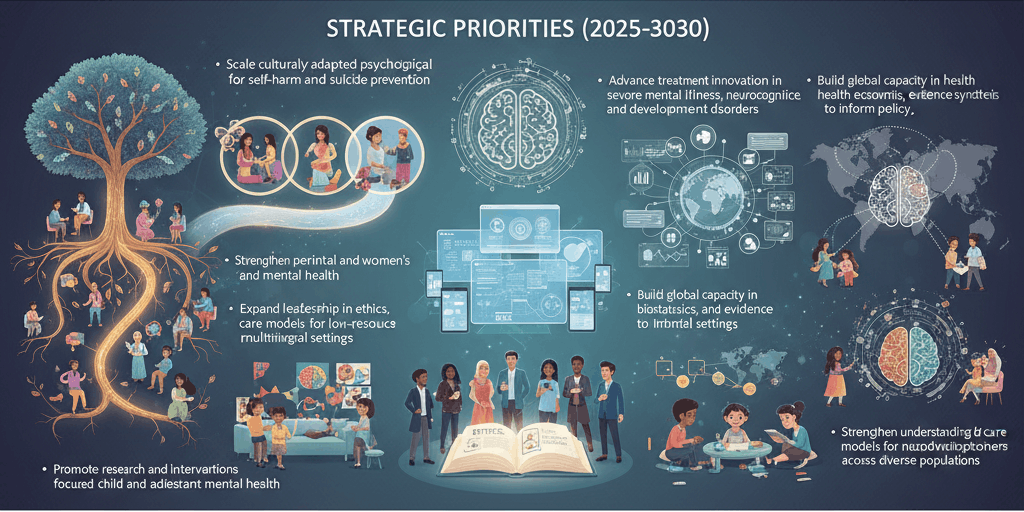
Strategic Priorities (2025–2030)
- Scale culturally adapted psychological therapies for self-harm and suicide prevention.
- Strengthen perinatal and women’s mental health through integrated primary and community care.
- Advance treatment innovation in severe mental illness, neurocognitive, and developmental disorders.
- Expand digital and measurement-based care models for low-resource and multilingual settings.
- Deepen leadership in ethics, PPIE, and implementation science.
- Build global capacity in biostatistics, health economics, and evidence synthesis to inform policy.
- Promote research and interventions focused on child and adolescent mental health.
- Strengthen understanding and care models for neurodevelopmental disorders across diverse populations.
Our Commitment
We believe that advancing mental health requires more than science, it demands empathy, collaboration, and respect for culture and context. GMHCP remains committed to creating a future where mental health care is not only evidence-based but also equitable, inclusive, and globally connected.
Our Team
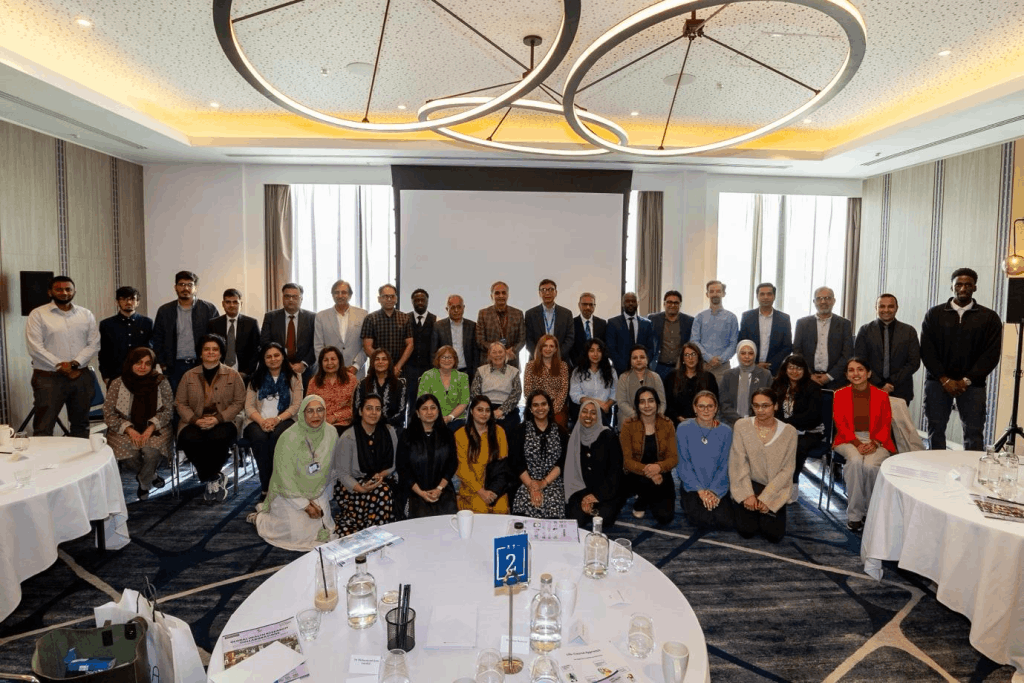
GMHCP’s strength lies in its people, a vibrant network of psychiatrists, psychologists, social scientists, and public-health professionals from across the UK, Asia, Africa, Europe and beyond. This dynamic, multidisciplinary, and global team is united by a common mission to close the mental health treatment gap. The team works collaboratively to design, implement, and evaluate culturally sensitive mental-health research.
The group is led by Professor Nusrat Husain, supported by senior researchers, project coordinators, and research fellows at the University of Manchester, as well as international partners through the Pakistan Institute of Living and Learning (PILL) and Manchester Global Foundation (MGF).
We actively mentor early- and mid-career researchers through research supervision, exchange programmes, and capacity-building initiatives.
Team at a Glance
16
Total Team Members
4
Global Locations
7
Core Expertises
Distribution by Location
No Data Found
Composition by Expertise
No Data Found
Team Directory
Dedicated professionals and researchers driving innovation in global mental health
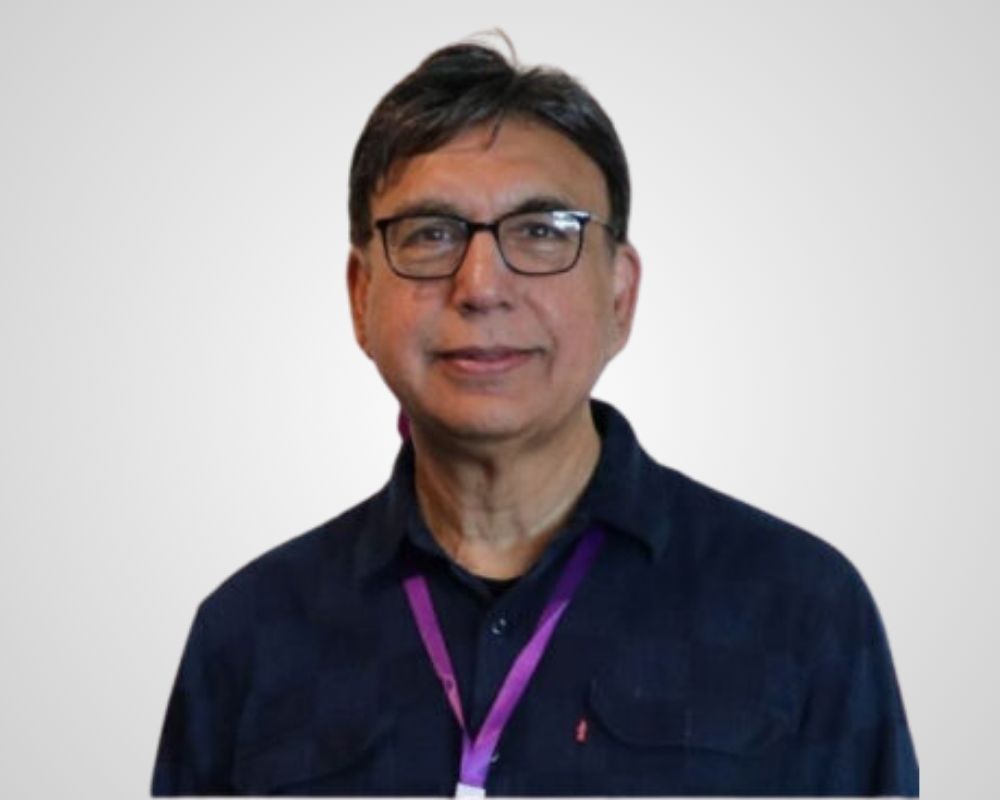
Professor Nusrat Husain
Professor of Psychiatry
Professor of Psychiatry and Director of Research Global Mental Health at the University of Manchester. Recognised internationally for contributions to mental health and...
Professor Nusrat Husain
Professor of Psychiatry
Role
Professor of Psychiatry
Director Research Global Mental Health
Division of Psychology and Mental Health
University of Manchester
Honorary Clinical Professor - University of Liverpool
Director - Global Centre for Research on Mental Health Inequalities
Honorary Consultant Psychiatrist (EIS), Mersey Care NHS Foundation Trust
Affiliation
University of Manchester
University of Liverpool
Mersey Care NHS Foundation Trust
Bio
Professor Nusrat Husain is Professor of Psychiatry and the Director Research Global Mental Health, Division of Psychology and Mental Health at the University of Manchester. He also holds an Honorary Clinical Professorship at the University of Liverpool and an Honorary Chair at the University of Bolton. Additionally, he serves as the Director of the Global Centre for Research on Mental Health Inequalities and is an Honorary Consultant at Merseycare NHS Foundation Trust.
Professor Husain has been widely recognised for his contributions to mental health research and cultural psychiatry. He received the Royal College of Psychiatrists’ Academic Researcher of the Year Award 2016 in recognition of his excellent work in improving access for marginalised communities to mental health care. In 2024, the University of Manchester honoured him with the "Making a Difference Award" for his significant work on the ROSHNI-2 trial. The ROSHNI trial was also highlighted in Black, Asian, and Minority Ethnic (BAME) Improving Access to Psychological Therapies (IAPT) guidelines.
Professor Husain organised the All-Parliamentary Mental Health Summit in March 2020, hosted by the then-President of Pakistan. This summit led to the drafting of Pakistan's Mental Health Policy. In the Sindh province, the mental health policy was officially launched on January 26, 2024. Moreover, at the request of the interim Health Minister, Professor Husain’s team at Pakistan Institute of Living and Learning (PILL) developed a substance use policy which was launched in early 2024. He has been a NIHR Senior Investigator and is a member of the academic faculty at the Royal College of Psychiatrists.
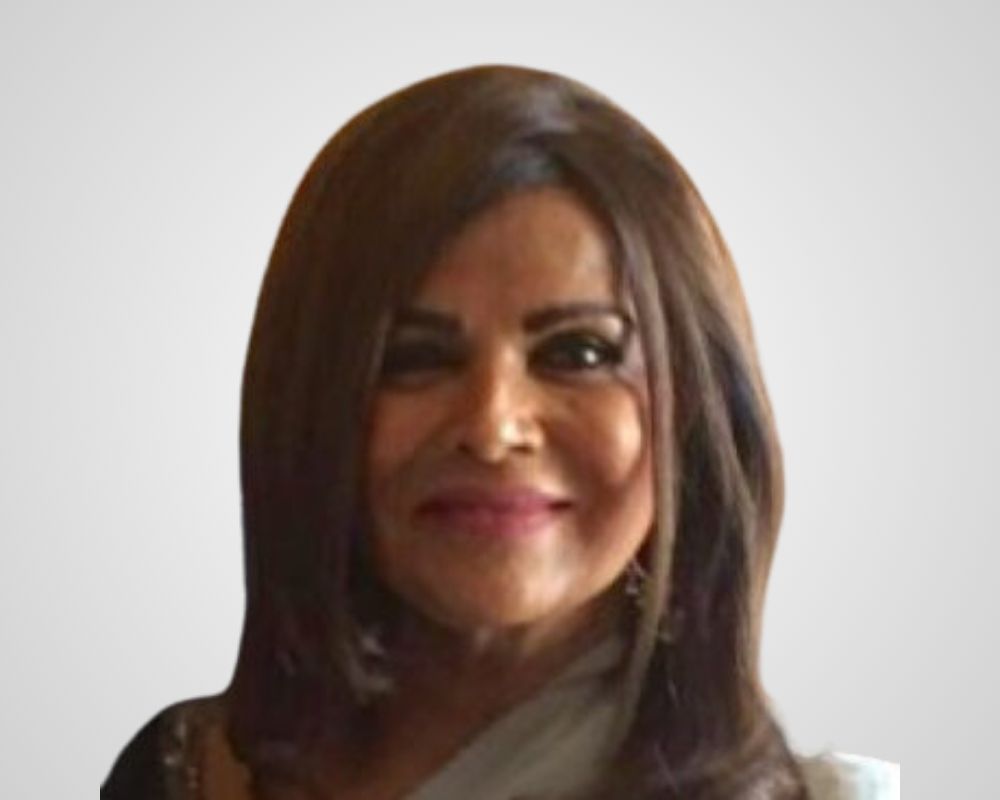
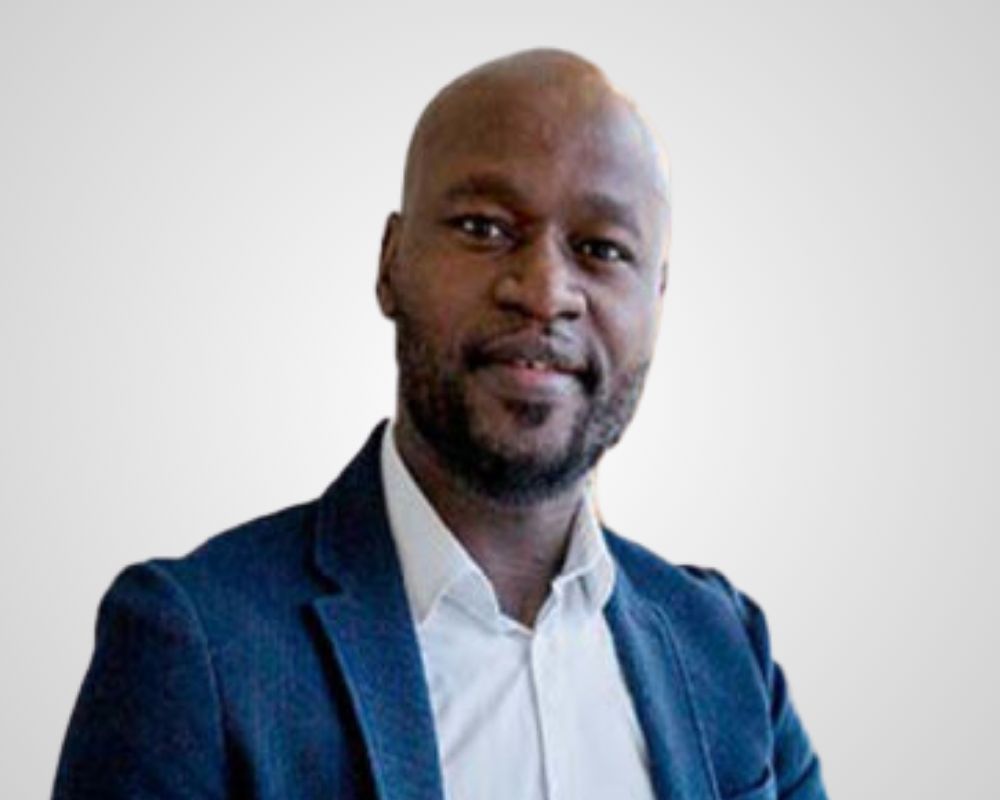
Prof. Nasim Chaudhry
Chief Executive Officer
Along with being the Chief Executive Officer (CEO) of Pakistan Institute of Living and Learning (PILL), Professor Nasim Chaudhry is a consultant psychiatrist...
Prof. Nasim Chaudhry
Chief Executive Officer
Role
Chief Executive Officer
Affiliation
Pakistan Institute of Living and Learning (PILL)
Bio
Along with being the Chief Executive Officer (CEO) of Pakistan Institute of Living and Learning (PILL), Professor Nasim Chaudhry is a consultant psychiatrist and also is the Professor of Psychiatry at Dow University of Health Sciences (DUHS). In the United Kingdom, she is a fellow of Royal College of Psychiatrists and has obtained a Doctorate in Medicine from University of Manchester. Her main research interests are in women’s mental health, self-harm and suicide prevention in low income countries, cultural psychiatry and global health.
She is a chief investigator and co-investigator for a number of research projects funded by Medical Research Council, Global Challenge Research Fund, Welcome Trust, Canadian International Development Foundation, Lancashire Care Foundation Trust, UK Medical Aid for Pakistan, National Institute for Health Research (NIHR), Higher Education Commission Grant, and Grand Challenges Canada.
DR. DUNG JIDONG
ClinPsyD EDI,
Dr Dung Jidong is an established academic in cross-cultural and global mental health research and teaching with specific expertise in the cultural adaptation of psychological...
DR. DUNG JIDONG
ClinPsyD EDI,
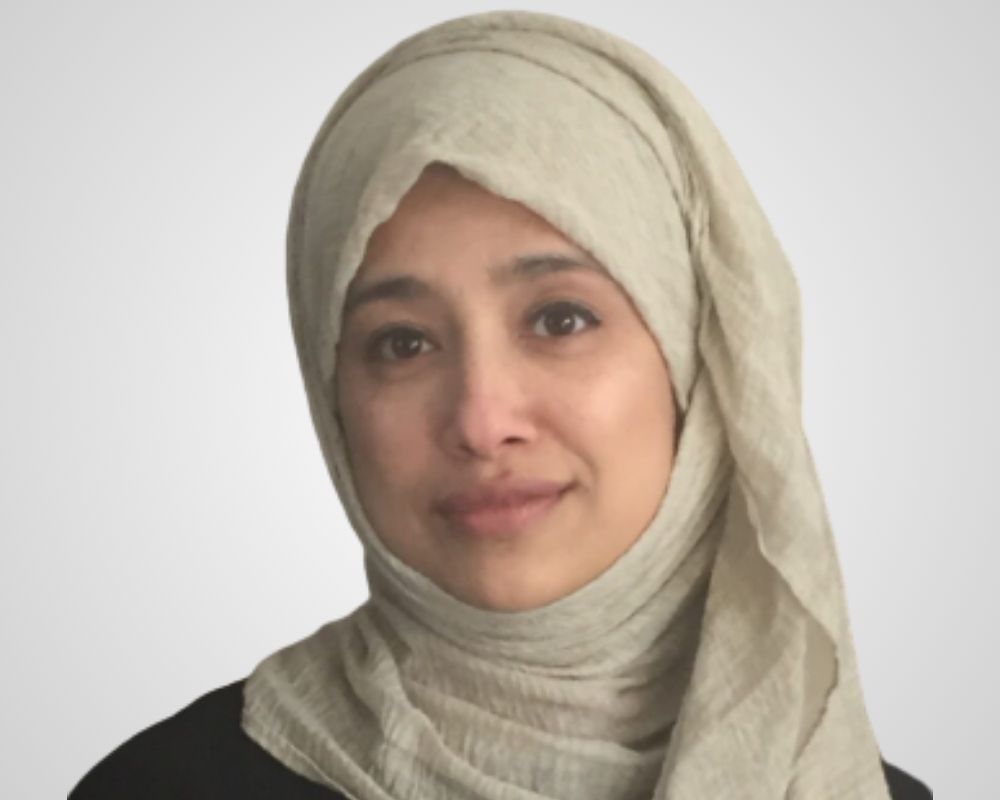
He is principal investigator in numerous randomised controlled trials and leads research packages in global mental health projects. He won the British Psychology Association Award for Best Research Poster twice (2017, 2018).
Dr Jidong extensively publishes in peer-reviewed journals and teaches across Undergraduate, MSc, and ClinPsyD programs at University of Manchester. He is also Visiting Professor at Coal City University, Nigeria, and founder of the annual International African and Caribbean Mental Health Conference (IACMHC).
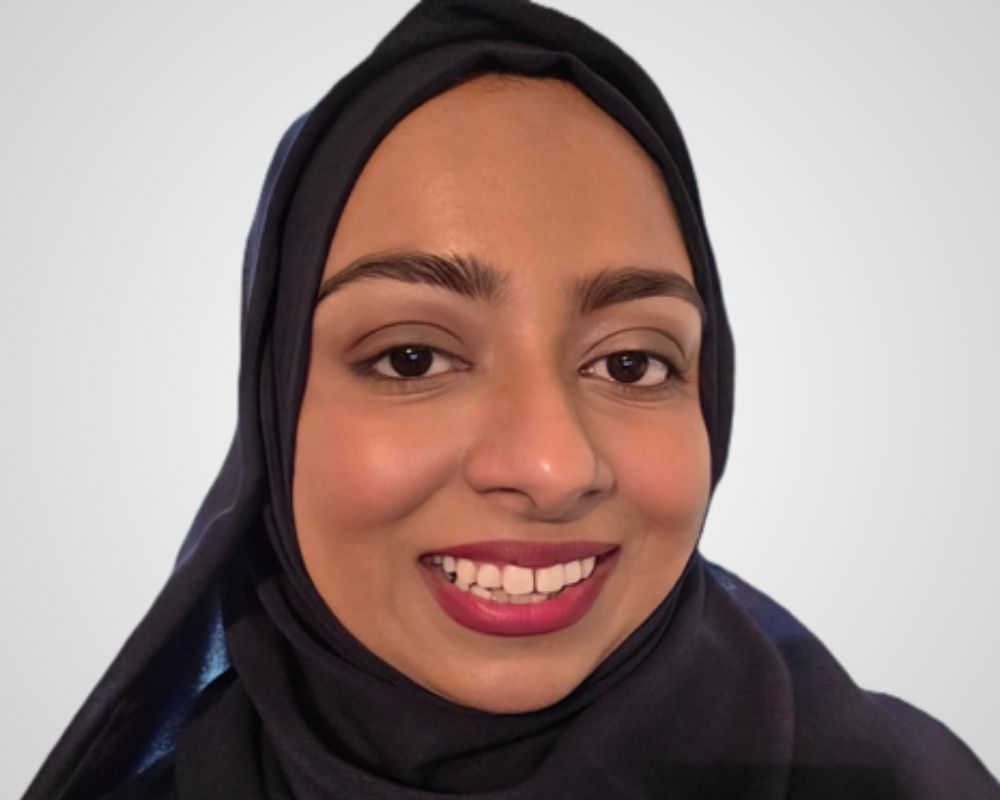
Jahanara Miah
Research Associate
Jahanara Miah is a Research Associate at the University of Manchester with expertise in ethnicity and health, especially within dementia and mental health research. She has led projects...
Jahanara Miah
Research Associate
Role
Research Associate
Affiliation
University of Manchester
Bio
Jahanara Miah is a Research Associate at the University of Manchester with expertise in ethnicity and health, especially within dementia and mental health research. She has led projects such as the SENSE-Cog initiative and has extensive consultancy experience with NICE and other UK health bodies.
She excels at ensuring meaningful involvement and cultural sensitivity in research design.
Selected Publications & Contributions
PPIE Expertise
Cultural adaptation of mental health interventions
Mental health in ethnic minority groups
Co-production and inclusive research design
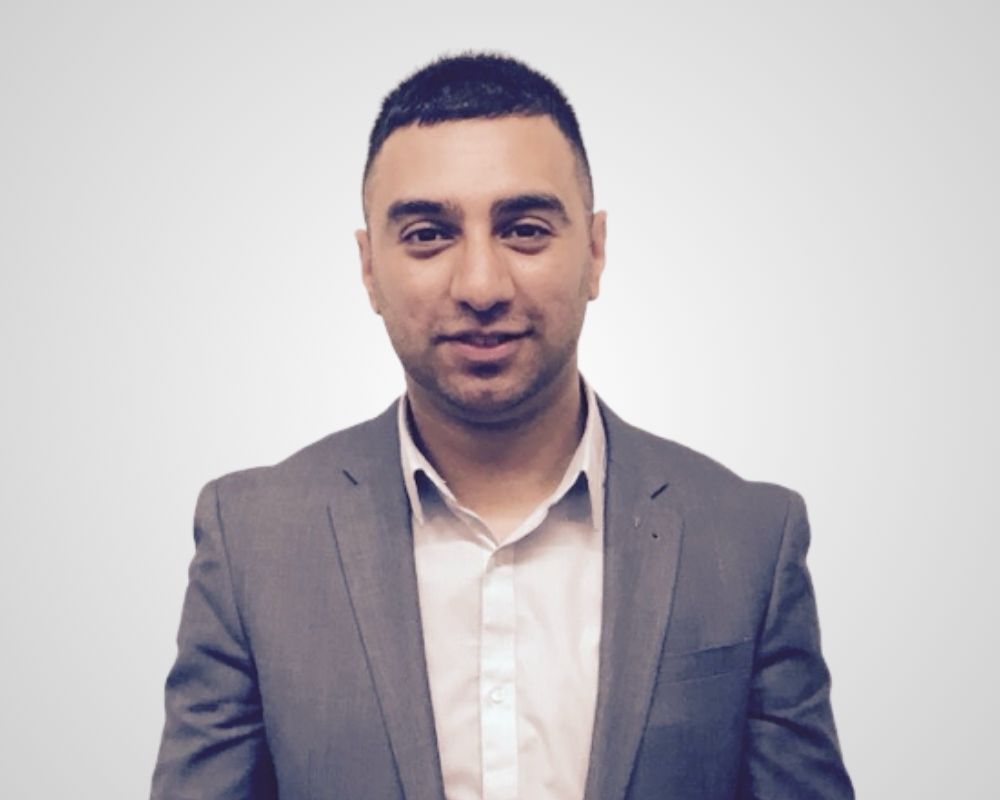
Farah Lunat
Assistant Director
Farah Lunat is a Global Mental Health researcher and Senior Research Manager at Lancashire & South Cumbria NHS Foundation Trust, driving Trust-wide initiatives that embed research...
Farah Lunat
Assistant Director
Selected Publications & Contributions
Podcast: Maternal mental health
BBC Sounds: Postnatal depression & South Asian mums
ROSHNI-2 trial (Lancet, 2024)
Links
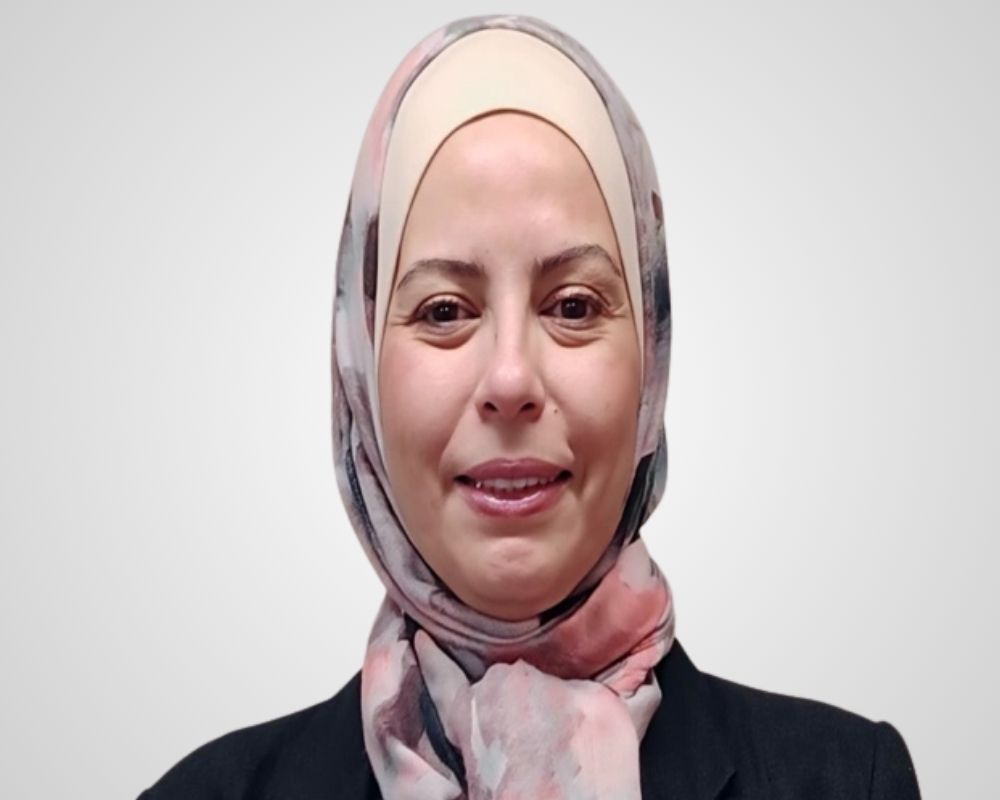
Dr Nadeem Gire
Research Fellow
Dr Nadeem Gire is a Chartered Psychologist and Post-Doctoral Researcher. He is a Trustee of Manchester Global Foundation and a Visiting Research Fellow at the Pakistan Institute of Living and Learning. His research...
Dr Nadeem Gire
Research Fellow
Role
Research Fellow
Affiliation
GMHCP, MGF, University of Greater Manchester, PILL
Bio
Dr Nadeem Gire is a Chartered Psychologist and Post-Doctoral Researcher. He is Trustee of Manchester Global Foundation and Visiting Research Fellow at PILL.
His research focuses on culturally adapted interventions for British South Asians and digital interventions for psychosis.
He completed his NIHR-funded PhD at University of Central Lancashire and is currently Foundation Doctor at East Lancashire NHS.
Selected Publications & Contributions
TechCare Study – BMJ Open (2021)
ROSHNI-2 – The Lancet (2024)
YCMAP – BMJ (2025)
Links
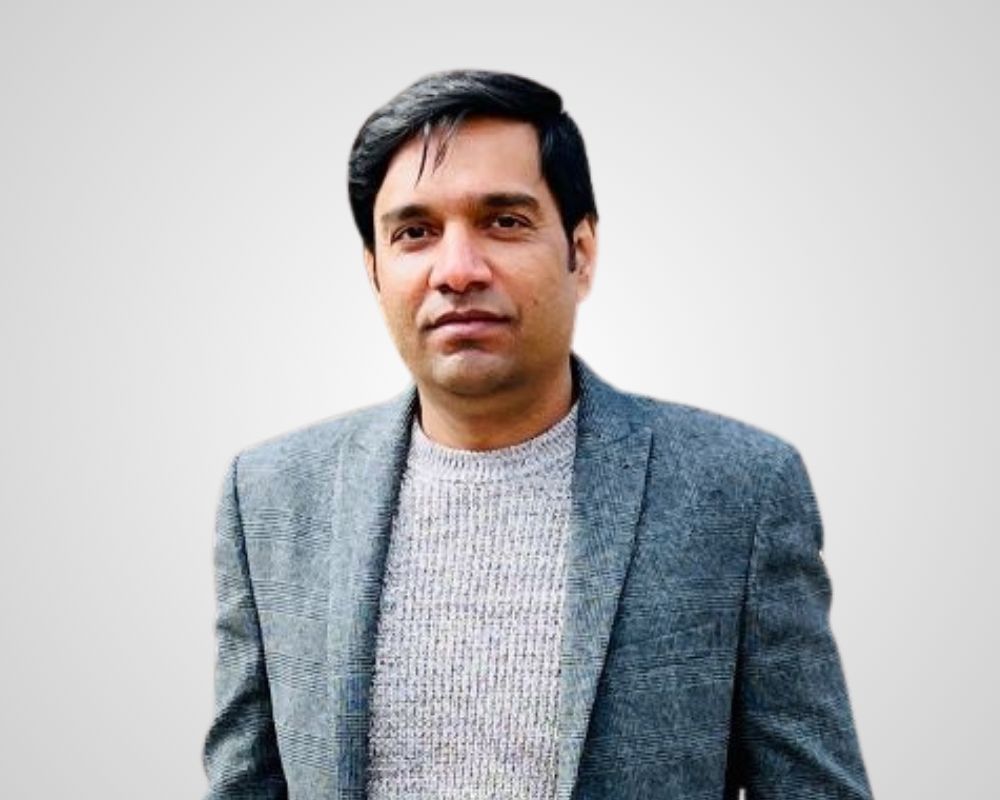
Rima Nserat
Research Coordinator, Arab World
Consultant Biomedical Scientist with over 20 years of experience in Cytopathology and medical sciences. Rima coordinates mental health research and capacity-building initiatives across the Arab world.
Rima Nserat
Research Coordinator, Arab World
Role
Research Coordinator, Arab World
Affiliation
GMHCP, Manchester Global Foundation
Bio
Rima Nserat is a Consultant Biomedical Scientist specialising in Cytopathology with over 20 years of experience in medical laboratory sciences, accreditation, and research. She holds an MSc in Cellular Pathology from the University of Manchester, UK.
She previously served as Head Officer of the Cytopathology Laboratory at Princess Iman Centre for Research and Laboratory Sciences in Jordan. Currently, Rima is a Research Assistant with GMHCP, contributing to protocol development for the Clinical Trials Unit in LMICs and conducting systematic reviews on major depressive disorder. She coordinates research capacity building and mental health initiatives across the Arab world and is an active member of the Global Community Engagement & Involvement Group (CEIG) and the Global Ethics Learning Hub (GELH).
Selected Publications & Contributions
The Sway of Fine Needle Aspiration Cytology in Diagnosing Cervical Lymphadenopathy...
Delving Inside the Enigmatic Central Neurocytoma: Electronic Hospital Database Retrieval...
Parathyroid Gland FNA and PTH Washout: Diagnostic Value...
Links
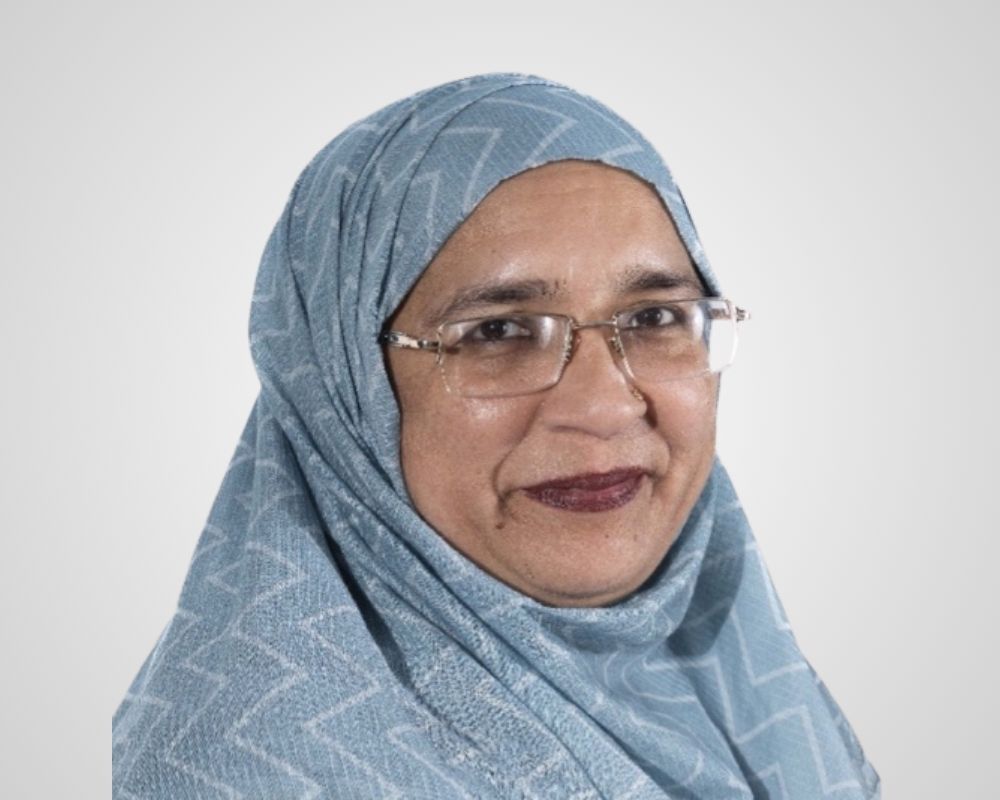
Dileep Kumar
General Manager - Global Research and Communications
Public health researcher with 18+ years of experience leading multidisciplinary global health projects. Dileep focuses on digital mental health, health inequalities, and policy-driven healthcare solutions.
Dileep Kumar
General Manager - Global Research and Communications
Role
General Manager - Global Research and Communications
Affiliation
Manchester Global Foundation
Bio
Dileep Kumar is a dedicated and self-motivated public health researcher with over 18 years of experience spanning academia, development, and the corporate sector. Holding a master’s degree in public health and a bachelor's degree in pharmacy, he was honoured with a fellowship from the Royal Society for Public Health in the UK in recognition of his contributions to public health research and health promotion. He is also a member of the Royal Society of Tropical Medicine and Hygiene UK.
His expertise lies in designing, managing, and leading multidisciplinary projects, particularly in health improvement and mental health. He has successfully overseen multimillion-pound health initiatives, ensuring rigorous project management, ethical compliance, and high-impact outcomes. His work spans the UK, Pakistan, Bangladesh, Nigeria, and Uganda, with a strong focus on public health, digital mental health, health promotion, implementation science, health inequalities, and policy-driven healthcare improvements.
Selected Publications & Contributions
Digital mental health – exploring technology-enabled tools and interventions.
Global health and health equity – addressing disparities in underserved populations.
Implementation science – translating evidence-based interventions into practice.
Nutrition and mental health – examining mental health & diet links.
Culturally adapted health communication – tailored campaigns.
Collaborative public health research – international partnerships.
Links
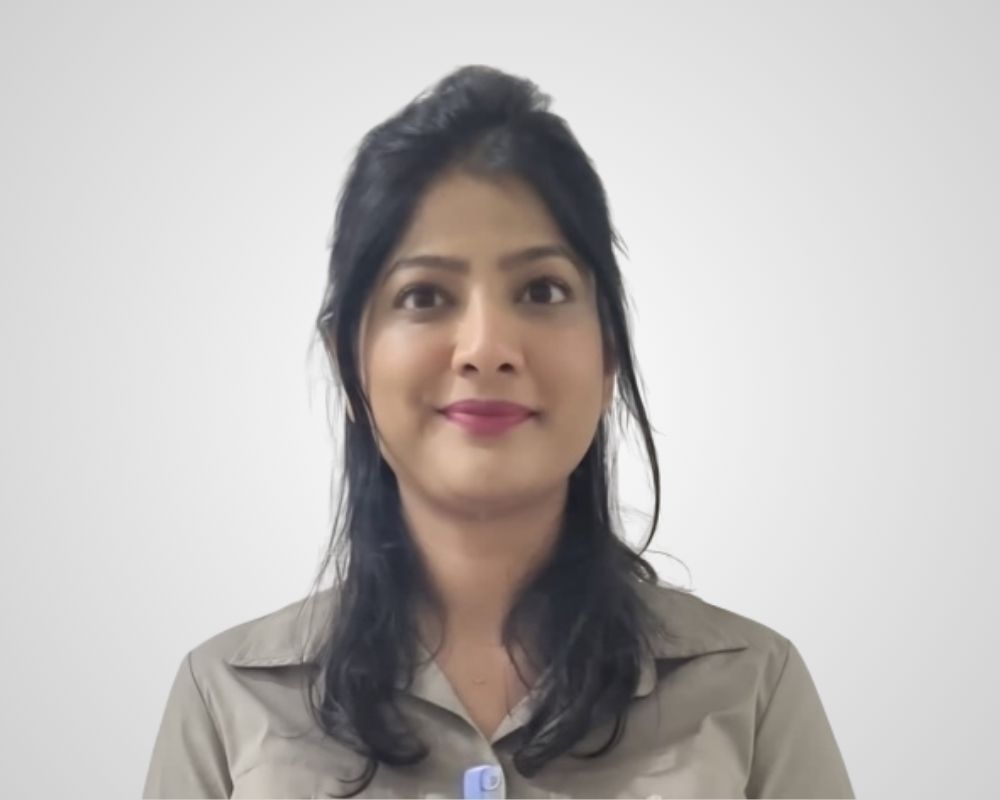
Dr Munazza Obaid
Researcher and Presenter
Medical doctor and public health specialist with teaching and research expertise in public mental health, social prescribing, and community-based wellbeing interventions in the UK and Pakistan.
Dr Munazza Obaid
Researcher and Presenter
Role
Researcher and Presenter
Affiliation
GMHCP, MGF, University of Manchester, University of Lancashire
Bio
Dr Munazza Obaid holds a clinical degree in Medicine (MBBS) and a Master’s in Public Health, with a particular interest in public mental health and social prescribing. She has extensive teaching experience at undergraduate and master’s levels.
Her expertise includes global public health, mental health promotion, social prescribing, and health education.
Selected Publications & Contributions
Arif, M., Husain, N., ... Obaid, M., et al. (2022). Mental Health Awareness Program for medical staff in a Pakistani Prison.
Obaid, M. S., et al. (2023). Perception of COVID among Factory Workers...
Links
Anum Farooq
Early Career Researcher
PhD researcher at the University of Lincoln exploring family wellbeing and autism care within ethnic minority communities. She also founded Islamabad’s first autism centre to promote awareness.
Anum Farooq
Early Career Researcher
Role
Early Career Researcher
Affiliation
GMHCP, University of Lincoln
Bio
Anum Farooq is a PhD candidate researching family wellbeing, social support, and caregiving for autistic children in minority ethnic communities.
She founded the first autism centre in Islamabad, Pakistan, and has strong experience in autism advocacy.
Selected Publications & Contributions
UK House of Lords’ review of the Autism Act (2009)
Khan, N., et al. (2015). Gender differences in stigma among depressive patients.
Farooq, A., & Ahmed, S. (2020). Sociocultural Barriers to Early Diagnosis of Autism...
Links
Khalifa Fofana
Research Coordinator & Outreach Officer
Research coordinator leading global conferences and PPIE initiatives for African and Caribbean communities. Khalifa bridges academic research with impactful community engagement and outreach.
Khalifa Fofana
Research Coordinator & Outreach Officer

Role
Research Coordinator & Outreach Officer
Affiliation
GMHCP, Manchester Global Foundation, Ethnic Health Forum, PILL
Bio
Khalifa Fofana coordinates global mental health conferences and leads PPIE strategies for African and Caribbean communities.
He also designs professional research dissemination materials including flyers, banners, and abstracts.
Selected Publications & Contributions
Lead coordinator for GMHCP conferences
PPIE strategy development
Project management software training for PILL team
Anannya Rohatgi
Research Assistant
Psychologist with experience across the UK and India. Her research focuses on global mental health, neurodevelopmental conditions, and improving access to culturally sensitive mental health care.
Anannya Rohatgi
Research Assistant

Role
Research Assistant
Affiliation
University of Manchester, Manchester Global Foundation
Bio
Anannya Rohatgi is a psychologist with clinical and research experience across the UK and India. She holds an MSc in Clinical & Health Psychology from the University of Manchester.
Selected Publications & Contributions
Key Interest: Global mental health
Key Interest: Neurodevelopmental conditions
Key Interest: Cultural mental health services
Links
John Jidong
Research Technologist
Early-career researcher with a sociology and public health background. John focuses on culturally adapted psychological interventions and public mental health across African and diaspora communities.
John Jidong
Research Technologist
Role
Research Technologist
Affiliation
IH PILL
Bio
John Jidong is an early-career researcher and MSc Public Health candidate with expertise in medical sociology and psychological interventions.
Selected Publications & Contributions
Jidong, D. E., et al. (2025). LTP+ CaCBT for treating postnatal depression...
Randomised controlled feasibility trial for bipolar disorders...
Postnatal depression in British African & Caribbean mothers...
Links
Dr. Atta Asif
Research Scientist
Dr. Asif holds a PhD in Statistics and has extensive experience in managing, analysing, and interpreting large and complex datasets for global health research.
Dr. Atta Asif
Research Scientist

Role
Methodology and Statistics Expert
Affiliation
Manchester Global Foundation (MGF)
Ethnic Health Forum (EHF)
Global Mental Health and Cultural Psychiatry (GMHCP)
Bio
Dr. Asif holds a PhD in Statistics and has extensive experience in managing, analysing, and interpreting large and complex datasets for global health research. His work focuses on understanding and quantifying inequalities in child and mental health, with particular emphasis on the role of maternal factors, empowerment, and social determinants in shaping health outcomes.
Dr. Asif is a core member of the team working primarily within the methodology and statistics section. His responsibilities include developing statistical analysis plans (SAPs), conducting sample size and power calculations, and leading data management and quantitative analysis across multiple international projects. He plays a central role in designing robust methodological components for funding applications and applied research studies.
In addition, Dr. Asif has experience conducting systematic reviews, with a focus on research methodology and trial design in mental health, contributing to evidence synthesis and methodological rigour. He is overseeing project coordination, team management, and strategic development, while actively supporting capacity building, reporting, and dissemination of research findings to inform policy and practice.
Selected Publications & Contributions
Jidong DE, Husain MI, Ike TJ, et al. A randomised controlled feasibility trial comparing culturally adapted psychoeducation and treatment as usual for persons with bipolar disorders in Nigeria. BJPsych Open. 2025;11(4):e133.
Gire N, Asif A, Husain N. Longitudinal Trend Evaluation and Prescription Cost Analysis (PCA) of Clozapine in the United Kingdom. BJPsych Open. 2024;10(S1):S37-S37. doi:10.1192/bjo.2024.150.
Akbar, M., Asif, A. M., & Hussain, F. (2022). Does maternal empowerment improve dietary diversity of children? Evidence from Pakistan demographic and health survey 2017–18. The International Journal of Health Planning and Management, 37(6), 3297-3311.
Asif, A. M., & Akbar, M. (2023). A non-linear decomposition analysis of children’s dietary diversity scores: explaining rural-urban inequality. Quality & Quantity, 57(4), 3273-3284.
Balogun, O. S., Asif, A. M., Akbar, M., Chesneau, C., & Jamal, F. (2021). Prevalence and Potential Determinants of Aggregate Anthropometric Failure among Pakistani Children: Findings from a Community Health Survey. Children, 8(11), 1010.
Asif, A. M., & Akbar, M. (2021). On the decomposition of rank-dependent indicator of socio-economic inequalities in child malnutrition: Some empirical findings. Socio-Economic Planning Sciences, 77, 101025.
Asif, A. M., & Akbar, M. (2020). Inequalities in child health care in Pakistan: measurement and decomposition analysis of maternal educational impact. Public Health, 183, 94-101.
Asif, A. M., & Akbar, M. (2020). Decomposing socio‐economic inequality in vaccination coverage among Pakistani children: A population‐based cross‐sectional study. Health & Social Care in the Community, 30(2), 602-611.
Asif, M. A., Akbar, M., Noor, F., Sherwani, R. A. K., & Farooq, M. (2019). The interrelationships of child under-nutrition, ecological and maternal factors: A case study of Pakistan by using composite index of anthropometric failure. Applied Ecology and Environmental Research, 17(6), 13035-13055.
Asif, A. M., Akbar, M., Tahir, M. R., & Arshad, I. A. (2019). Role of maternal education and vaccination coverage: evidence from Pakistan demographic and health survey. Asia Pacific Journal of Public Health, 31(8), 679-688.
Asif, A. M., Tahir, M. R., & Arshad, I. A. (2018). Socioeconomic condition and prevalence of malaria fever in Pakistani children: findings from a Community Health Survey. Journal of Tropical Pediatrics, 64(3), 189-194.
Asif, A. M., Arshad, I. A., & Ali, N. (2015). A statistical analysis of factors affecting the women employment in Pakistan. Science International, 27(1), 791-794.
Dr Tarela Ike
Senior Lecturer
Dr Tarela Ike, is a multiple award-winning Senior Lecturer with interest in addressing social inequalities, including the design and cultural adaptation of public health and psychosocial interventions.
Dr Tarela Ike
Senior Lecturer

Bio
Dr Tarela Ike, is a multiple award-winning Senior Lecturer with interest in addressing social inequalities, including the design and cultural adaptation of public health and psychosocial interventions. Tarela also have expertise in research methods and actively leads/ engage in conducting evidence-based research/ synthesis including systematic reviews, randomised controlled trials, qualitative, quantitative and mixed method research in high- including low- and middle-income countries
Nabila Tarannum Khan
Global Research Assistant
Nabila Tarannum Khan (M.Sc., M.S., M.Phil.) is a PhD Research Fellow at the University of Manchester, specializing in culturally adapted interventions for South Asian populations with substance use disorders.
Nabila Tarannum Khan
Global Research Assistant
Role
Global Research Assistant
Affiliation
GMHCP, PILL, IHPILL, University of Manchester, BCPS (G-11002)
Bio
Nabila Tarannum Khan (M.Sc., M.S., M.Phil.) is a PhD Research Fellow at the University of Manchester, specializing in culturally adapted interventions for South Asian populations with substance use disorders.
With over 20 years of clinical experience, Nabila is an expert in Cognitive Behavioural Therapy (CBT), Interpersonal Therapy (IPT), and the 12-step rehabilitation model. Her diverse background includes serving as a Consultant for the Global Mental Health Lab at Columbia University and holding leadership roles with GIZ and The Cabin Addiction Services Group.
Nabila has played a pivotal role in humanitarian efforts, particularly during the Rohingya refugee crisis in Cox’s Bazar. She has provided strategic planning, supervision, and direct care to displaced individuals from Myanmar, Sri Lanka, Iraq, and Syria. Currently, she focuses on mental health research and promoting culturally sensitive support for marginalized communities.
Selected Publications & Contributions
Khan, N. T. (2025). Neuropsychological rehabilitation of patients with head injury (Doctoral dissertation, © University of Dhaka).
Khan, N. T. (2022). Cognitive Behavioral Therapy in Bangladesh. In Cognitive Behavioral Therapy in a Global Context (pp. 63-84). Cham: Springer International Publishing.
Elshazly, M., Budosan, B., Alam, A. M., Khan, N. T., & Ventevogel, P. (2019). Challenges and opportunities for Rohingya mental health and psychosocial support programming. Intervention Journal of Mental Health and Psychosocial Support in Conflict Affected Areas, 17(2), 197-205.
Khan, N., & Rahman, M. (n.d.). Neuropsychological Rehabilitation of adult head injured patient [Review of Neuropsychological Rehabilitation of adult head injured patient]. Journal of Brain and Neurology.
Links
LinkedIn
nabila.khan@manchester.ac.uk
nabila.tarannum@ihpill.ae
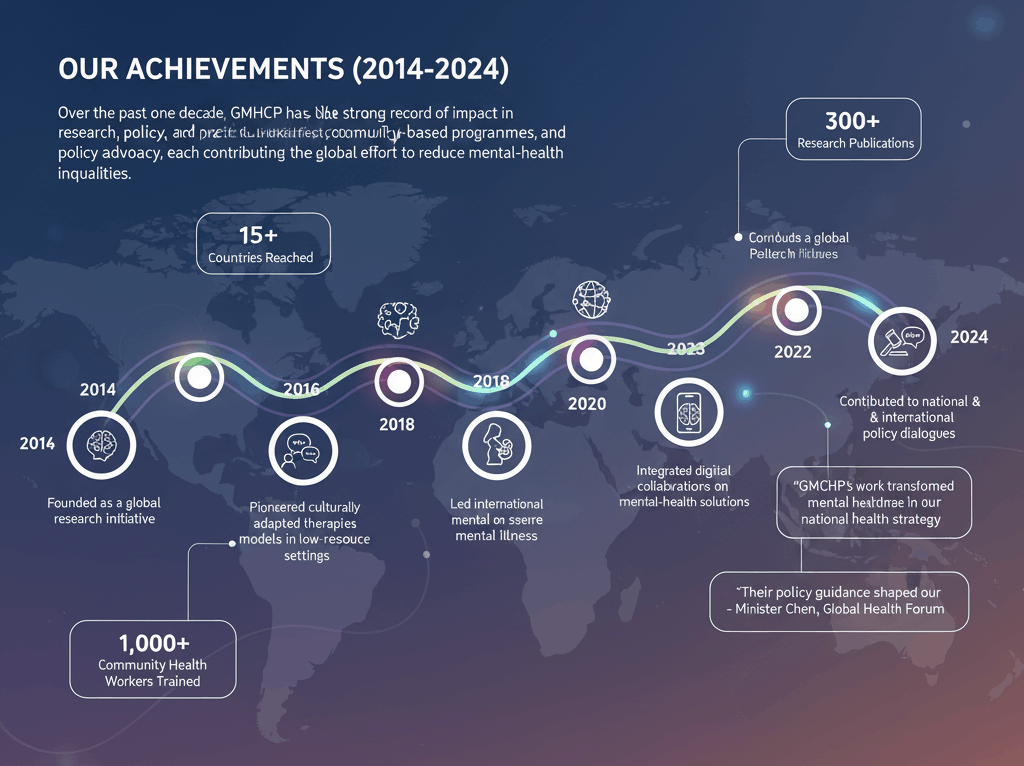
Our Achievements
Over the past one decade, GMHCP has built a strong record of impact in research, policy, and practice. Our work spans clinical trials, community-based programmes, and policy advocacy, each contributing to the global effort to reduce mental-health inequalities.
- Pioneered culturally adapted psychological therapies for depression and self-harm prevention in Pakistan.
- Developed scalable models for perinatal and women’s mental health in low-resource settings.
- Led international collaborations addressing severe mental illness, psychosis, and substance-use disorders.
- Integrated digital and AI-based mental-health solutions for community and clinical settings.
- Contributed to national and international policy dialogues on global mental health and ethics in research.