Status: Current Projects
Location: Pakistan
Division: Mood Disorders
Themes:
- Digital Mental Health & Digital Therapeutics
- Implementation Science & Health Systems
- Evidence Synthesis & Guideline Development
Summary: A project in Pakistan, part of SAHAR-M, to culturally adapt the WHO’s mhGAP-IG guidelines for depression and self-harm into a user-friendly, Urdu-language android app (e-mhGAP-IG) for GPs, co-designed via focus groups.
Description: The Problem: The WHO’s Mental Health Gap Action Programme Intervention Guide (mhGAP-IG) is a key tool for enabling non-specialists to manage mental health conditions, but its effectiveness relies on cultural and linguistic adaptation for local contexts like primary care in Pakistan.
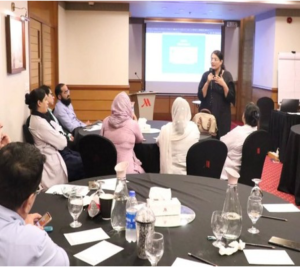
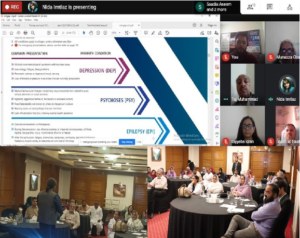
The Intervention: As part of The South Asia Self-Harm Reduction Movement (SAHAR-M), this project focused on contextualising the mhGAP-IG modules for depression and self-harm/suicide for Pakistani General Practitioners (GPs). Six focus group discussions were conducted with GPs across different areas to gather feedback and co-design adaptations. This led to the development of an android-based app (e-mhGAP-IG) in the Urdu language.
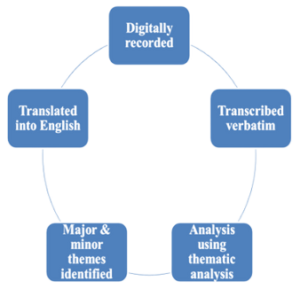
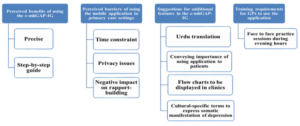
Key Findings & Impact: Thematic analysis of GP feedback highlighted perceived benefits (precise, step-by-step guidance) and barriers (time constraints, privacy issues, negative impact on rapport-building). Suggestions included adding flow charts, culturally specific terms for somatic symptoms, and clear guidance on conveying the app’s importance to patients. Training requirements were also identified. This vital implementation work resulted in a country-specific digital tool designed to optimize usability for Pakistani GPs, equipping them to better identify and manage common mental health problems at the community level.
Key Publications:
- Contextualisation of the World Health Organization’s Mental Health Gap Action Programme Intervention Guide for depression and self-harm in Pakistan: protocol for a qualitative study (Link: https://doi.org/10.1136/bmjopen-2021-057008)